Laxman Hake Criticizes Bombay High Court’s Rejection of Petition on Hyderabad Gazetteer GR
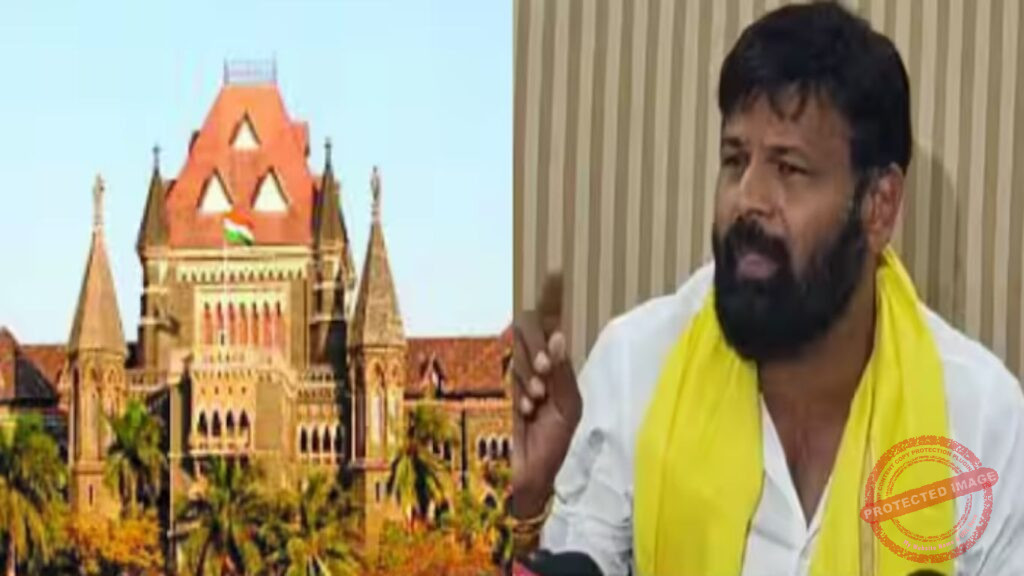
OBC activist Laxman Hake expresses strong opposition to the Bombay High Court’s dismissal of a petition challenging the September 2 Government Resolution based on the Hyderabad Gazetteer, warning of potential legal actions and political mobilization.
OBC activist Laxman Hake has strongly criticized the Bombay High Court’s recent decision to reject a petition challenging the Maharashtra government’s September 2 Government Resolution (GR), which utilizes the Hyderabad Gazetteer to grant Kunbi caste certificates to Marathas. The GR aims to provide reservation benefits to Marathas under the Other Backward Class (OBC) category, a move that has sparked significant controversy and opposition from various quarters.
Hake contends that the GR is unconstitutional and undermines the rights of the OBC community by facilitating the inclusion of Marathas into the OBC category without adequate scrutiny. He argues that the GR’s reliance on historical records from the Hyderabad Gazetteer, which Hake claims are outdated and not reflective of current socio-economic realities, is a flawed basis for determining OBC status. Hake further criticizes the GR for its vague language, particularly the use of the term “relatives” instead of specifying “blood relatives,” which he believes could lead to misuse and dilution of OBC reservations.
In response to the court’s dismissal of the petition, Hake has announced plans to intensify his opposition through legal and political means. He is considering filing a Special Leave Petition (SLP) in the Supreme Court to challenge the GR’s validity and prevent its implementation. Additionally, Hake warns of potential mass mobilizations and protests if the government proceeds with the GR, asserting that such actions would be detrimental to the interests of the OBC community.
The controversy surrounding the GR has led to a division within the OBC community. While some leaders, like Babanrao Taywade, maintain that the GR will not adversely affect OBC reservations, others, including Hake and lawyer Mangesh Sasane, argue that the GR’s provisions could lead to the encroachment of Marathas into the OBC quota, thereby reducing opportunities for the actual OBC communities in education, employment, and politics.
The Maharashtra government’s decision to issue the GR has also faced criticism from political figures. OBC leaders have accused Maratha leaders in both the ruling and opposition parties of pushing their agenda through activist Manoj Jarange Patil, who has been at the forefront of the Maratha reservation movement. Hake has publicly torn a copy of the GR in protest, labeling the government’s move as unconstitutional and illegal.
As the legal and political battle over the GR continues, the outcome remains uncertain. The issue has highlighted the complex interplay between caste-based reservations, historical records, and contemporary socio-political dynamics in Maharashtra. The resolution of this dispute will have significant implications for the state’s reservation policies and the rights of various communities.
Follow us On Our Social media Handles :
Instagram
Youtube
Facebook
Twitter
Also Read- Pune