PMC Halts Cement Concreting of Narrow Lanes, Orders Asphalt Works for Roads Below 12 Metres
PMC Naval Kishore Ram has directed that roads narrower than 12 metres will no longer be cement-concreted. The civic body will prioritise asphalt surfacing to reduce frequent waterlogging in city lanes.
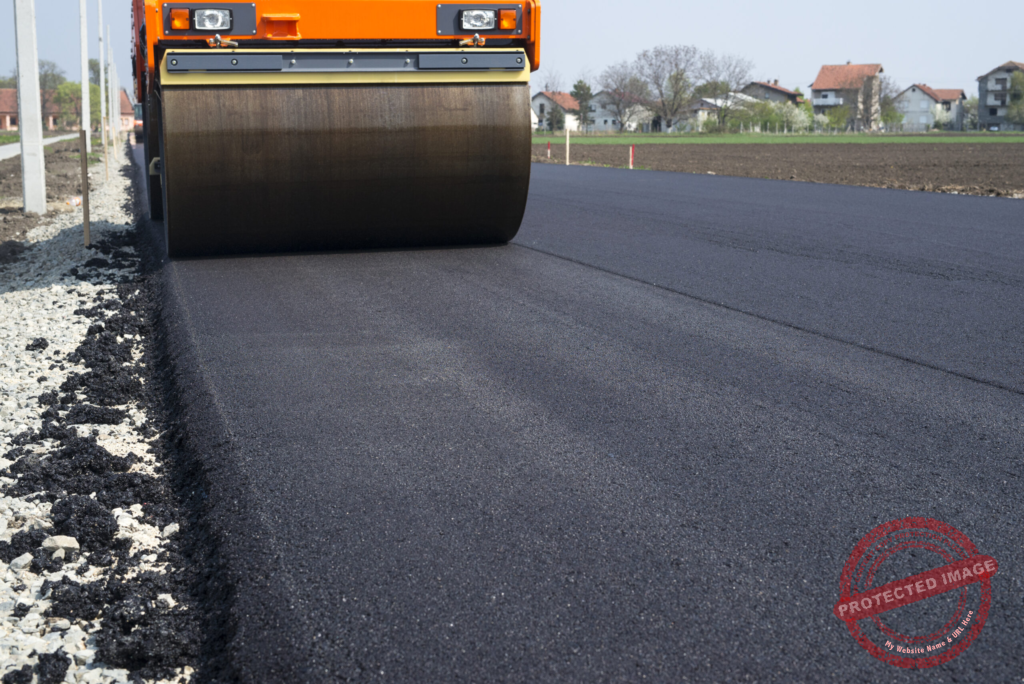
April 3, 2026 | Pune: In a major shift aimed at tackling Pune’s recurring waterlogging problem, the Pune Municipal Corporation (PMC) has decided to stop cement concreting work in narrow lanes and bylanes across the city. Municipal Commissioner Naval Kishore Ram has issued clear instructions that roads with a width of less than 12 metres will not be converted into cement concrete roads in the future. The decision comes amid rising complaints from citizens about rainwater accumulation in internal lanes, especially in low-lying areas. Over the past few years, Pune has witnessed instances where even short spells of rainfall have resulted in flooding-like conditions, affecting residential societies, parking spaces and commercial establishments.
According to civic officials, Pune has nearly 900 kilometres of narrow roads ranging between 6 to 12 metres in width. Many of these internal roads lack proper stormwater drains, drainage pipelines, or basic underground service ducts. During heavy rain, such stretches often turn into temporary streams, leading to water entering houses and basements. Officials said that in several locations, cement concreting has worsened the issue as the rigid surface blocks natural seepage and prevents smooth water flow. The problem becomes severe in areas where stormwater lines have not been developed, making water drainage almost impossible during intense rainfall.

Following this assessment, the commissioner has instructed the civic administration to prioritise asphalt surfacing for roads up to 7.5 metres wide, as it is considered more suitable for internal lanes. The Road Department has been asked to issue written orders to implement the new policy immediately. In addition, the civic body has made it mandatory that roads wider than 12 metres must have completed drainage and stormwater line work before any road surfacing begins. The administration believes that this step will prevent repeated digging and reduce long-term waterlogging issues. Civic authorities claim the new approach will improve rainwater management, lower flooding complaints, and ensure better road durability during monsoons, especially in densely populated neighbourhoods.
Follow us On Our Social media Handles :
Instagram
Youtube
Facebook
Twitter
Also Read- Pune