RBI Caps Loans Against Shares at ₹1 Crore; New Norms Deferred to July 1, 2026
RBI
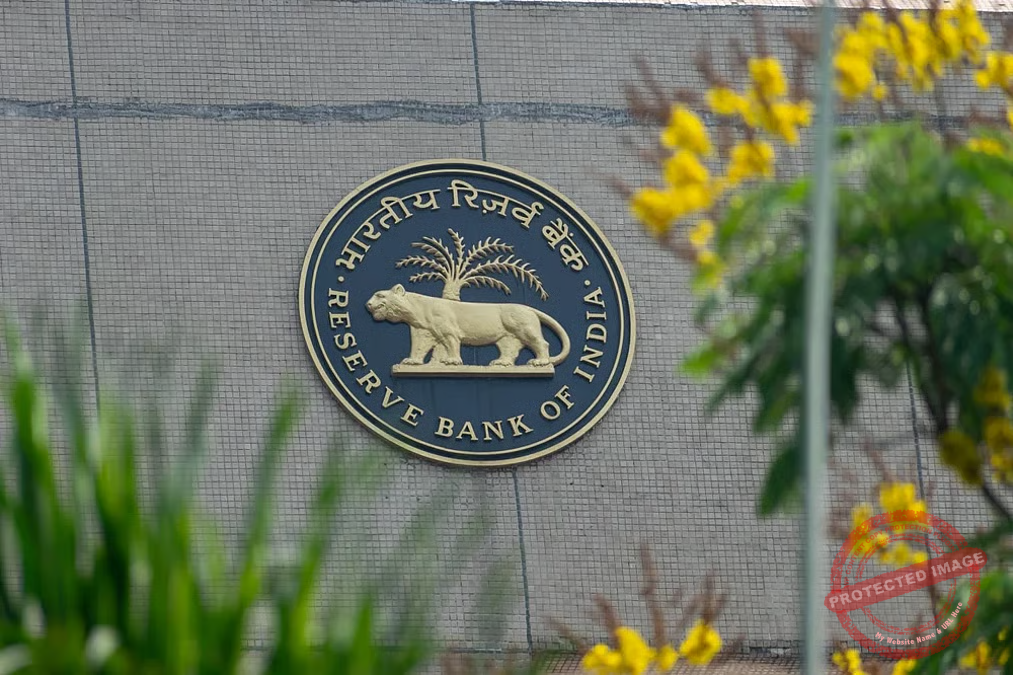
The Reserve Bank of India has capped loans against shares at ₹1 crore per borrower, with revised norms now set to take effect from July 1, 2026, instead of April 1.
Mumbai | April 1, 2026: The Reserve Bank of India (RBI) has introduced revised guidelines capping loans against shares and other securities at ₹1 crore per individual borrower, in a move aimed at curbing excessive exposure to capital market risks. The implementation of these norms, initially scheduled for April 1, has now been deferred to July 1, 2026.
The central bank’s decision comes amid growing concerns over volatility in equity markets and the need to strengthen safeguards within the banking system. By imposing a uniform cap across the banking sector, the RBI aims to ensure that individual investors do not take on disproportionate leverage using shares as collateral.
Under the revised framework, the ₹1 crore limit will apply collectively across all banks. This means borrowers cannot exceed the cap by availing loans from multiple lenders against their equity holdings or other approved securities. The move is expected to bring greater discipline and transparency to lending practices linked to market instruments.

In addition, the RBI has specified a separate limit for loans taken to invest in primary market offerings. Individuals will be eligible to borrow up to ₹25 lakh for subscribing to Initial Public Offerings (IPOs), Follow-on Public Offerings (FPOs), or shares issued under Employee Stock Ownership Plans (ESOPs). This limit, too, will be calculated on an aggregate basis across the banking system.
The revised guidelines also extend to financing for mergers and acquisitions (M&A). The RBI has clarified that acquisition financing will be permitted only for the purpose of acquiring control in non-financial companies. Further, such funding must adhere to strict conditions, including the requirement that the acquiring entity establishes control over the target company.
In cases where the acquiring entity operates as a holding or parent company with multiple subsidiaries, the eligibility criteria for acquisition finance will be assessed on a consolidated basis. The guidelines also mandate that funds raised through acquisition financing should not be diverted for purposes such as repaying existing loans unrelated to the acquisition.

Additionally, where acquisition funding is extended to a subsidiary, the parent or acquiring company will be required to provide a corporate guarantee, ensuring accountability and reducing credit risk for lenders.
The RBI’s updated norms are designed to create a structured and risk-sensitive framework for banks, particularly in areas where lending is closely tied to market fluctuations. By tightening exposure limits and clarifying end-use conditions, the central bank aims to prevent speculative borrowing and enhance financial stability.
Market participants believe the deferral of the implementation date provides banks and borrowers additional time to align with the new requirements. Financial institutions are expected to recalibrate their lending policies, while investors may need to reassess their leverage strategies in equity markets.
The move is part of the RBI’s broader effort to strengthen regulatory oversight in the financial sector, especially at a time when retail participation in stock markets continues to rise significantly.
Follow us On Our Social media Handles :
Instagram
Youtube
Facebook
Twitter
Also Read- Pune