Rice Prices Surge Across India as Production Falls in Punjab, Haryana
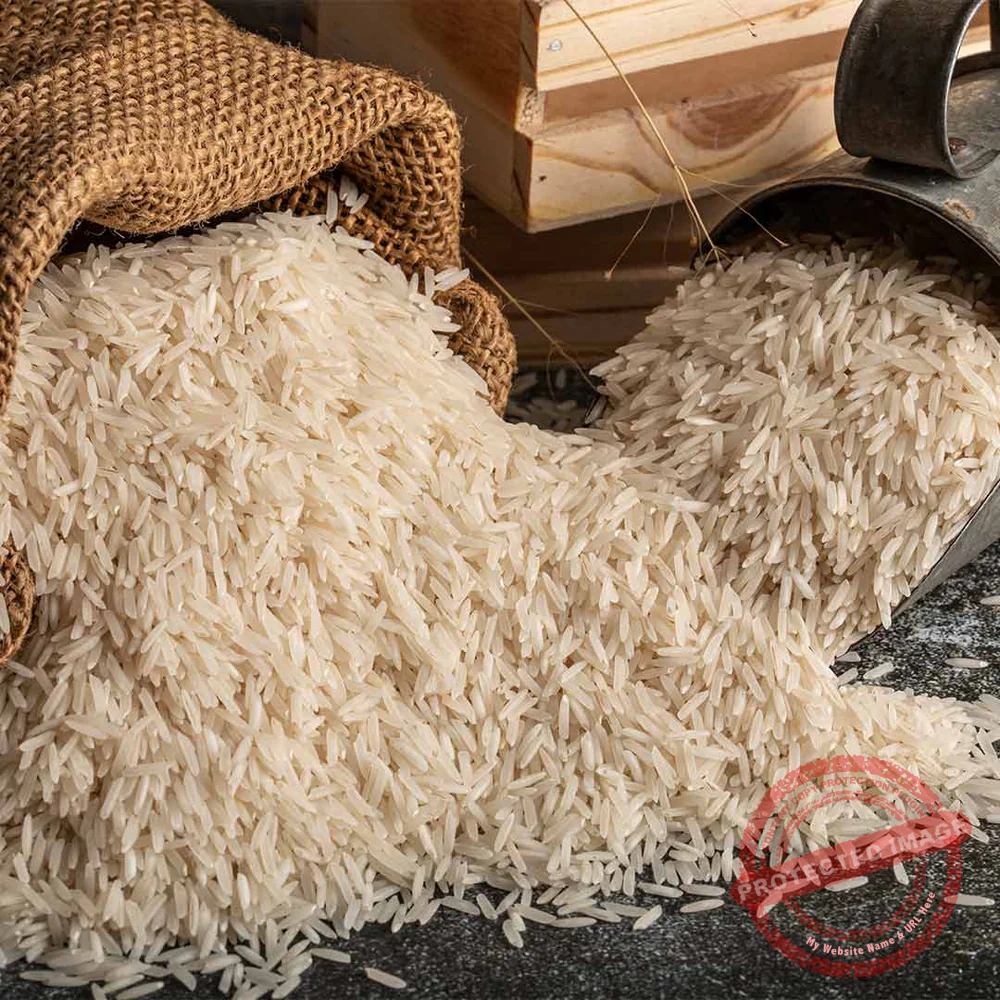
Rice Prices
Prices of basmati and other popular rice varieties have risen sharply by up to 27.5% over six months, driven by lower production and strong export demand.
Navi Mumbai | 10 April, 2026: Rice prices across India have witnessed a significant surge over the past six months, with basmati and several other commonly consumed varieties becoming notably more expensive due to reduced production in key agricultural states.
The price rise has been primarily attributed to lower output in Punjab and Haryana, both of which are major contributors to India’s rice supply. As a result, wholesale and retail markets have recorded a sharp increase in rates, affecting both traders and consumers.
In wholesale markets, basmati rice prices have climbed from around ₹32 per kg to as high as ₹100 per kg, while retail prices have surged further, reaching between ₹120 and ₹200 per kg. The upward trend has not been limited to basmati alone. Other popular varieties such as Tibar, Mogra, Kolam, Indrayani, and Parimal have also seen price increases ranging from 1.5% to as much as 27.5% per quintal.
Market data from the period between November 5, 2025, and April 1, 2026, indicates that the steepest rise has been recorded in basmati, Tibar, and Kolam varieties. Traders note that this sharp escalation reflects both supply constraints and sustained demand, especially in export markets.
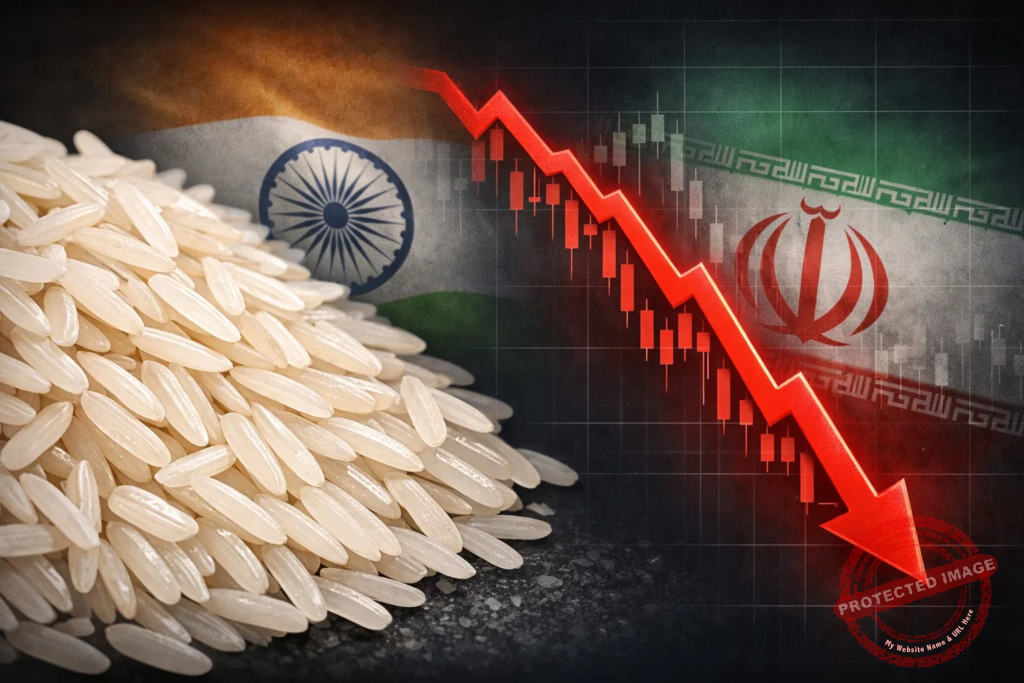
India’s basmati rice continues to enjoy strong demand globally, particularly in countries such as Iran and across Gulf nations, where it remains a staple import. Robust export demand has further tightened domestic availability, contributing to the price rise.
At the Mumbai APMC, one of the country’s крупнейшие agricultural trading hubs, around 50 varieties of rice are regularly traded. Of these, approximately 25 varieties have recorded noticeable price fluctuations in recent months. Traders report that daily arrivals of basmati rice from northern states average around 150 tonnes, though supply has shown signs of inconsistency.
Historical price trends also highlight the recent spike. In June 2022, basmati rice was priced between ₹85 and ₹90 per kg. The current range of ₹95 to ₹100 per kg in wholesale markets reflects a steady upward trajectory, now further accelerated by supply disruptions.
Industry experts warn that if production levels do not stabilise in the upcoming season, prices may remain elevated or even rise further. Consumers, especially in urban areas, are likely to feel the pinch as staple food costs continue to climb.
The rise in rice prices underscores the vulnerability of agricultural commodities to regional production shifts and global demand dynamics. With both domestic consumption and exports placing pressure on supply, the coming months will be crucial in determining price stability.
Follow us On Our Social media Handles :
Instagram
Youtube
Facebook
Twitter
Also Read- Pune