Sanjiv Bajaj’s Plea Rejected: Supreme Court Upholds Bombay High Court Order in Bajaj Life Employment Dispute
Supreme Court Upholds Bombay HC Order in Bajaj Finserv Employment Case
Supreme Court upholds Bombay High Court order in Bajaj Life employment dispute, declines Sanjiv Bajaj’s plea to be removed from proceedings, reinforcing corporate accountability.
Tikam Shekhawat
Delhi | February 26, 2026:
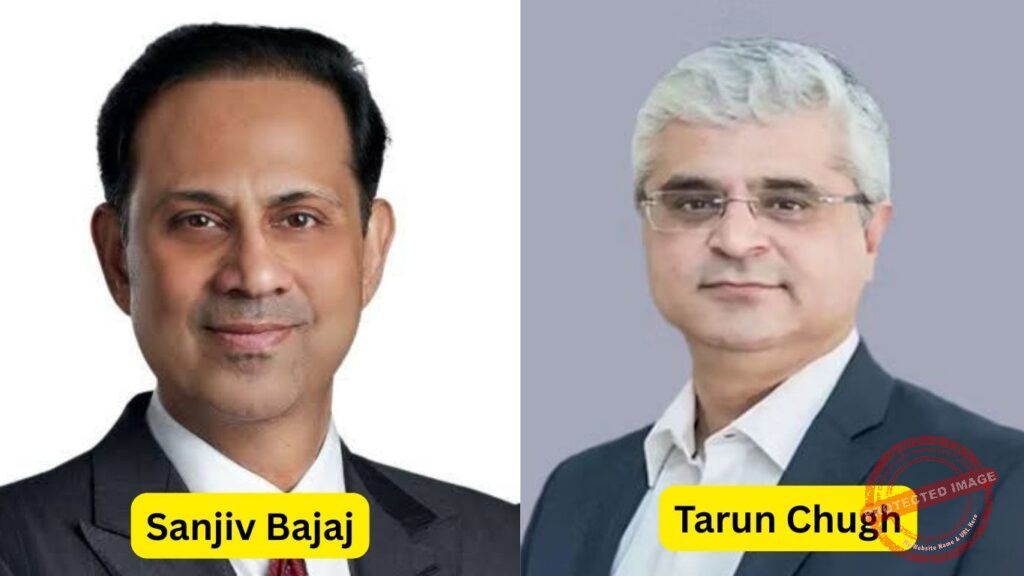
In a recent ruling that could influence corporate employment litigation nationwide, the Supreme Court of India has upheld an order of the Bombay High Court in the ongoing employment dispute involving Anjali Patil and Bajaj Allianz Life Insurance. The apex court declined to entertain a plea seeking removal of Sanjiv Bajaj from the array of parties, reinforcing that senior corporate office-bearers cannot automatically distance themselves from proceedings linked to alleged wrongful termination.

The dispute traces back to a writ petition before the Bombay High Court, where the former executive challenged her termination and questioned the legality of internal corporate actions that led to her exit. She has also alleged the role of Tarun Chugh (MD, Bajaj Allianz Life Insurance) and CHRO Santanu Banerjee in connection with her termination. During the proceedings, objections were raised regarding the inclusion of top leadership figures as respondents in the case, prompting further legal escalation.
Sanjiv Bajaj’s Supreme Court Plea Rejected
At a subsequent stage, Sanjiv Bajaj approached the Supreme Court through a Special Leave Petition seeking deletion of his name from the matter. The plea argued that, as Chairman and a member of the Board, he should not be personally impleaded in an employment dispute concerning termination, contending that such matters rest with the corporate entity rather than individual directors.

The Supreme Court, however, refused to interfere with the High Court’s decision. The court effectively held that where allegations pertain to decisions taken at the highest levels of corporate management, directors and chairpersons cannot seek automatic exemption merely on the basis of designation.
The ruling affirms the principle that:
• Board members and chairpersons may remain parties in cases where their roles are connected to disputed employment decisions.
• Corporate governance responsibilities can attract legal scrutiny when termination or contractual rights are contested.
Why the Ruling Matters
Legal observers suggest the judgment may become an important precedent in employment and corporate litigation
Key implications include:
• Senior management cannot claim immunity solely due to hierarchical position when their involvement in contested decisions is alleged.
• The decision clarifies procedural aspects relating to the impleadment of directors in civil and industrial disputes.
• It strengthens the position of employees seeking adjudication against both corporate entities and responsible office-bearers.
The ruling is seen as part of a broader judicial trend emphasizing accountability at the boardroom level in disputes involving contractual and labour rights.
Ongoing Proceedings
The substantive issues relating to the alleged illegal termination will continue before the appropriate trial forums, including sessions and industrial dispute proceedings. The courts will now examine the merits of the termination claim and the associated reliefs sought by the petitioner.
Legal experts anticipate that the Supreme Court’s decision will be cited in future cases where corporate leaders seek to have their names removed from employment-related litigation.
Follow us On Our Social media Handles :
Instagram
Youtube
Facebook
Twitter
Also Read- Pune