Supreme Court Declines Plea for Mandatory Menstrual Leave, Flags Possible Impact on Women’s Employment
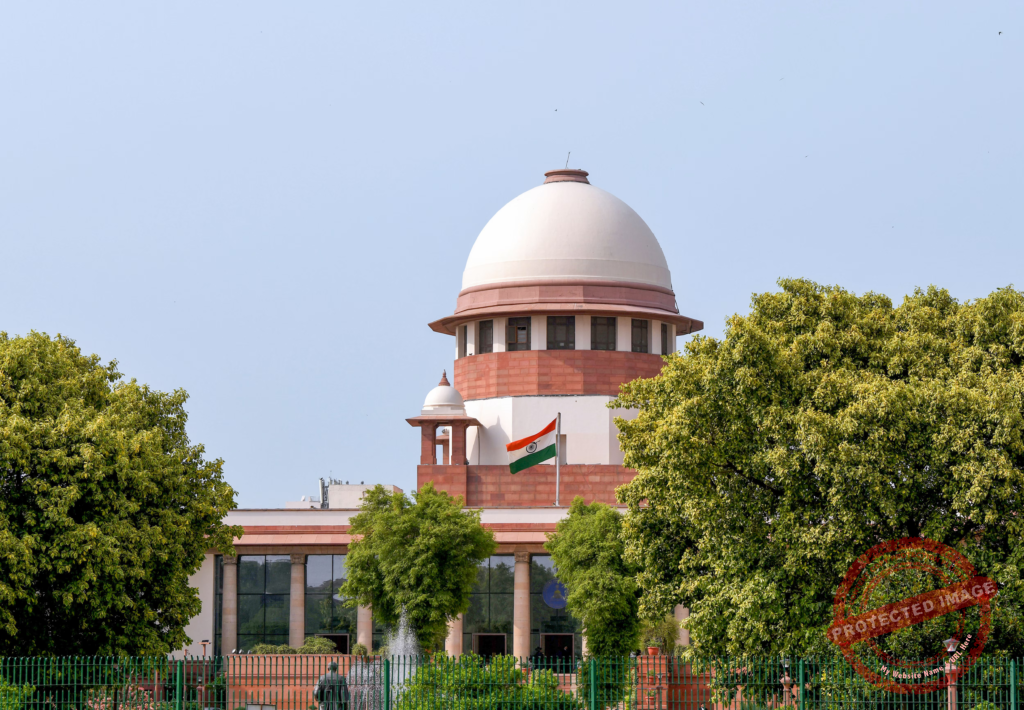
A petition seeking mandatory menstrual leave for women across India has been declined by the Supreme Court, which cautioned that such a policy could unintentionally affect hiring decisions and reinforce gender stereotypes in workplaces.
13 March, 2026 | New Delhi : The Supreme Court of India on Friday declined to entertain a Public Interest Litigation (PIL) that sought mandatory menstrual leave for female students and women employees across the country. The bench observed that while the issue raises important concerns related to women’s health and dignity, making such leave compulsory could have unintended consequences for women’s participation in the workforce.
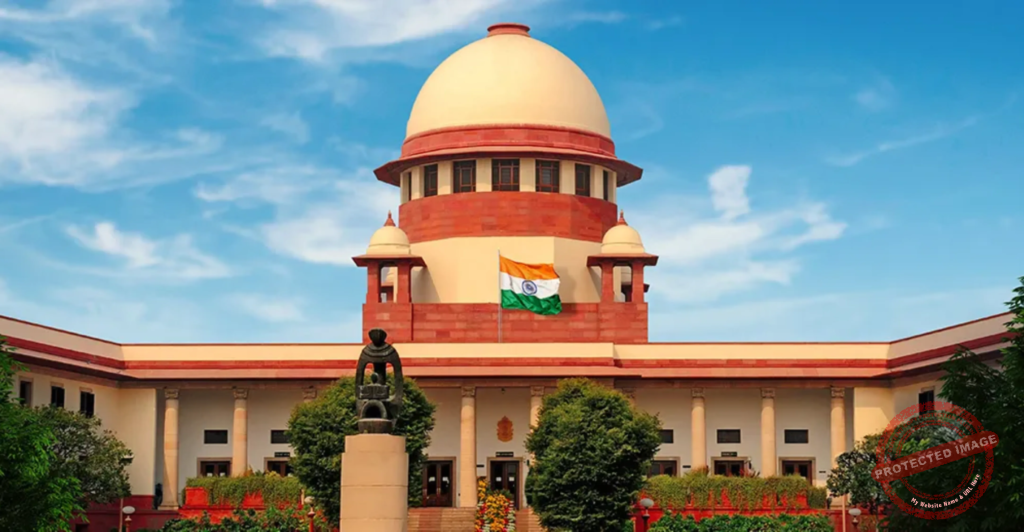
During the hearing, the court noted that a legally mandated policy might lead some employers to hesitate before hiring women, fearing additional leave obligations. The judges also warned that framing such provisions in law could inadvertently reinforce gender stereotypes by portraying women as less capable of handling professional responsibilities. The bench clarified that questions related to menstrual leave policies fall primarily within the domain of government policy rather than judicial intervention. It advised the petitioner to approach the appropriate government authorities for consideration of a broader policy framework.
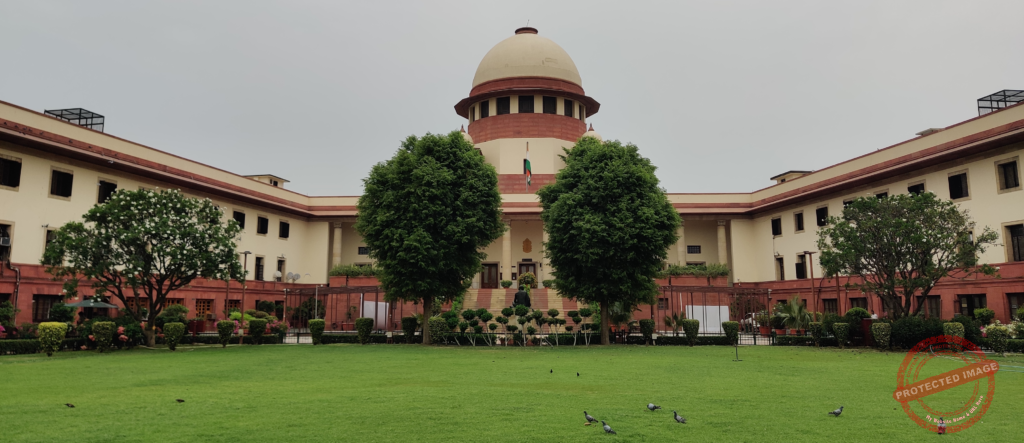
At the same time, the court acknowledged that several institutions and state governments have independently introduced menstrual leave provisions. Such voluntary policies, it said, can be adopted by organisations and administrations depending on their workplace structures and social considerations.The ruling has sparked renewed debate over how India should address menstrual health in educational institutions and workplaces. Advocates argue that supportive policies are necessary to ensure dignity and comfort for women, while others believe mandatory provisions must be carefully designed to avoid unintended discrimination in hiring practices.
As discussions continue, the issue highlights the complex balance between protecting women’s health needs and ensuring equal opportunities in the labour market.
Follow us On Our Social media Handles :
Instagram
Youtube
Facebook
Twitter
Also Read- Pune