Supreme Court Grants Historic Permission for Passive Euthanasia in Long-Term Coma Case
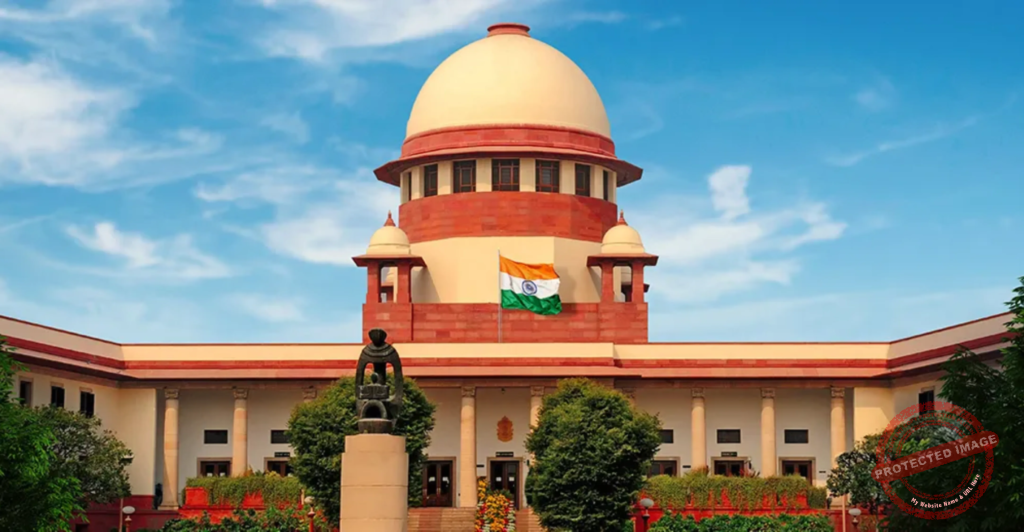
Supreme Court
The Supreme Court of India has authorized the withdrawal of life support for a 32-year-old comatose patient, marking the first direct legal recognition of passive euthanasia in the country.
New Delhi | 13 March, 2026: In a landmark ruling, the Supreme Court of India on Wednesday granted permission for passive euthanasia to be performed on 32-year-old Harish Rana, who has been in a coma for over 12 years following a severe head injury. This historic verdict represents the first instance in which the highest court in the country has directly allowed the withdrawal of life-sustaining treatment while urging the central government to consider a comprehensive legal framework for euthanasia.
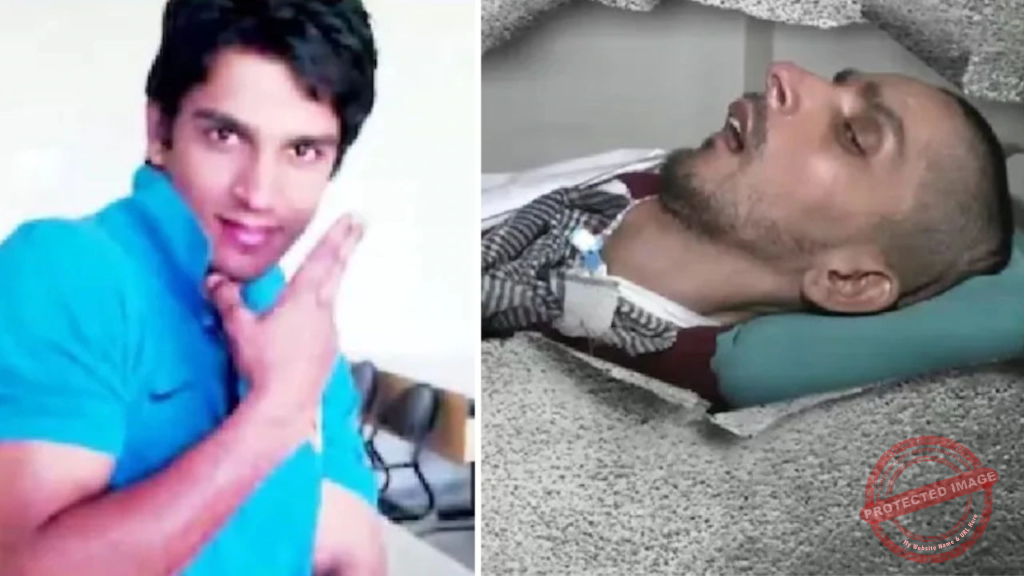
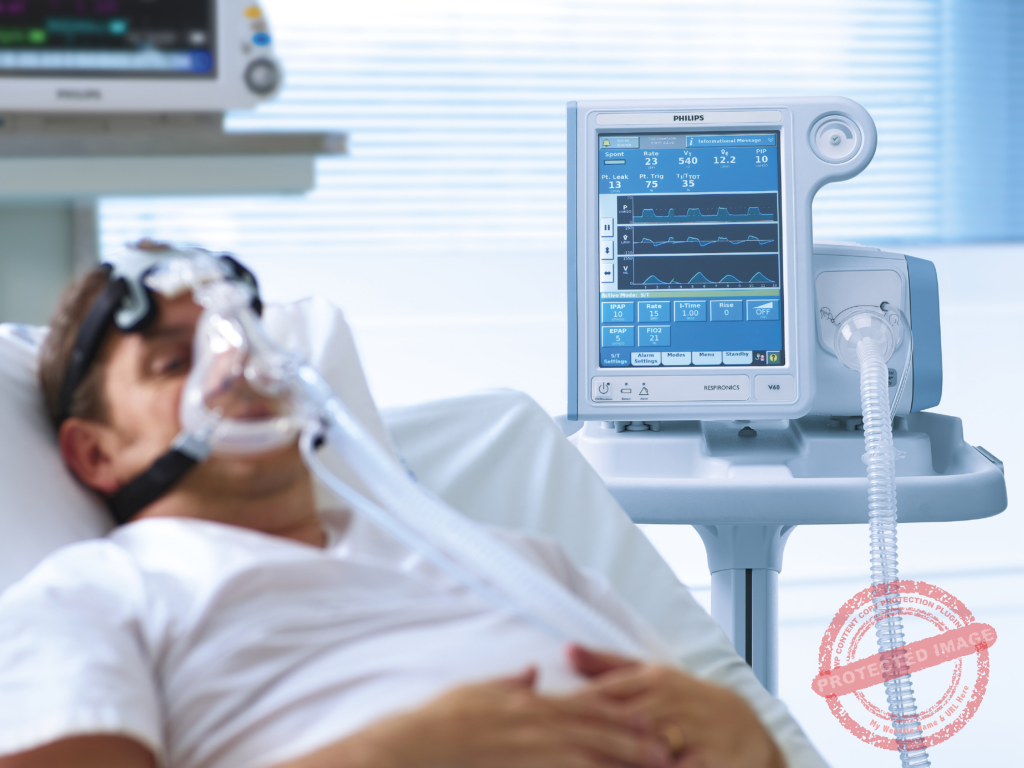
Harish Rana, a fitness and football enthusiast, suffered a traumatic brain injury in 2013 after falling from the fourth floor of a building while staying as a paying guest during his B.Tech studies at Punjab University. Since the accident, he has been on ventilator support at AIIMS Delhi, receiving continuous life-sustaining medical care.
The court instructed the hospital to remove the ventilator in a carefully planned and dignified manner, ensuring that the patient’s personal dignity and respect were maintained throughout the process. Justices J.B. Pardiwala and K.V. Viswanathan emphasized that passive euthanasia involves deliberately withholding or withdrawing medical treatment that keeps a patient alive, allowing death to occur naturally without active intervention.
The ruling aligns with the Supreme Court’s 2018 ‘Common Cause’ verdict, which had recognized the legal validity of passive euthanasia and advance medical directives under Indian law. While previous rulings laid the groundwork for ethical and legal discussions, this order is significant as it applies those principles to a real-life case of a long-term comatose patient.
Legal experts note that the decision carefully balances ethical considerations, patient rights, and medical responsibility. It underscores the importance of ensuring that any removal of life support is executed in a manner that respects human dignity and does not involve active euthanasia, which remains prohibited under Indian law.
The court also highlighted the emotional complexity surrounding euthanasia cases, stressing that decisions should consider both the prolonged suffering of the patient and the psychological impact on the family. By granting this order, the Supreme Court has set a precedent for handling similar cases in the future while encouraging the government to legislate a comprehensive law to govern euthanasia, patient autonomy, and advance directives.
The decision is expected to influence medical ethics discussions and healthcare protocols across the country. Hospitals and medical institutions may now establish clearer guidelines for cases involving long-term comatose patients, ensuring that legal, ethical, and procedural standards are consistently applied.
This historic ruling not only gives relief to the family of Harish Rana but also provides a legal and ethical framework for physicians and policymakers navigating the sensitive issues surrounding end-of-life care. By directly authorizing passive euthanasia under strict safeguards, the Supreme Court has strengthened patient rights and clarified legal boundaries in complex medical situations.
As India continues to debate euthanasia legislation and patient autonomy, the case of Harish Rana will likely remain a reference point for legal scholars, medical professionals, and legislators. It emphasizes the need for compassionate, well-regulated approaches to end-of-life care while balancing ethical, medical, and legal responsibilities.
Follow us On Our Social media Handles :
Instagram
Youtube
Facebook
Twitter
Also Read- Pune