Universe Expanding Faster Than Expected at 73.5 km per Second: New Global Study
universe
Universe Expanding Faster Than Expected as International scientists, including researchers from Pune’s IUCAA, have precisely measured the universe’s expansion rate, offering new insights into dark energy and cosmic evolution with improved accuracy.
Pune, April 11, 2026 Scientists from an international research collaboration, including experts from the Inter-University Centre for Astronomy and Astrophysics (IUCAA) in Pune, have measured the rate of expansion of the universe at 73.5 kilometers per second per megaparsec, marking a significant advancement in cosmology.
The study, which combines multiple independent astronomical methods, has achieved a more precise estimate of the Hubble constant by reducing uncertainties that have long challenged scientists. Researchers used observations of specific types of stars, including Cepheid variables, as well as distant supernovae and other galactic indicators to cross-verify measurements. This multi-method approach helps eliminate errors that can arise from relying on a single observational technique.
According to scientists involved in the project, the findings strengthen understanding of the universe’s age, structure, and potential future evolution. The results also provide deeper insight into dark energy, the mysterious force believed to be driving the accelerated expansion of the cosmos. The new measurement further intensifies the ongoing scientific debate known as the “Hubble tension,” which refers to the discrepancy between expansion rates calculated from early-universe observations and those derived from the present-day universe. Researchers say the persistent gap suggests that the difference may not be due to measurement errors alone but could point toward new physics beyond current cosmological models.
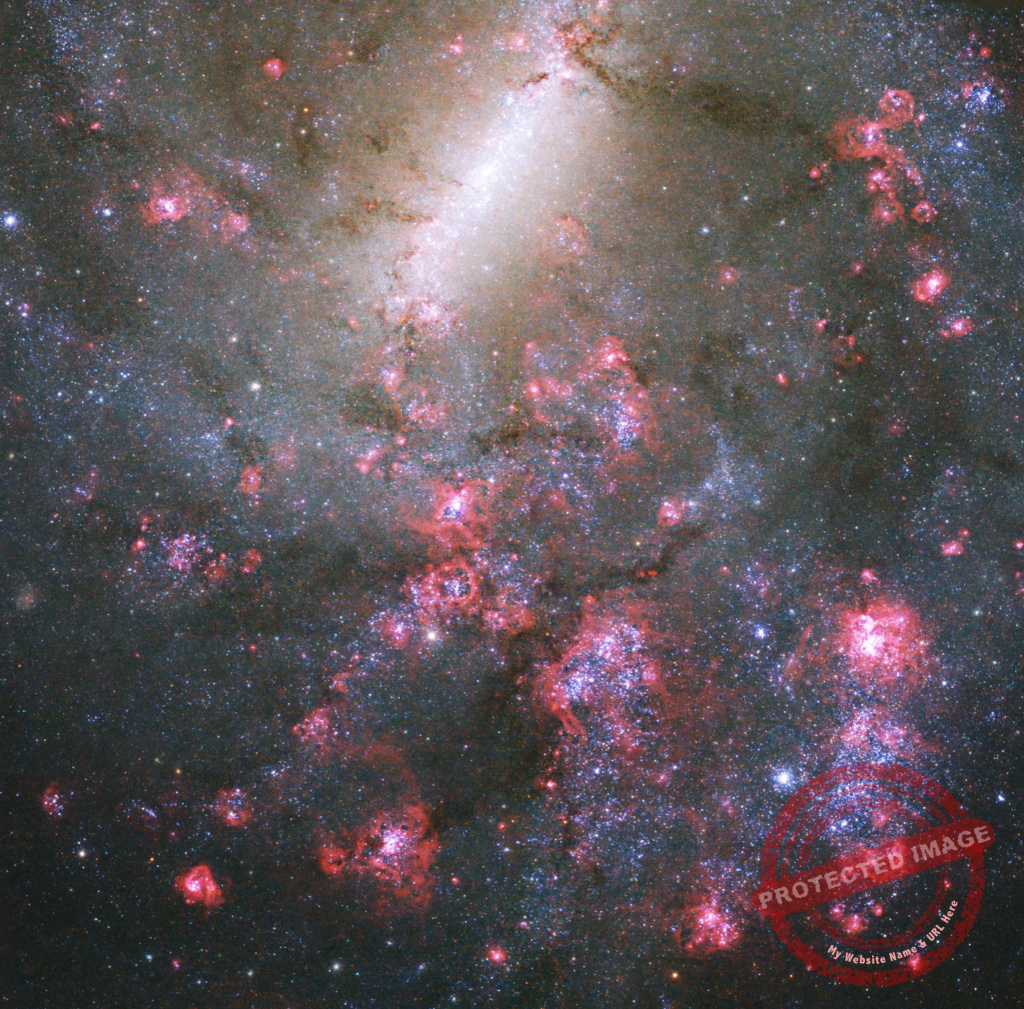
Experts at IUCAA in Pune played a key role in refining stellar brightness measurements, particularly using Cepheid and Mira-type stars, which are essential for calculating cosmic distances with high precision. Their contribution has been described as crucial in improving the accuracy of the final results. The research is expected to be published soon in a leading international astronomy and astrophysics journal, further cementing its importance in the field of modern cosmology.
Follow us On Our Social media Handles :
Instagram
Youtube
Facebook
Twitter
Also Read- Pune