BEST to Study Travel-Pattern Shift as Mumbai Metro Line 3 “Aqua Line” Changes Commute Dynamics

With the Aqua Line now operational in Mumbai, Brihanmumbai Electric Supply and Transport (BEST) embarks on a study to map changed commuter patterns and redesign feeder services.
Mumbai | November 5, 2025: The arrival of the Aqua Line has triggered a major rethink in Mumbai’s public-transport network. The Brihanmumbai Electric Supply and Transport (BEST) undertaking has officially launched a comprehensive study to analyse how the new underground metro corridor is reshaping commuter behaviour, especially on routes that overlap with its bus network.
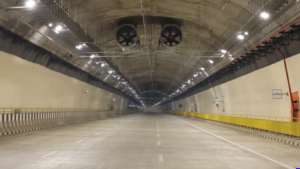
Operational since early October, the Aqua Line (Metro Line 3) spans a significant stretch of the city, linking major hubs from Cuffe Parade through Bandra Kurla Complex (BKC) to Aarey. Commuters who earlier relied on buses for shorter, last-mile journeys along the same corridor now have the metro as a fast alternative. A BEST official noted that routes serving CSMT–Mantralaya and BKC, among others, are already showing reduced bus-ridership volumes.
In response, BEST’s study focuses on three key objectives:
- Route rationalisation: Identifying bus lines that overlap with the metro and may now be redundant, to optimise resources.
- Feeder-service enhancement: Planning new or improved feeder routes linking metro stations to surrounding residential and employment hubs.
- Fleet adjustment and deployment: Deciding where to deploy buses more efficiently, including premium AC services, based on changing demand.
Meanwhile, commuters have already noticed tangible changes: fewer crowded bus rides along key corridors, and an unfolding preference for the metro’s speed and comfort. However, transport experts caution that metro success alone won’t guarantee a seamless shift unless last-mile connectivity, integration with bus/auto services, and user-friendly access zones are addressed.
This study is significant because it recognises that building metro infrastructure is only part of the equation—understanding how people actually travel, shift modes and abandon old routes is crucial for a truly efficient urban transit system. The findings from BEST’s analysis could shape how buses, autos and feeder-services are deployed in Mumbai in the coming months.
The Aqua Line has acted as a catalyst for change in urban mobility in Mumbai. With BEST now investigating commuter behavioural shifts, the city’s transportation roadmap could evolve sharply — shifting resources away from redundant bus routes, enhancing integration with the metro, and prioritising last-mile connectivity. For commuters, this promises a more coherent network; for transport planners, it offers data-driven clarity for the next phase of public-transport design.
Follow us On Our Social media Handles :
Instagram
Youtube
Facebook
Twitter
Also Read- Pune