Pune RTO Directs Ola, Uber, Rapido to Adhere to Government-Approved Fare Rules – Passengers Get New Hope
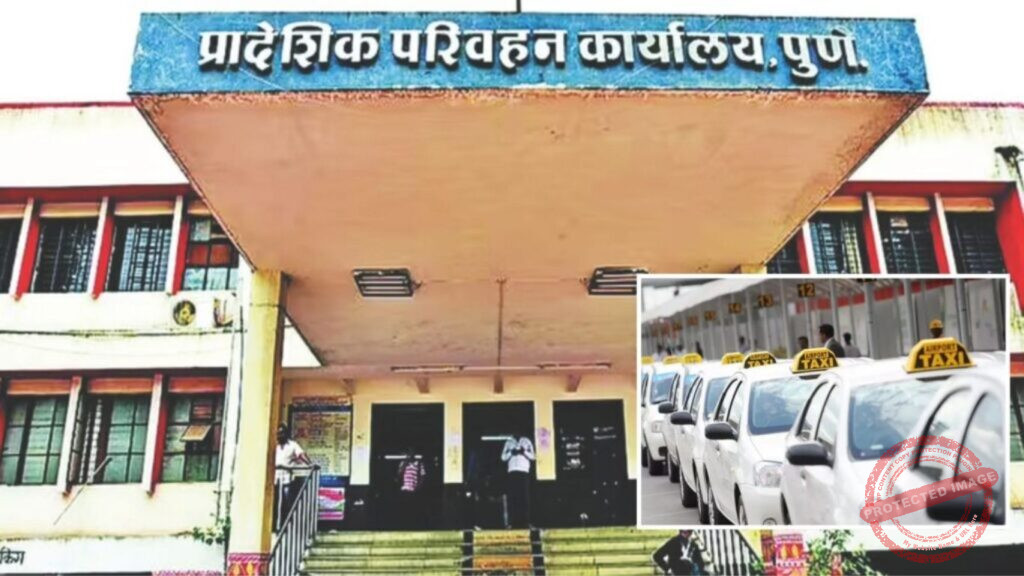
Pune RTO
Pune RTO orders cab aggregators Ola, Uber and Rapido to implement RTA-approved meter fares after fresh directive, promising transparent pricing for commuters.
Pune|06 December 2025: Pune’s transport regulator has issued a firm directive asking app-based cab and bike-taxi services to align their fare structures with officially approved government rates — a move that could reshape ride-hailing costs for thousands of daily commuters. The regional transport office (RTO) recently communicated with major ride-hailing platforms, urging them to update their fare charts, ensure compliance, and stop arbitrary pricing that had caused widespread confusion and complaints. The order follows mounting concerns over inconsistent fares, unexpected surge pricing, and refusal by many drivers to honour app-quoted rates.
Under the new mandate, fares for aggregator cabs in Pune, Pimpri-Chinchwad and Baramati are to follow the “meter-based” structure prescribed by state authorities. The official fare chart stipulates a base fare of ₹37 for the first 1.5 km and ₹25 for each kilometer thereafter. For many riders accustomed to previous app-determined fares, this translates into a possible rise of up to 40–45 % for some rides — especially those that were earlier being charged lower non-surge rates.
The change is rooted in a broader attempt to standardise ride costs and bring transparency to an industry long criticised for arbitrary fare hikes. Authorities argue that adherence to RTA-approved rates will protect passengers from sudden fare spikes, prevent exploitation during peak hours, and rebuild trust in app-based mobility services. The RTO has also made it clear that applications should be updated to display the legally mandated fare structure — not just on driver side but also in customer-facing booking screens.
Many commuters, long frustrated with erratic pricing, have publicly welcomed the move — hopeful that forced compliance will curb overcharging and eliminate the uncertainty associated with a booking. Drivers and aggregators, on the other hand, have voiced concerns: some argue that fixed meter-based fares might not reflect operational costs, especially during heavy traffic or long rides, potentially squeezing their margins. Still, given the regulatory push, aggregators are now under pressure to adapt or face penalties.
In the context of recent controversies — including surge-pricing abuses and disputes over fare transparency — this directive represents a significant recalibration of how ride-hailing services operate in Pune. If implemented in letter and spirit, it could mark a turning point, balancing commuter interests with driver livelihoods, and establishing a fairer, more predictable fare regime across the city.