Why Has Sitamarhi Emerged as One of Bihar’s Major HIV Hotspots?
Bihar
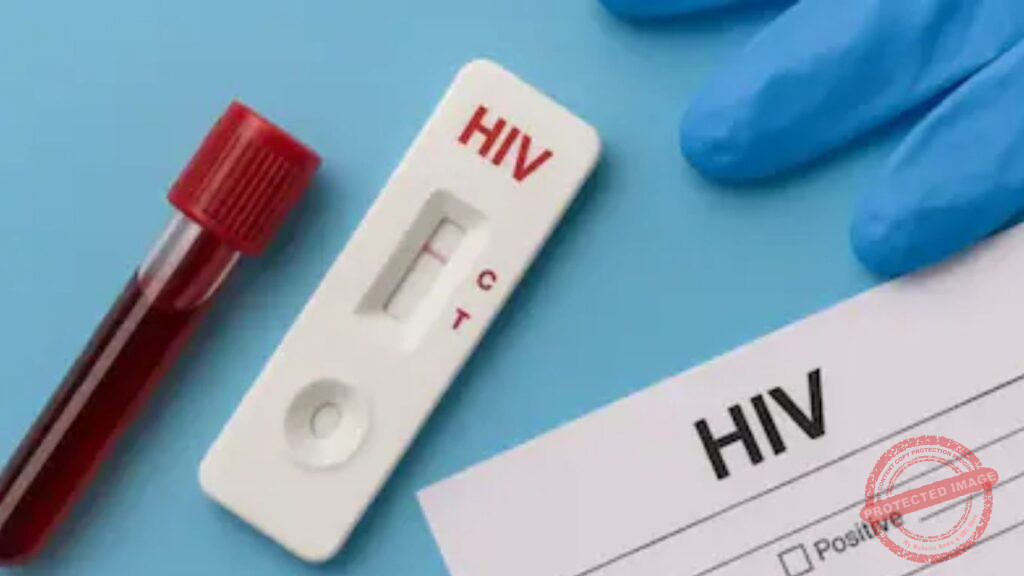
More than 7,400 people, including over 400 children, are living with HIV in Bihar’s Sitamarhi district, according to official health records, raising serious concerns about awareness, screening, and prevention mechanisms.
Sitamarhi, Bihar | December 11, 2025: Sitamarhi district in Bihar has reported a worrying number of HIV cases, with health department data confirming that over 7,400 individuals have been registered as HIV positive so far. Among them, more than 400 are children below the age of 18, a figure that has drawn attention to lapses in early detection and mother-to-child transmission prevention.
Officials at the district’s Anti-Retroviral Therapy (ART) Centre clarified that the numbers reflect cumulative registrations over several years and do not indicate a sudden outbreak. However, the consistent addition of new cases every month has underlined the persistent nature of the public health challenge in the region.
Medical authorities stated that a majority of HIV-positive children were infected through vertical transmission, either during childbirth or breastfeeding. Health experts have stressed that such cases can largely be prevented through timely HIV testing of pregnant women and proper medical intervention during and after delivery.
Data from the ART Centre shows that dozens of new patients continue to be registered each month, indicating ongoing transmission within the community. Officials have attributed the situation to low awareness about HIV transmission, limited access to regular testing in rural areas, and social stigma that discourages people from seeking early diagnosis.
The increasing patient load has also put pressure on healthcare facilities, with thousands currently dependent on antiretroviral treatment provided through government centres. Health workers on the ground have pointed out the need for stronger outreach programmes, especially targeting expectant mothers and high-risk groups.
District health officials have reiterated the importance of expanding counselling services, ensuring routine antenatal screening, and promoting accurate information about HIV to curb further spread. They maintain that early detection and sustained treatment remain the most effective tools to control the situation and improve the quality of life for affected families.
Follow us On Our Social media Handles :
Instagram
Youtube
Facebook
Twitter
Also Read- Pune