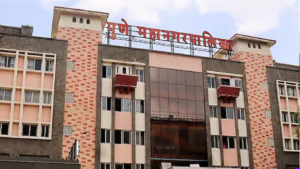
200 Workers Resign Together From Eknath Shinde Faction in Pune, Join Ravindra Dhangekar
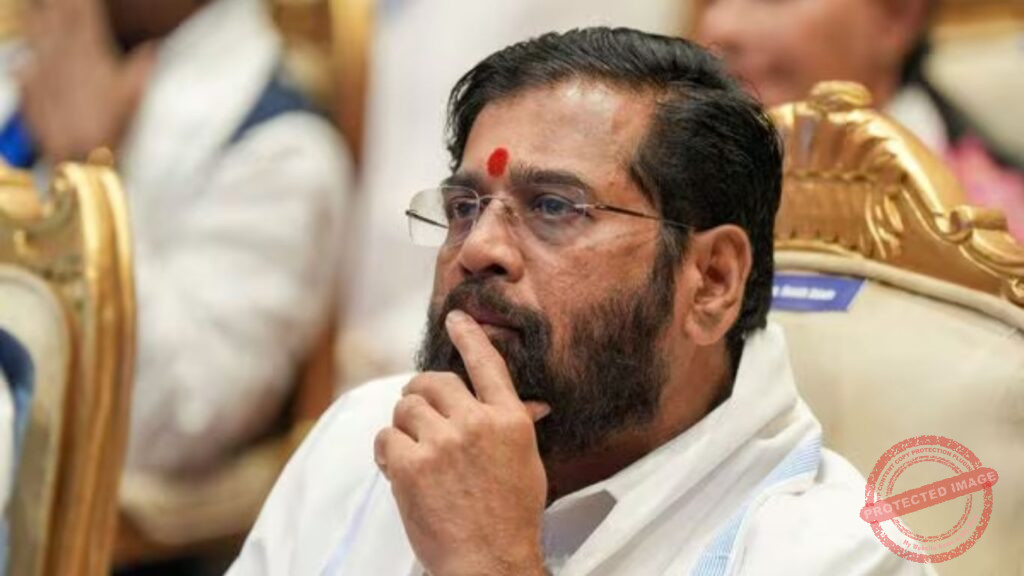
Eknath Shinde
Around 200 workers resigned en masse from the Eknath Shinde faction in Pune to join Ravindra Dhangekar’s camp, marking a significant political shift ahead of local elections.
Pune, December 20, 2025 – A major political shift has taken place in Pune as nearly 200 workers resigned collectively from the Eknath Shinde faction to join leader Ravindra Dhangekar’s camp, delivering a setback to Shinde’s organisational strength in the city. The resignations come at a critical moment as political activity accelerates ahead of the Pimpri-Chinchwad and Pune civic elections, and are being seen as a sign of changing loyalties and campaign momentum.
The group — consisting of grassroots workers, booth-level volunteers and local influencers — formally announced their exit from the Shinde camp at a gathering in Pune, where they pledged support to Ravindra Dhangekar. Addressing supporters, the group cited a desire for renewed leadership and organisational focus as key reasons behind their shift. They expressed confidence that Dhangekar’s approach and vision will better serve local development goals and voter expectations.
For the Eknath Shinde faction, the mass resignation represents a blow to its ground-level presence in Pune. Political strategists note that civic elections often hinge on mobilising workers who can connect with voters in neighbourhoods, address local issues, and coordinate campaign outreach effectively. Losing a large number of such volunteers could weaken Shinde’s organisational machinery at a time when every booth and ward counts.
Shinde’s supporters, however, have played down the impact, stating that internal realignments are part of political processes and that the camp remains strong in both Pune and surrounding regions. They emphasised ongoing campaign preparations and said that the overall support base for Shinde remains intact. Senior party leaders also reiterated their commitment to strengthening civic outreach and engaging directly with residents on core issues.
Ravindra Dhangekar welcomed the newly joined workers at the event, saying their decision reflects confidence in his leadership and plans for civic governance. In his remarks, Dhangekar highlighted local concerns such as traffic congestion, infrastructure improvement, housing challenges and public services — key themes that he says will define his camp’s campaign. He also stressed the importance of building a cohesive team that listens to residents and translates their needs into concrete action.
Analysts say the shift of workers to Dhangekar’s camp may influence voter perception, particularly among constituencies where ground-level engagement matters greatly. In municipal politics, local volunteers and organisers play a critical role in shaping candidate visibility and voter turnout, especially in tightly contested wards. The move is therefore seen as more than symbolic — it has practical implications for campaign momentum.
Opposition parties and rival camps have taken note of the development, with some interpreting the mass resignations as evidence of shifting political confidence. They argue that workers will gravitate toward leaders they believe can deliver results and resonate with voter priorities. Others caution that organisational changes can be fluid in local elections and that long-term success depends on sustained engagement rather than short-term movements.
Residents in Pune have also expressed mixed reactions. Some said they see political realignments as a normal part of democratic engagement, while others indicated that they will judge leaders based on their performance and ability to address everyday civic issues. Comments on social media reflect a range of views, with supporters of different camps voicing strong opinions about the implications of the mass shift.
As local body elections approach, all political camps in Maharashtra are intensifying efforts to consolidate support, finalise candidate lists and communicate their plans for civic development. The recent wave of resignations underscores how dynamic local political landscapes can be and how crucial grassroots mobilisation remains to electoral success.
For now, the spotlight in Pune has shifted to how effectively Ravindra Dhangekar’s camp leverages the newly gained support network and whether the Eknath Shinde faction can reinforce its organisational base in response. The outcome of these developments will be watched closely as election day draws near.
Follow us On Our Social media Handles :
Instagram
Youtube
Facebook
Twitter
Also Read- Pune