Arctic Ice Melt Linked to Changing Pattern of Indian Monsoon, Study Finds
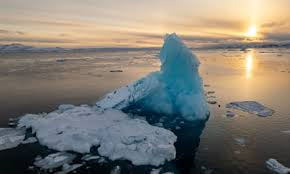
A new study by Pune-based climate scientists suggests that rapid melting of Arctic sea ice is influencing India’s monsoon pattern, particularly reducing rainfall during the crucial August-September period.
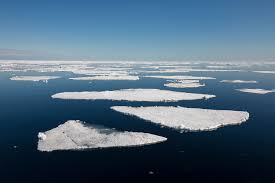
Pune | 06 March, 2026: Rapid melting of sea ice in the Arctic Ocean is emerging as a key factor influencing changes in India’s monsoon pattern, according to a recent study conducted by scientists in Pune. Researchers have found that the decline in Arctic sea ice is affecting rainfall distribution across the Indian subcontinent, particularly during the latter phase of the monsoon season.
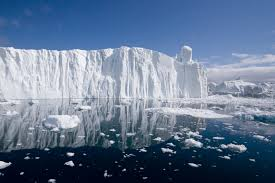
India’s monsoon season typically lasts from June to September and contributes nearly 80 percent of the country’s annual rainfall. However, in recent decades, the monsoon has become increasingly erratic, with some regions experiencing heavy downpours while others face drought-like conditions.Scientists from the Indian Institute of Tropical Meteorology (IITM) in Pune analysed rainfall data from the past 44 years to examine the relationship between Arctic sea ice and monsoon behaviour. Their findings indicate that melting sea ice during the early summer months can significantly influence the intensity and location of rainfall later in the season.
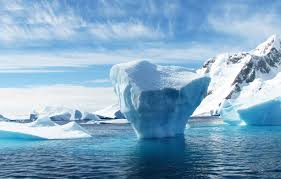
According to the research, the reduction of Arctic ice has contributed to a noticeable westward shift in monsoon rainfall. As a result, parts of western and northwestern India have been witnessing increasing rainfall, while several other regions experience reduced precipitation during August and September.Climate experts note that rising global temperatures and uneven warming patterns are accelerating the melting of polar sea ice. These changes disrupt the global energy balance and alter atmospheric circulation patterns, ultimately affecting weather systems far beyond the polar regions.
The researchers also observed a strong inverse relationship between Arctic ice cover and monsoon rainfall levels. Lower sea ice levels were often associated with stronger monsoon activity, though the rainfall distribution tends to shift geographically.Experts say the findings highlight how climate change in distant polar regions can have far-reaching consequences for weather patterns in South Asia
Follow us On Our Social media Handles :
Instagram
Youtube
Facebook
Twitter
Also Read- Pune