Maharashtra Government Suspends New Auto-Rickshaw and Taxi Permits to Tackle Traffic Congestion
government
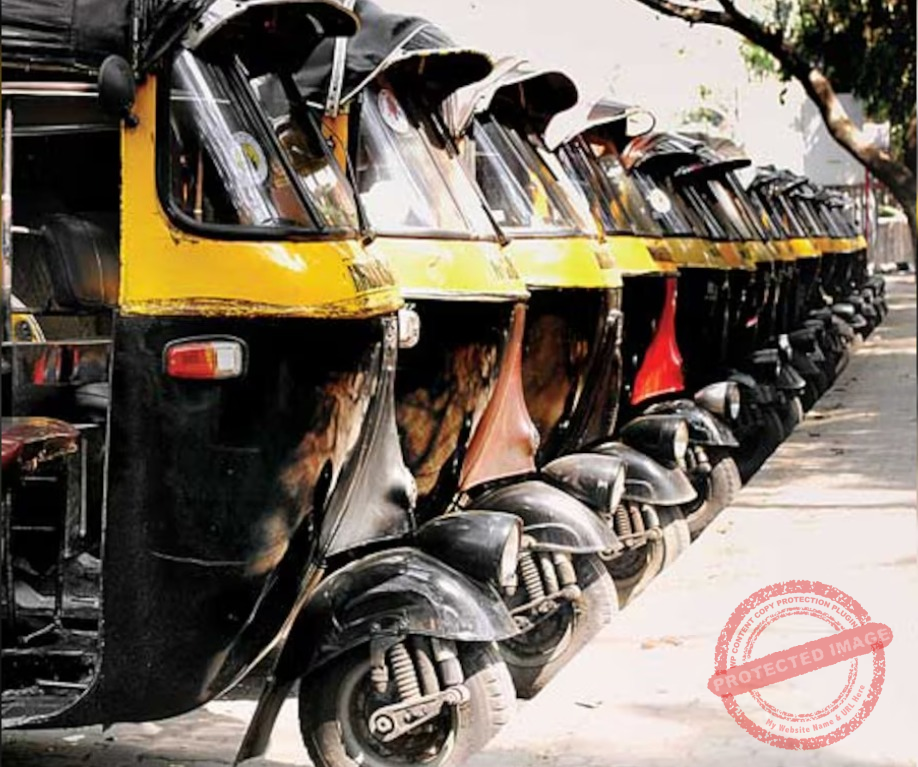
The Maharashtra government has temporarily halted issuing new auto-rickshaw and taxi permits from March 9, aiming to control rising traffic congestion and pollution while reviewing the current transport permit system.
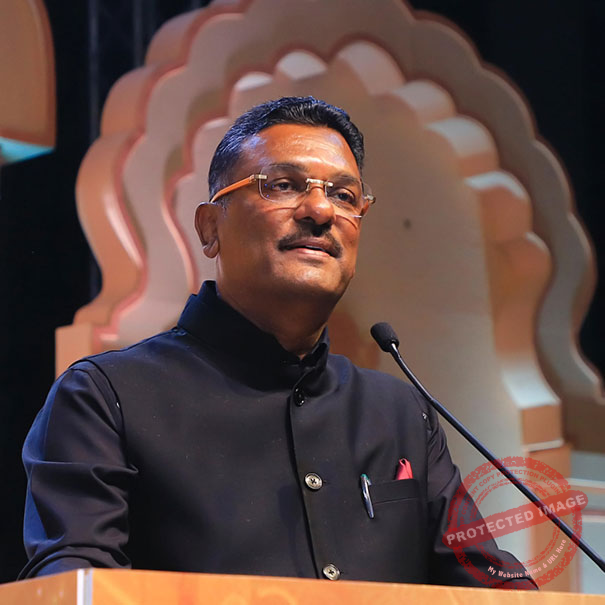
Mumbai | 10 March In a significant move to address growing traffic congestion and pollution in urban areas, the Maharashtra government has suspended the issuance of new auto-rickshaw and taxi permits across the state starting March 9. The decision was announced by state Transport Minister Pratap Sarnaik, who said the step was necessary to review the existing permit system and regulate the increasing number of vehicles on city roads.
Officials stated that the temporary suspension will remain in effect until the state cabinet finalises a revised policy framework governing the issuance of such permits. The government intends to reassess the current transport scenario and introduce clearer guidelines for granting new permits in the future.
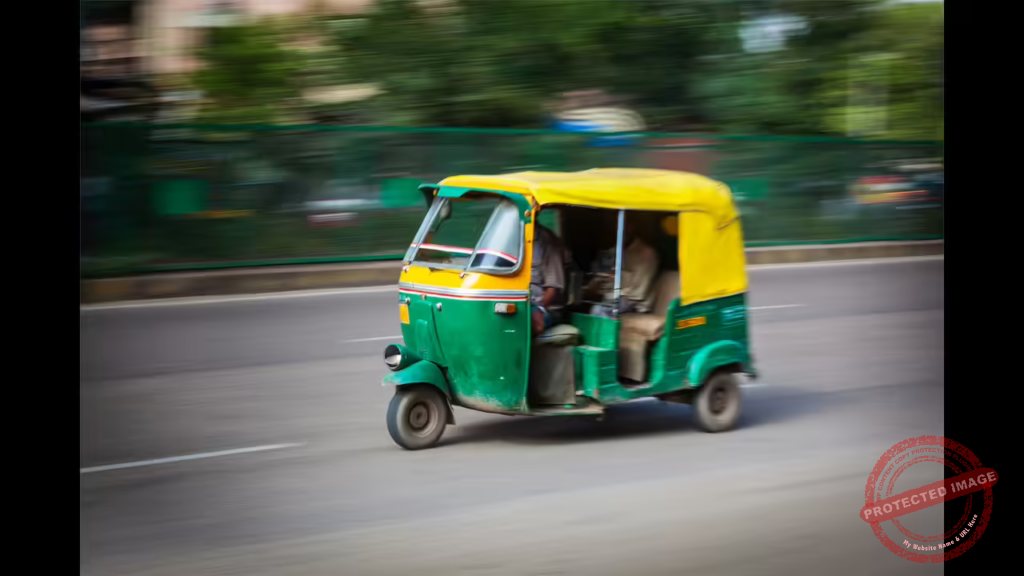
According to government data, more than 14 lakh auto-rickshaw permits have already been issued across Maharashtra. Authorities believe that the growing number of such vehicles, particularly in major cities, has contributed significantly to traffic congestion and increased pollution levels. By temporarily halting new permits, the government aims to regulate vehicle density and improve traffic management in urban areas.
The transport department also pointed out that many cities in the state have witnessed a rapid rise in autorickshaws over the years, which has placed considerable pressure on road infrastructure. Officials believe that limiting the number of new vehicles entering the transport system will help ease traffic flow while enabling the government to plan a more balanced mobility policy.
The Centre has also advised states to make decisions regarding the issuance of permits based on local conditions. Under the Motor Vehicles (Amendment) Act, 2019, state governments have been given the authority to regulate transport systems and modify permit rules according to regional requirements. This legal provision allows states to introduce measures aimed at improving traffic conditions and strengthening last-mile connectivity.
Transport Minister Sarnaik said the government would soon formulate new guidelines to ensure that public transportation remains efficient and accessible for citizens while also addressing congestion and regulatory concerns. The upcoming policy is expected to define criteria for issuing permits and introduce mechanisms to maintain a better balance between vehicle numbers and infrastructure capacity.
The decision is expected to primarily affect individuals planning to enter the transport business by applying for new auto-rickshaw or taxi permits. However, officials clarified that the suspension does not impact existing permit holders, and current auto-rickshaws and taxis will continue operating as usual.
Authorities have also received complaints regarding irregularities in the permit system, including instances where multiple permits were reportedly issued within the same household. Such concerns are being examined as part of the broader review of the permit policy.
Urban transport experts say the move could help the government better manage traffic conditions in densely populated cities like Mumbai, Pune and other growing urban centres. However, they also emphasise the need for improved public transport systems and better infrastructure planning to address long-term mobility challenges.
The state government is expected to conduct a detailed assessment of urban transport requirements before introducing a revised policy. Until then, the suspension of new auto-rickshaw and taxi permits will remain in place as part of efforts to streamline traffic management and improve urban mobility across Maharashtra.
Follow us On Our Social media Handles :
Instagram
Youtube
Facebook
Twitter
Also Read- Pune