Maharashtra to Digitally Transform 117 Heritage Sites with QR-Based Audio Guides
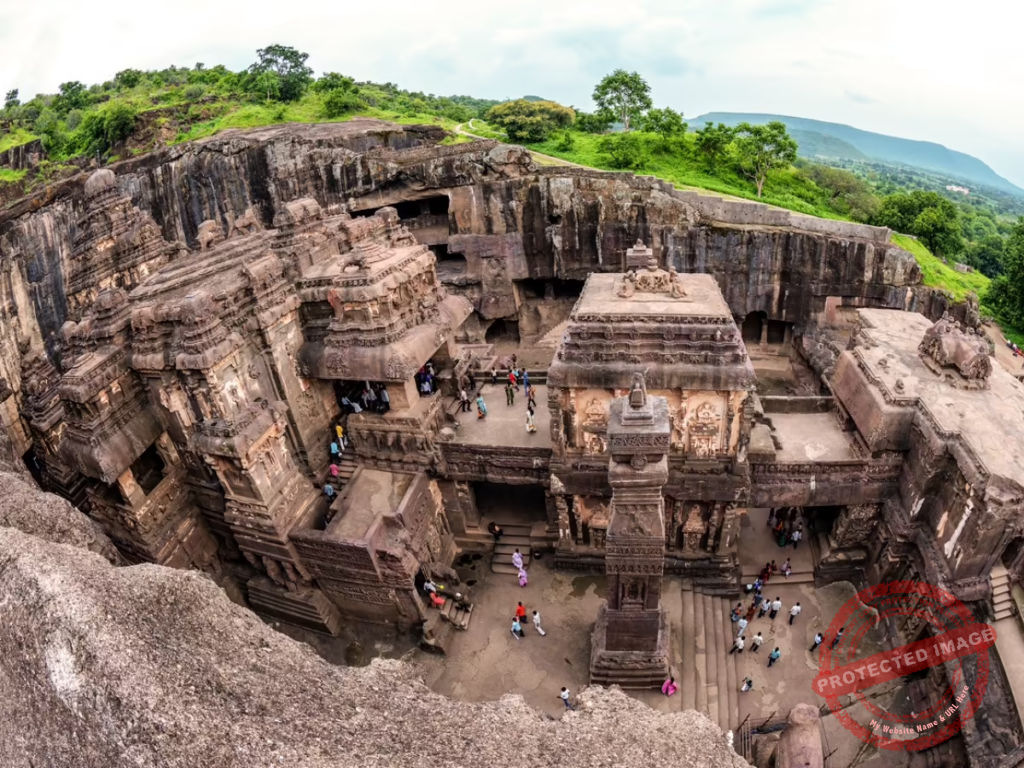
Heritage
Maharashtra is digitising 117 forts and heritage sites, enabling visitors to access verified historical information and audio commentary through QR codes, enhancing tourism and heritage awareness.
April 8, 2026 | Pune : In a significant step toward modernising heritage tourism, Maharashtra is set to digitally transform 117 forts and ancient monuments by introducing QR code-based access to historical information and audio commentary. The initiative aims to provide visitors with accurate, engaging and easily accessible insights into the state’s rich cultural legacy.

The project, spearheaded by the Archaeological Survey of India, has already been implemented at 25 heritage sites, including the iconic Shivneri Fort. Officials confirmed that work is underway to expand the system to a total of 117 locations across Maharashtra in the coming months.
The QR code system allows visitors to scan designated points at monuments using their smartphones, instantly accessing detailed historical information along with audio commentary. This feature is designed to enhance the visitor experience by offering guided insights without the need for physical tour guides.
The system was recently inaugurated at Pataleshwar Caves by Navratna Kumar Pathak, Director (South India) of the Archaeological Survey of India. Speaking at the launch, officials emphasised that the initiative is intended to provide authentic and verified information about historical sites, reducing reliance on unverified sources.
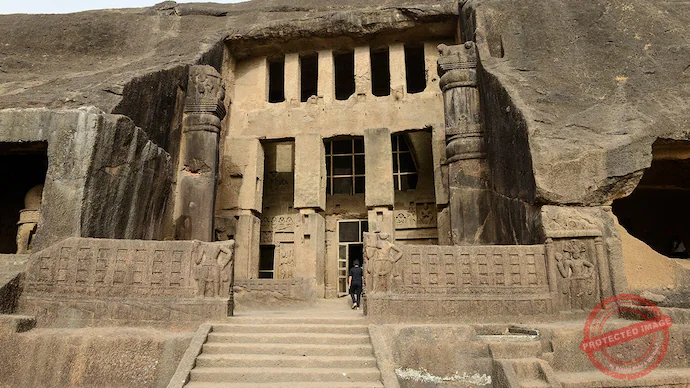
At Shivneri Fort alone, around 18 QR code points have been installed at key locations. Once scanned, these codes provide visitors with comprehensive details about the site’s history, architecture and significance, both in text and audio formats.
The project also covers several prominent forts and cave complexes, including Lohagad Fort, Sinhagad Fort, Elephanta Caves, Kanheri Caves and Jogeshwari Caves. In Pune, landmarks such as Shaniwar Wada and Pataleshwar Caves are also part of the initiative.
The digital infrastructure for the project is being developed by a Pune-based firm, Gunje India, under the supervision of ASI officials. Authorities noted that the integration of technology with heritage conservation will not only improve accessibility for tourists but also promote educational engagement, especially among younger visitors.
Experts believe the initiative could set a benchmark for digital heritage management in India, combining preservation efforts with innovative visitor services. By offering multilingual and audio-based content, the system is expected to cater to both domestic and international tourists.
As Maharashtra continues to position itself as a major cultural tourism destination, the adoption of such technology-driven solutions reflects a broader push toward sustainable and informed tourism development.
Follow us On Our Social media Handles :
Instagram
Youtube
Facebook
Twitter
Also Read- Pune