Union Cabinet Clears Draft Women’s Reservation Reform Bill, Paving Way for Early Implementation
Women Reservation
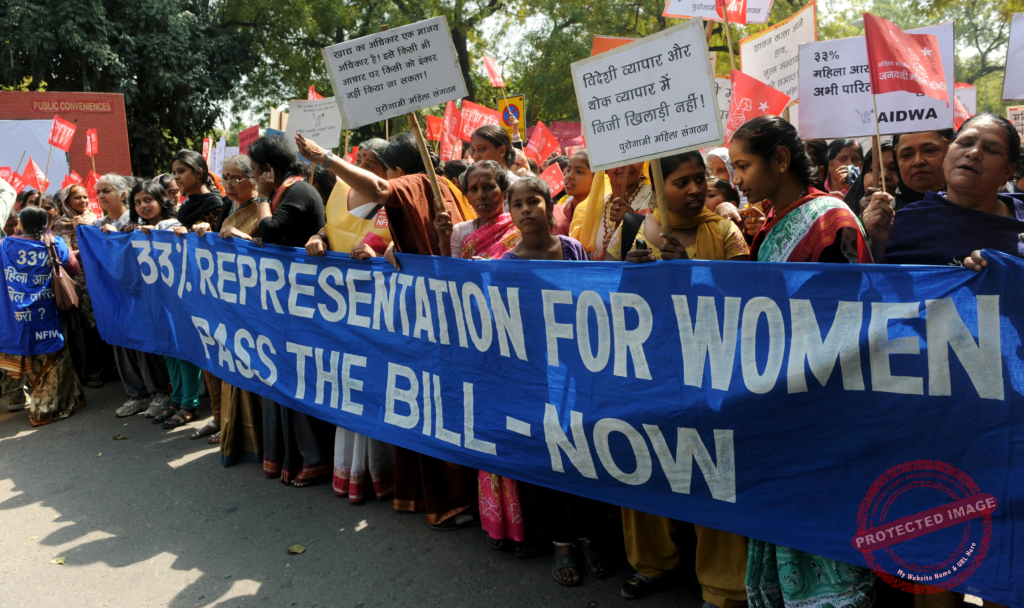
Union Cabinet has approved a draft reform bill to fast-track women’s reservation, proposing increased parliamentary seats and aiming to implement 33% quota from the 2029 general elections.
April 9, 2026 | New Delhi In a significant policy move, the Union Cabinet chaired by Prime Minister Narendra Modi has approved the draft of the Women’s Reservation Reform Bill, signaling the government’s intent to accelerate the implementation of political reservation for women. According to sources, the revised bill is expected to be tabled in Parliament between April 16 and 18 for discussion. The proposal aims to operationalize provisions of the Nari Shakti Vandan Adhiniyam at an earlier timeline than initially planned.
The government has proposed a substantial increase in the total number of Lok Sabha seats from 543 to 816, with 273 seats earmarked for women, ensuring a 33% reservation. This move is seen as a structural step to avoid delays linked to delimitation and census processes. The original 2023 legislation had mandated that women’s reservation in Parliament and state assemblies would come into effect only after the 2027 Census and subsequent delimitation, pushing its implementation potentially to 2034. However, the Centre now aims to advance the rollout to coincide with the 2029 general elections.
The reform proposal also includes a parallel restructuring of state legislative assemblies, where similar provisions for 33% reservation will be applied. States are expected to witness an increase in assembly proportionate to population and representation requirements.

In Maharashtra, for instance, the seats could exceed 400 under the new framework. To enable this transition, the government is preparing to introduce two key legislations a Constitutional Amendment Bill to modify existing provisions and a separate bill to amend delimitation laws, providing legal backing for seat expansion and reservation enforcement. The move is being viewed as a landmark step toward enhancing women’s political participation in India, with policymakers and experts anticipating a transformative impact on governance and representation in the coming years.
Follow us On Our Social media Handles :
Instagram
Youtube
Facebook
Twitter
Also Read- Pune