Fuel Prices May Surge After State Polls as Crude Oil Costs Climb Sharply
Fuel Prices
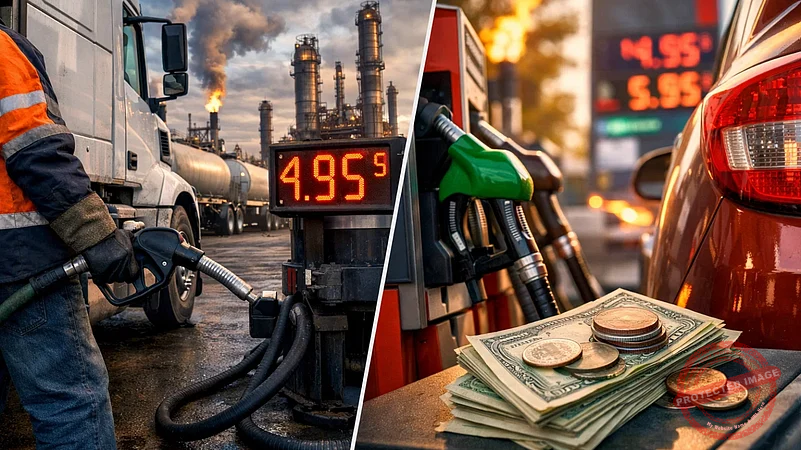
Rising global crude oil prices could push petrol and diesel rates significantly higher in India, with potential hikes expected after the conclusion of elections in five states, sources indicate.
New Delhi | April 15, 2026: India could be staring at a steep increase in fuel prices, with petrol expected to rise by up to ₹18 per litre and diesel by as much as ₹35 per litre, following a sustained surge in global crude oil prices. According to sources, oil marketing companies are likely to revise rates after the conclusion of विधानसभा elections in five states, including West Bengal.
The anticipated hike comes amid a sharp rise in international crude oil prices over recent weeks. Data indicates that crude oil, which was priced at around $73 per barrel on February 27, surged to nearly $120 per barrel by March 19 before easing slightly to approximately $100 per barrel as of April 14. Despite this volatility, domestic fuel prices have largely remained unchanged, increasing the financial burden on oil companies.
A report by global brokerage firm Macquarie Group suggests that Indian oil companies have been absorbing significant losses due to the gap between global crude prices and controlled domestic fuel rates. Industry estimates indicate that oil marketing firms are currently incurring losses of nearly ₹1,600 crore per day, even after recent adjustments in excise duties.
At one point last month, when crude prices touched peak levels, the daily losses reportedly escalated to approximately ₹2,400 crore. While government intervention through duty cuts provided some relief, the losses remain substantial, making a price revision increasingly unavoidable.
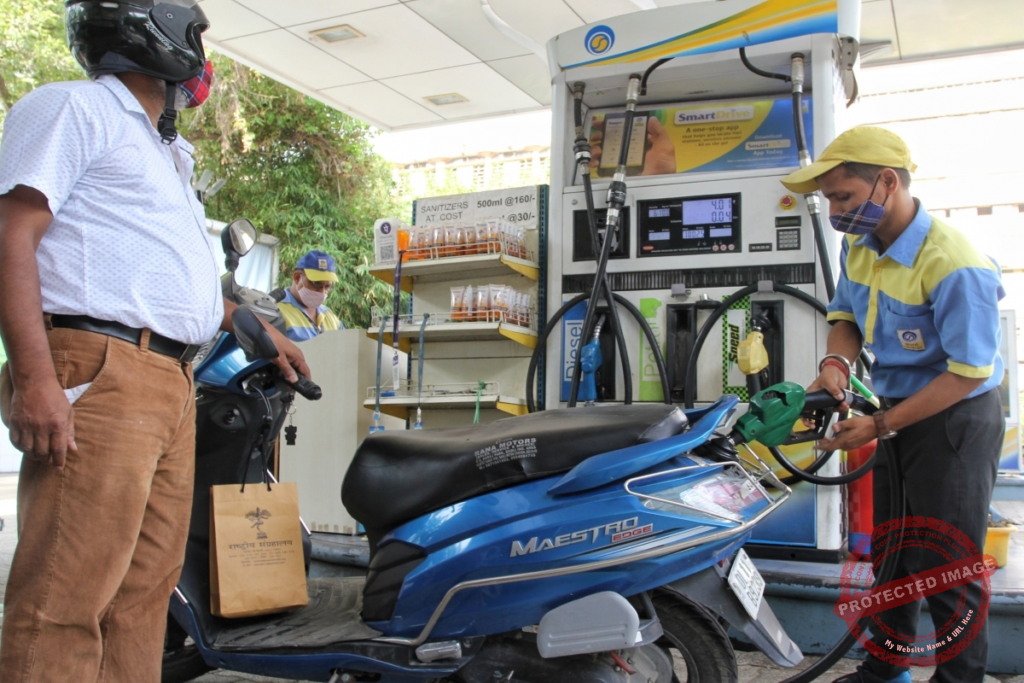
Officials familiar with the matter indicate that fuel price adjustments are often deferred during election periods to avoid political sensitivity. With results of the state elections expected in early May, companies may move to align domestic fuel prices with international trends soon after the electoral process concludes.
India’s heavy dependence on crude oil imports—estimated at nearly 88 percent of total consumption—further complicates the situation. Rising global prices not only strain oil companies but also have broader economic implications, particularly on the country’s current account deficit. Analysts warn that if crude prices remain elevated, the deficit could widen significantly in the first quarter of 2026.
Economists note that any sharp increase in fuel prices is likely to have a cascading effect on inflation, as transportation and logistics costs rise across sectors. This, in turn, may impact essential commodities and overall cost of living for consumers.
While there has been no official announcement yet regarding the exact timeline or extent of the price hike, the prevailing market conditions suggest that an increase is imminent. Consumers and industries alike are bracing for the potential impact, even as policymakers weigh the balance between economic realities and public sentiment.
Follow us On Our Social media Handles :
Instagram
Youtube
Facebook
Twitter
Also Read- Pune