India and New Zealand Sign Free Trade Agreement, Sensitive Agricultural Items Kept Out
India
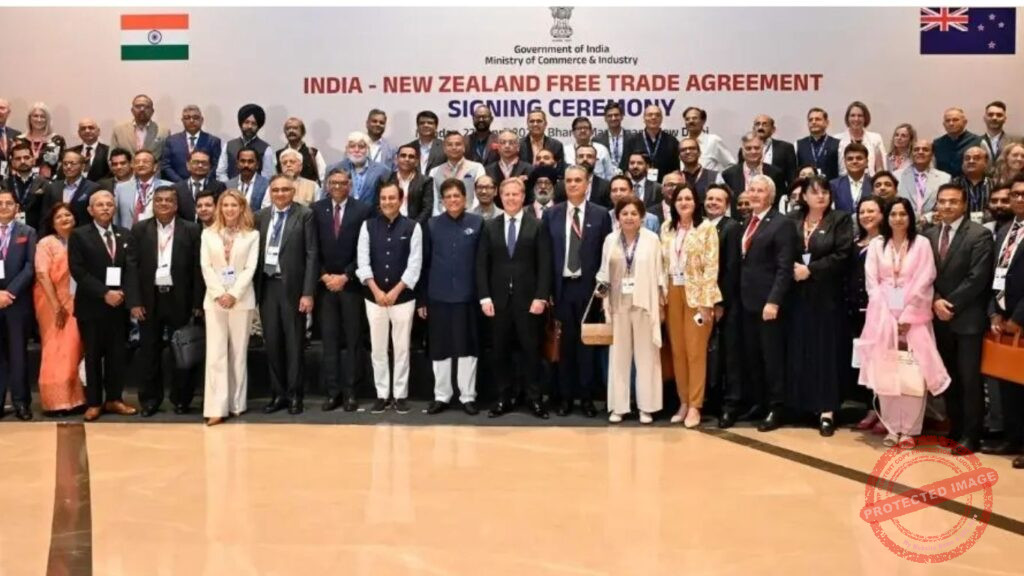
India and New Zealand have signed a fast-tracked trade deal opening markets in textiles, services, and investment, while protecting India’s agriculture by excluding sensitive products from tariff reductions
New Delhi | 29 April 2026: India and New Zealand have formally signed a Free Trade Agreement (FTA), marking a significant step in strengthening bilateral economic ties while carefully safeguarding India’s agricultural sector.

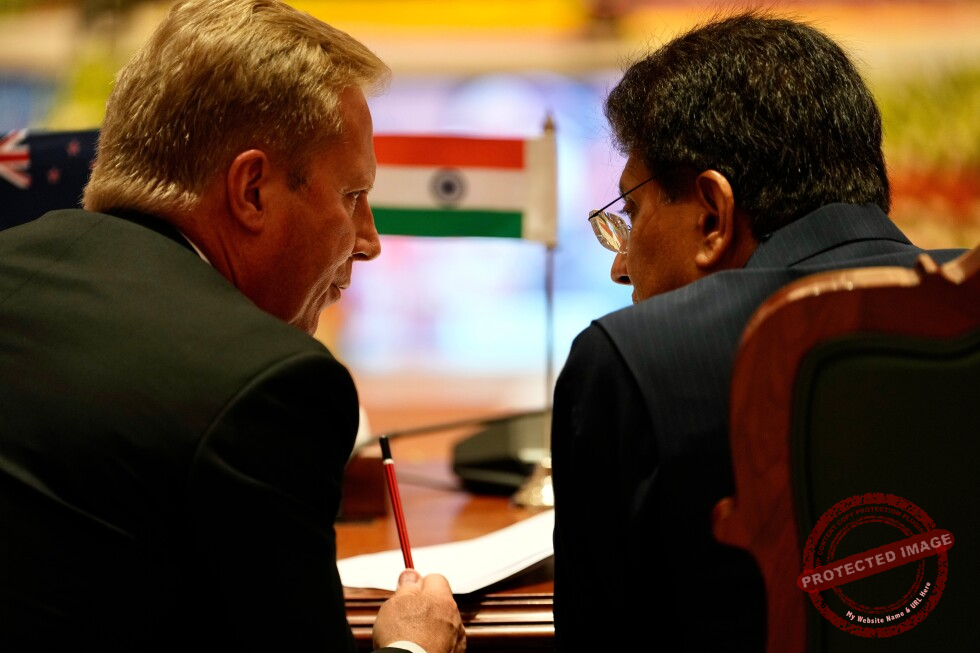
The agreement, finalised after around nine months of negotiations, is considered one of India’s fastest trade deals to date. It opens up New Zealand’s markets to Indian textiles, services, and other sectors, while also easing visa norms for Indian professionals, particularly in the technology space.
A key highlight of the deal is India’s decision to exclude sensitive agricultural products from tariff concessions, ensuring protection for domestic farmers. At the same time, the agreement allows for either complete removal or reduction of export duties on several goods traded between the two countries.
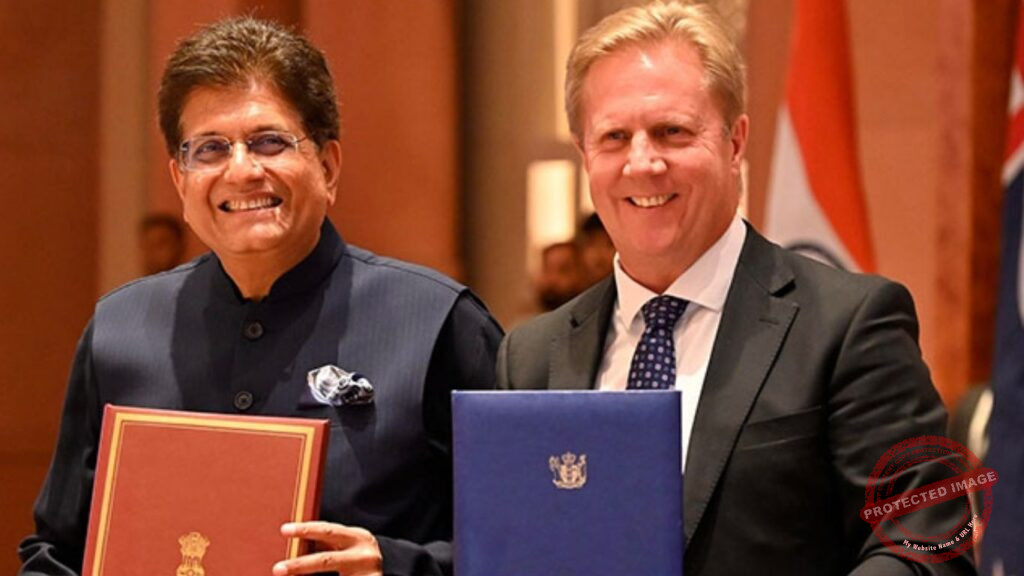
Under the terms of the pact, about 57 percent of goods imported from New Zealand will receive immediate duty-free access to the Indian market. These include items such as fish products, iron, steel, and aluminium scrap. Import duties on fruits like kiwi and apples will also see reductions.In a major boost to economic cooperation, New Zealand has committed to investing 20 billion dollars in India over the next 15 years. This investment is expected to benefit sectors like information technology, healthcare, and education.
The agreement also creates new mobility opportunities. Indian skilled professionals will have access to 5,000 temporary work visas, along with 1,000 working holiday visas. Additionally, processes allowing Indian students to stay and work in New Zealand after completing their education are set to become more streamlined.
Overall, the FTA aims to balance trade expansion with domestic interests, combining market access, investment inflows, and workforce mobility while maintaining safeguards for India’s agriculture.
Follow us On Our Social media Handles :
Instagram
Youtube
Facebook
Twitter
Also Read- Pune