No Future for Petrol, Diesel Vehicles”: Gadkari Signals Major Shift Towards Green Mobility in India
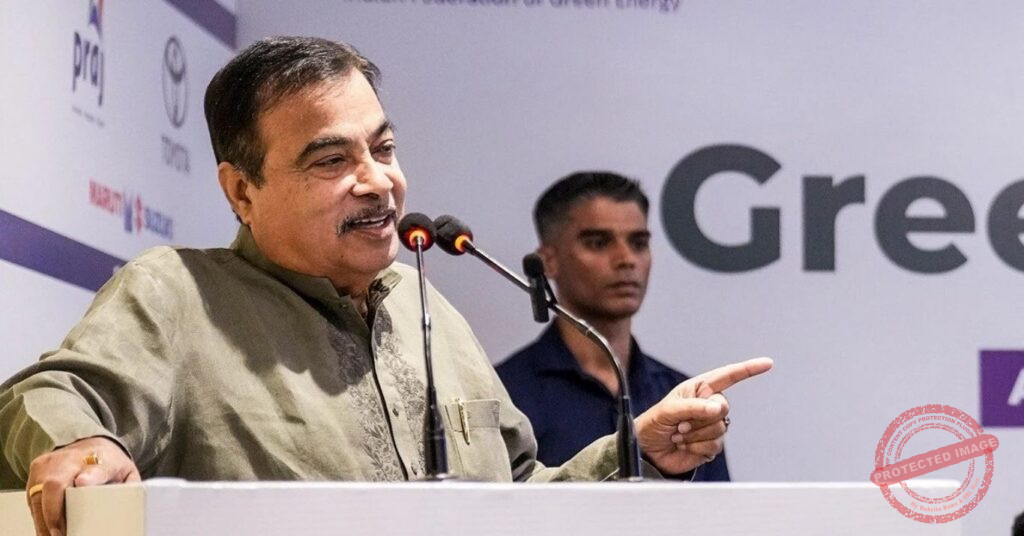
Gadkari
Union Minister Nitin Gadkari says petrol and diesel vehicles have no future, pushing India towards EVs, hydrogen, and cleaner fuels.
Pune, 30 April, 2026: India’s transport sector could be heading towards a transformative shift, as Union Road Transport and Highways Minister Nitin Gadkari has made a strong statement declaring that petrol and diesel vehicles “have no future.” The remark, delivered at a recent industry event, signals a clear policy direction towards cleaner, sustainable mobility solutions in the coming years.
This development comes at a time when India is already accelerating its push toward electric vehicles (EVs), alternative fuels, and reduced dependence on fossil fuel imports.
A Clear Message to the Auto Industry
Speaking at the Busworld India 2026 conclave, Gadkari urged automobile manufacturers to rethink their long-term strategies and shift away from fossil-fuel-powered vehicles. He emphasized that continued reliance on petrol and diesel is not viable due to environmental concerns and economic pressures.
“There is no future for diesel and petrol vehicles,” he said, while calling on Original Equipment Manufacturers (OEMs) to invest in cleaner technologies like electric mobility, biofuels, hydrogen, CNG, and LNG.
The message is not just advisory but reflects a broader government vision aimed at reducing carbon emissions and aligning with global sustainability goals.
Why India Is Moving Away from Petrol and Diesel
The shift is driven by two major factors: environmental impact and economic dependency.
India imports a large portion of its crude oil requirements, which puts pressure on the economy, especially during global crises. Gadkari highlighted that fossil fuel dependency is both expensive and unsustainable in the long run.
At the same time, rising pollution levels in urban areas have intensified the need for cleaner alternatives. Petrol and diesel vehicles are major contributors to air pollution, making the transition not just desirable but necessary.
Hydrogen and EVs: The Future Roadmap
One of the key highlights of Gadkari’s vision is the promotion of hydrogen as a future fuel. The government has already initiated pilot projects involving hydrogen-powered trucks and buses across select routes in India.
“Hydrogen is the fuel of the future,” Gadkari noted, indicating that large-scale adoption could redefine the transport ecosystem.
Alongside hydrogen, electric vehicles continue to gain traction. With improved battery technology, expanding charging infrastructure, and policy incentives, EVs are becoming increasingly accessible to consumers.
Not an Immediate Ban, But a Gradual Transition
Despite the strong statement, it is important to understand that this does not mean an immediate ban on petrol and diesel vehicles. Instead, it signals a gradual transition.
The government is expected to adopt a phased approach—encouraging innovation, incentivizing clean energy adoption, and tightening emission norms over time. Earlier, Gadkari had also hinted at reducing fossil-fuel vehicle dependency significantly within the next decade.
This means existing vehicle owners need not panic, but the long-term direction is clearly shifting.
Impact on Consumers and Industry
For consumers, this transition could mean:
- Increased availability of EVs and alternative fuel vehicles
- Lower running costs in the long term
- Changes in resale value of petrol/diesel vehicles
For the automobile industry, the shift presents both a challenge and an opportunity. Manufacturers that adapt quickly to green technologies are likely to gain a competitive edge, while those slow to transition may face disruptions.
Major automakers in India have already begun investing heavily in EV platforms and hydrogen fuel research, anticipating this shift.
Global Context and India’s Position
India is not alone in this transition. Several countries have announced timelines to phase out petrol and diesel vehicles, aiming to meet climate targets and reduce emissions.
However, India’s approach is unique due to its scale, economic diversity, and infrastructure challenges. Balancing affordability with sustainability will be key to ensuring a smooth transition.
Follow us On Our Social media Handles :
Instagram
Youtube
Facebook
Twitter
Also Read- Pune