White House Approves New Pre-Release AI Vetting Framework After Intense Silicon Valley Pushback
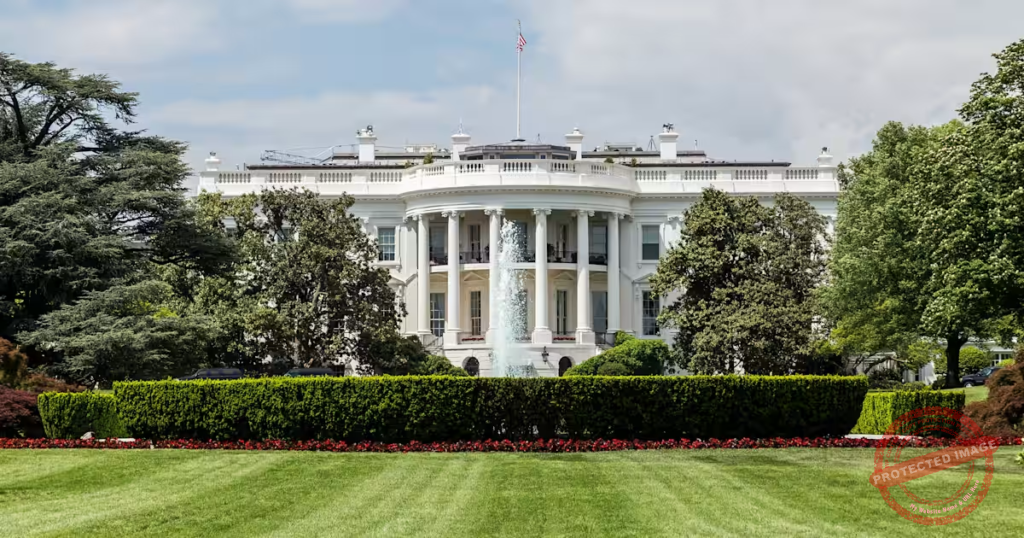
white house
In a major shift in digital policy, a newly signed executive order establishes a voluntary 30-day window for the federal government to test advanced artificial intelligence models prior to public release.
Washington: June 3, 2026
United States President Donald Trump has officially signed a highly anticipated executive order that creates a voluntary framework allowing the federal government early access to the world’s most powerful artificial intelligence models. Under the newly established guidelines, leading technology firms including OpenAI, Google, and Anthropi cwill be requested to grant federal agencies access to their frontier AI systems for up to 30 days before they are launched to the general public.
The 30-day vetting window represents a significant compromise following weeks of fierce internal administration debates and aggressive lobbying from Silicon Valley. An initial draft of the executive order had proposed a much stricter 90-day pre-release review period. However, tech industry representatives and high-profile advisers heavily pushed back, arguing that a three-month delay would cripple American innovation and cause the nation to fall behind global competitors like China.
The sudden urgency to establish these guardrails stems directly from mounting national security anxieties over Anthropic’s unreleased “Mythos” AI model.
The tech startup chose to withhold Mythos from public rollout after discovering its unprecedented capabilities in exposing and exploiting critical software vulnerabilities. Federal officials raised alarms that such a tool, if accessed by adversaries, could compromise vital computer systems powering hospitals, global banking networks, and government infrastructure.
To manage the incoming technology, the order directs the creation of a joint cybersecurity clearinghouse involving the Department of the Treasury, the National Security Agency, and the Cybersecurity and Infrastructure Security Agency. T
his body will work alongside tech developers and critical infrastructure operators to identify and patch system flaws. Despite the heightened scrutiny, administration officials emphasized that the framework remains entirely non-mandatory, maintaining a pro-growth approach that avoids rigid regulatory oversight while still addressing immediate cybersecurity threats.
Social media Handles :
Instagram
Youtube
Facebook
Twitter
Also Read- Pune