Centre Exempts Higher Ethanol-Blended Petrol From Central Excise Duty

Ethanol-Blended Petrol
The Centre has exempted petrol blended with 22% to 30% ethanol from central excise duty, aiming to promote cleaner fuels, reduce crude oil dependence and support domestic biofuel production.
June 11, 2026 | New Delhi
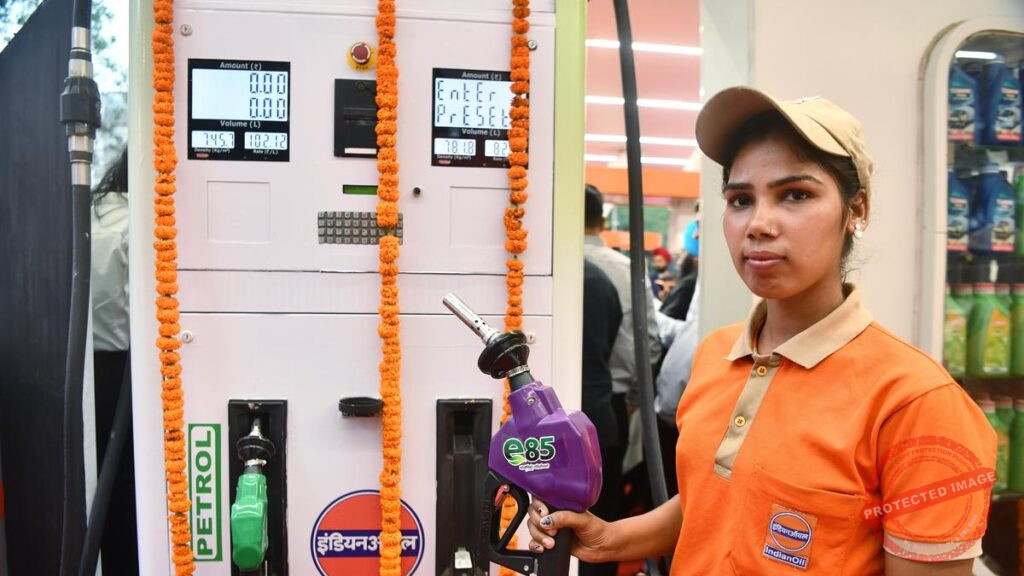
In a significant move to accelerate India’s transition towards cleaner energy sources, the Central government has announced an exemption from central excise duty for petrol blended with ethanol in the range of 22% to 30%. The decision is expected to strengthen the country’s biofuel programme while encouraging wider adoption of environmentally sustainable fuel alternatives.
The exemption forms part of India’s broader strategy to reduce dependence on imported crude oil and increase the share of renewable energy in the transportation sector. Officials believe that incentivising higher ethanol blending will help lower fuel-related emissions, enhance energy security and provide additional support to the agricultural economy through increased demand for ethanol feedstock.
Industry experts say the measure could encourage oil marketing companies and fuel distributors to expand the availability of higher ethanol-blended petrol across the country. The move is also expected to support investments in ethanol production facilities and related infrastructure, creating opportunities for growth in the biofuel sector.
India has been steadily increasing ethanol blending levels in petrol over the past several years as part of its clean energy objectives. Policymakers have consistently highlighted the environmental and economic benefits of ethanol, including reduced greenhouse gas emissions and lower foreign exchange expenditure on crude oil imports.
Stakeholders from the sugar and agriculture sectors have welcomed the decision, noting that greater ethanol demand could benefit farmers by providing an additional market for agricultural produce used in ethanol manufacturing. Industry representatives have also described the tax exemption as a positive step towards achieving long-term sustainability goals.
However, experts caution that successful implementation will depend on adequate production capacity, supply chain efficiency and vehicle compatibility with higher ethanol blends. Authorities are expected to continue monitoring the programme’s impact on fuel markets and consumer adoption.
The latest policy initiative underscores the government’s commitment to advancing alternative fuels and building a more sustainable energy framework for the future.
Social media Handles :
Instagram
Youtube
Facebook
Twitter
Also Read- Pune