Smartwatch Makers Race to Bring Blood Sugar Tracking as Wearable Health Technology Advances
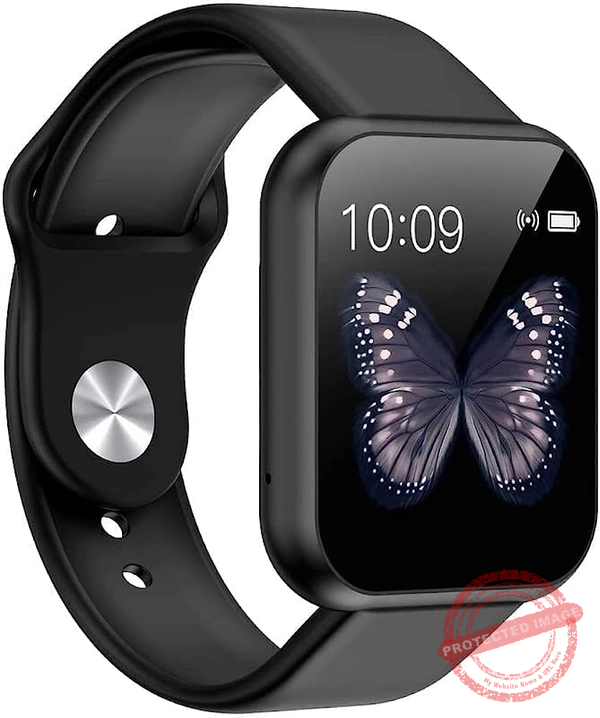
smart watch
Apple, Samsung, Garmin and Oura are intensifying efforts to integrate blood sugar monitoring into wearable devices, but experts say truly non-invasive glucose tracking remains a significant technological challenge.
June 12, 2026 | San Francisco
The global wearable technology industry is witnessing a new race as major companies including Apple, Samsung, Garmin and Oura push toward developing blood sugar monitoring capabilities for smartwatches and smart rings. The move is seen as the next major frontier in digital health, with millions of users seeking more comprehensive health insights from their wearable devices.
While modern smartwatches already offer features such as heart rate monitoring, sleep tracking, blood oxygen measurement and stress analysis, direct blood glucose monitoring remains out of reach for mainstream consumer devices. Industry experts note that no major smartwatch currently available can independently measure blood sugar levels without the assistance of an external continuous glucose monitoring (CGM) system.
Several manufacturers have instead focused on integrating their devices with approved CGM platforms, allowing users to view glucose readings directly on their watches or companion applications. This approach has helped bridge the gap between traditional medical monitoring systems and consumer-focused wearable technology.
Apple and Samsung are widely viewed as leading contenders in the pursuit of non-invasive glucose tracking technology. Both companies have invested heavily in health-focused research and development, though neither has announced a commercially available smartwatch capable of independently measuring blood sugar levels.
Garmin, known for its fitness and performance-focused ecosystem, has concentrated on integrating glucose data into training and health analytics for athletes. Meanwhile, Oura has adopted a broader wellness approach, combining glucose information with sleep, recovery and activity metrics to provide users with a more comprehensive understanding of their health patterns.
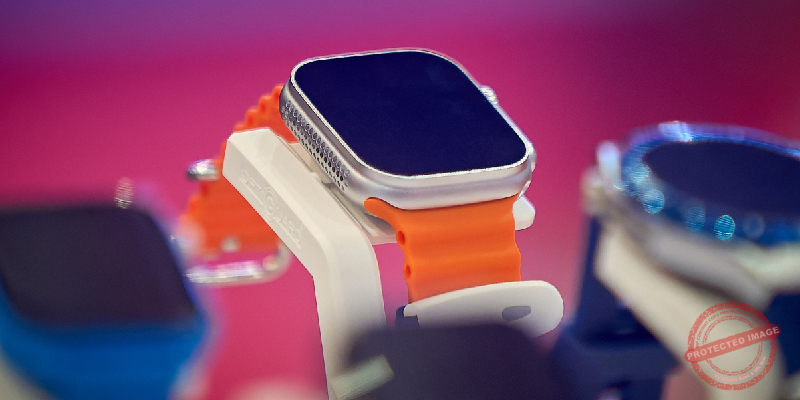
Experts say the challenge lies in accurately detecting glucose levels without penetrating the skin. Unlike heart rate monitoring, blood glucose measurement requires highly precise data, as even minor inaccuracies could lead to serious health consequences.
As research continues, industry observers expect future advances to focus on stronger integration between wearable devices, artificial intelligence and medical-grade monitoring systems. Until a breakthrough occurs, wearables are likely to serve as companions for glucose tracking rather than standalone blood sugar monitoring devices.
Social media Handles :
Instagram
Youtube
Facebook
Twitter
Also Read- Pune