South African Frogs Surprise Scientists with Unique Cloud-Like Nests Built in Trees
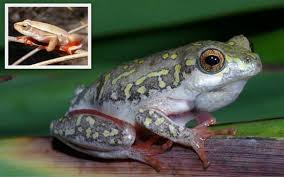
African Frog
Researchers have documented a remarkable frog species in South Africa that creates foam-like nests in trees, offering new insights into amphibian behavior, reproduction and adaptation in changing environments.
June 12, 2026 | Cape Town
Scientists studying amphibians in South Africa have shed new light on a fascinating reproductive strategy used by certain tree-dwelling frogs that build distinctive cloud-like nests among branches and vegetation. The discovery is drawing attention from researchers worldwide, highlighting the extraordinary diversity of survival techniques found in nature.
The frogs produce large foam nests that appear as white, fluffy masses suspended above ponds, wetlands or temporary water bodies. These structures serve as protective nurseries for developing eggs, shielding them from predators, harsh weather conditions and environmental disturbances. Once the eggs hatch, the tadpoles drop from the nests into the water below, where they continue their development.
Researchers say the foam nests are created through a coordinated process involving adult frogs mixing secretions with air to form a stable, moisture-rich environment. The structure helps maintain suitable conditions for embryonic growth while reducing the risk of dehydration during critical stages of development.
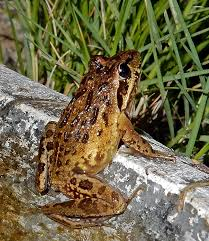
The nesting behavior is considered a remarkable evolutionary adaptation, allowing the frogs to increase the survival chances of their offspring. By positioning eggs above water rather than directly inside it, the species can avoid many aquatic predators that typically prey on amphibian eggs and larvae.
Scientists also note that these frogs play an important role in local ecosystems by contributing to insect population control and serving as indicators of environmental health. Because amphibians are highly sensitive to habitat changes, pollution and climate fluctuations, studying their behavior provides valuable information about broader ecological conditions.
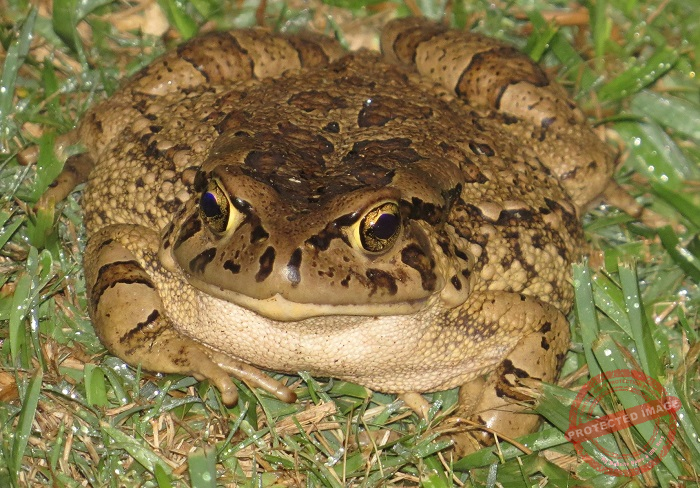
The findings have generated interest among conservationists who emphasize the need to protect wetland habitats and biodiversity-rich ecosystems across South Africa. Habitat degradation, urban expansion and climate-related challenges continue to threaten amphibian populations in many parts of the world.
Researchers hope that increased awareness of these unusual nest-building frogs will encourage greater appreciation for amphibian conservation and inspire further studies into the unique adaptations that allow wildlife to thrive in diverse environments.
Follow us On Our Social media Handles :
Instagram
Youtube
Facebook
Twitter
Also Read- Pune