How Tamil Nadu Separated Religion and Caste from Electoral Politics
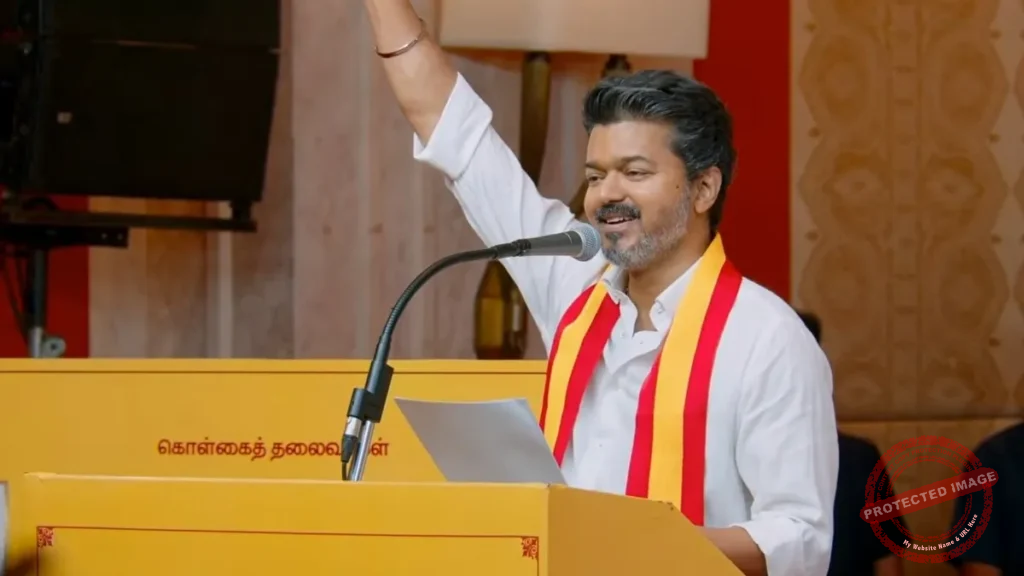
vijay
A distinctive political culture in Tamil Nadu has gradually reduced the direct influence of religion and caste in electoral discourse, fostering governance-focused campaigns and a stronger emphasis on social justice, welfare, and development.
A distinctive political culture in Tamil Nadu has gradually reduced the direct influence of religion and caste in electoral discourse, fostering governance-focused campaigns and a stronger emphasis on social justice, welfare, and development.
June 16, 2026 | Chennai
Tamil Nadu stands out in India’s political landscape for its long-standing efforts to reduce the overt role of religion and caste in electoral politics. Rooted in the social reform movements of the early twentieth century, the state’s political evolution has been shaped by a strong emphasis on rationalism, social justice, and inclusive governance.
Political observers note that the rise of the Dravidian movement fundamentally altered public discourse by challenging traditional hierarchies and advocating equal opportunities across communities. Over the decades, major political parties shifted their focus toward welfare schemes, education, healthcare, infrastructure, and economic development, often placing these issues at the center of election campaigns.
While caste identities and community affiliations continue to exist within society, Tamil Nadu’s political framework has generally discouraged overt religious polarization. Successive governments have promoted policies aimed at social inclusion, expanding access to education and public services for historically marginalized groups. These measures have contributed to broader participation in governance and public life.
Experts argue that the state’s political culture has also benefited from a highly aware electorate that frequently evaluates governments on their performance and delivery of welfare programs. As a result, electoral debates often revolve around employment, industrial growth, social security, and public infrastructure rather than religious narratives.
The state’s experience is increasingly cited as an example of how sustained social reform, investment in public welfare, and issue-based politics can reshape electoral priorities. Although challenges related to social inequality remain, Tamil Nadu’s political trajectory demonstrates how democratic institutions can encourage discussions centered on governance and development rather than identity-based divisions.
As political dynamics continue to evolve across India, Tamil Nadu remains a significant case study in balancing cultural diversity with a governance-oriented political approach.
Social media Handles :
Instagram
Youtube
Facebook
Twitter
Also Read- Pune