PMC Issues Notices to Four Ward Malaria Officers as Dengue Cases Surge in Pune
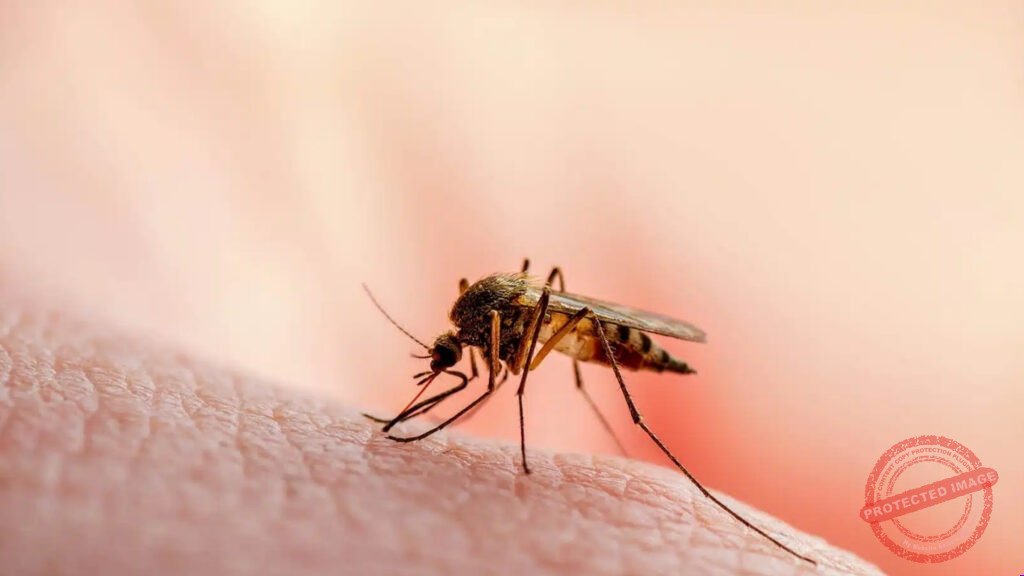
PMC Issues Notices to Four Ward Malaria Officers as Dengue Cases Surge in Pune
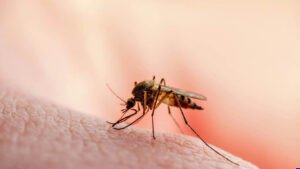
PMC has issued show-cause notices to four ward malaria officers amid a sharp rise in dengue and chikungunya cases across Pune.
Pune: The Pune Municipal Corporation (PMC) health department has issued show-cause notices to four ward malaria officers following a sharp rise in dengue and chikungunya cases across the city.
The notices have been issued to officers from the Kothrud, Nagar Road-Wadgaonsheri, Aundh-Baner and Dhankawadi-Sahakarnagar ward offices, which have reported a relatively high number of dengue cases.
Pune Records 2,391 Dengue Cases
According to PMC data, Pune recorded 2,391 dengue cases and 106 chikungunya cases between January 1 and September 30, 2026.
Dengue cases increased significantly during the monsoon, rising from 166 cases in June to 518 in July, 751 in August and 956 in September. September alone accounted for nearly 40% of the dengue cases recorded during the first nine months of the year.
Among PMC’s administrative wards, Kothrud recorded the highest number of dengue cases at 229, followed by Nagar Road-Wadgaonsheri with 222 and Aundh-Baner with 212. Dhankawadi-Sahakarnagar recorded 139 cases, while Yerawada-Kalas-Dhanori reported 137 cases.
Officers Asked to Explain Rise in Cases
The four officers have been asked to explain the reasons behind the rise in cases in their respective jurisdictions and detail the preventive measures undertaken.
Dr Rajesh Dighe, assistant health chief and head of PMC’s vector-borne disease control programme, said the officers were summoned to PMC headquarters and instructed to submit action-taken reports covering disease-control activities and daily monitoring.
PMC Intensifies Mosquito-Control Measures
The civic health department has directed officials to immediately implement outbreak-control measures wherever a surge in cases is detected.
These measures include house-to-house inspections within a five-kilometre radius, container surveys to identify mosquito breeding sites, fever surveys, spraying, malaria slide collection and fogging inside houses and surrounding areas.
Officials said that in the event of an outbreak, these activities are required to continue for 15 days.
Mosquito Breeding Found at PMC Godown
The PMC has also intensified measures in the Aundh-Baner area after 19 chikungunya cases were detected, including around 12 cases reported from a single housing society.
An entomological survey identified mosquito breeding at a PMC godown belonging to the anti-encroachment department. Officials found large quantities of material accumulated at the premises, creating conditions conducive to mosquito breeding.
The health department subsequently issued a notice to the godown authorities and directed them to remove the material and clean the premises. PMC teams also carried out biolarvicide application, spraying and fogging in the affected area.
Accountability Under Focus
The notices to the four ward malaria officers come as PMC steps up its response to the sharp increase in mosquito-borne diseases.
With dengue cases rising sharply during the monsoon, the civic administration is focusing on ward-level surveillance, elimination of mosquito breeding sites and faster implementation of preventive measures in areas reporting higher infections.
Social media Handles :
Instagram
Youtube
Facebook
Twitter
NewsDotz