State Government to Equip 2.8 Million Rural Homes with Solar Power Systems Under Housing Scheme Expansion
Government
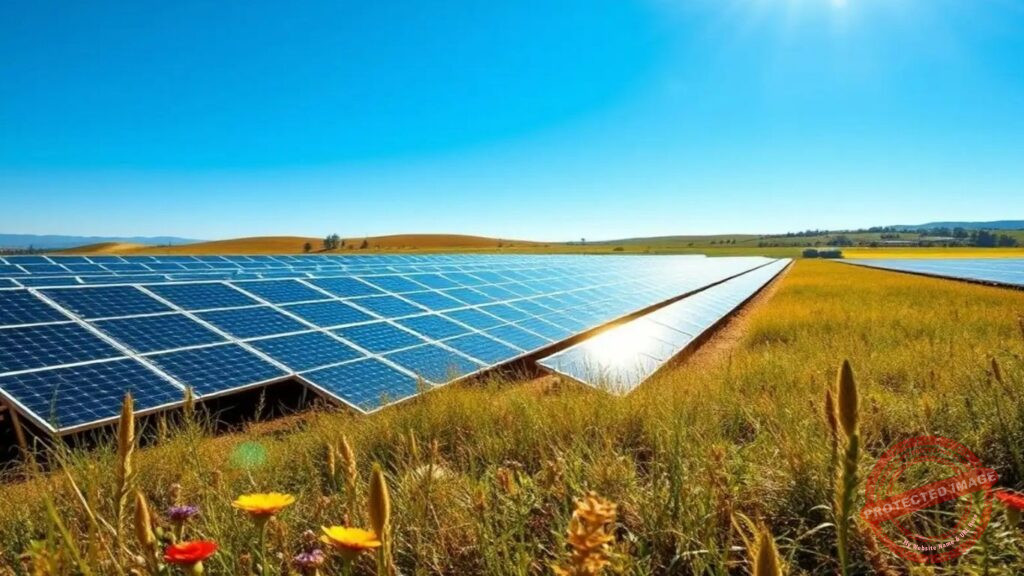
The Maharashtra government has announced a landmark green energy policy to install 1 kW solar power systems across 2.8 million low-income rural households, providing an additional 50,000 rupee subsidy per beneficiary
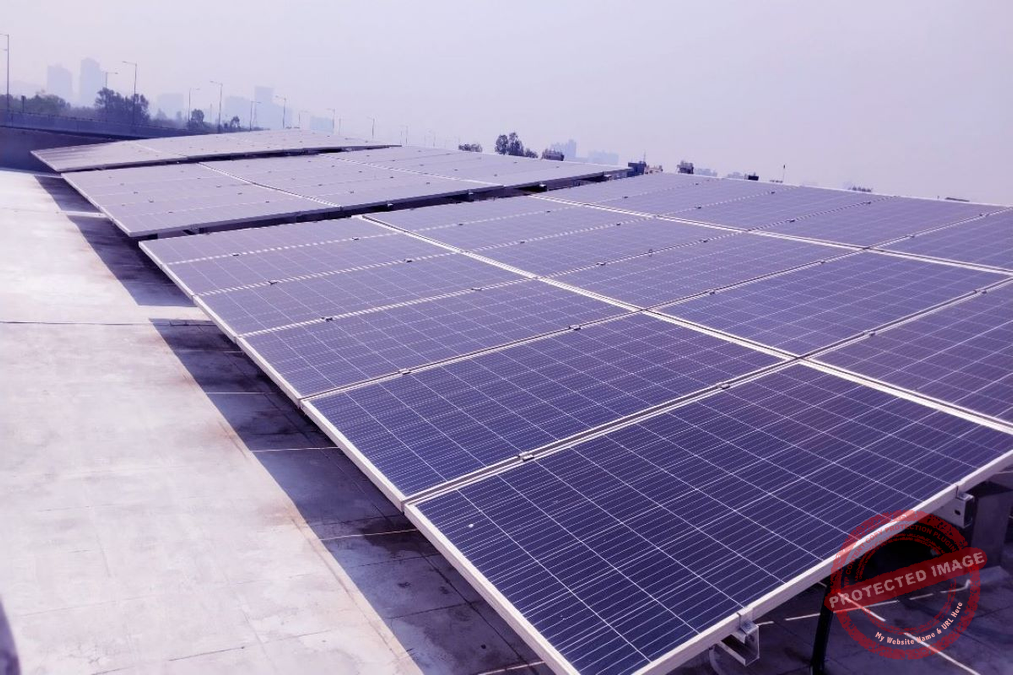
SATARA | May 28, 2026: In a sweeping policy initiative aimed at transforming the rural energy landscape, the Maharashtra state government has integrated a massive renewable energy drive with its public housing matrix. Under the expansion of the Pradhan Mantri Awas Yojana (Gramin) phase two and the 2024–25 allocation cycle, the administration will deploy 1-kilowatt capacity solar power systems directly onto the roofs of 2,785,819 subsidized rural homes across the state.
Currently, the joint central and state housing framework provides a base construction subsidy of 120,000 rupees to eligible beneficiaries. To bridge the clean energy divide, the state government has approved an additional direct fiscal top-up of 550 million rupees, granting 50,000 rupees extra per household. Out of this additional grant, 35,000 rupees is designated for supplementary structural enhancements to the housing units, while 15,000 rupees is strictly earmarked for the installation of the solar array under the Surya Ghar architecture.
Eknath Davale, Principal Secretary of the Rural Development and Panchayati Raj Department, has finalized the district-wise deployment blueprint. To maintain institutional transparency and prevent leakages, the state will disburse the newly sanctioned subsidy amounts only after field inspectors verify that the solar equipment is fully functional and generating power on-site. Districts with heavy rural concentrations such as Nanded, Yavatmal, Beed, and Nashik will receive the largest allocation of units.
Senior policy advisors noted that this unified strategy effectively addresses grid instability in remote hinterlands. By linking affordable housing with independent green energy generation, the state significantly slashes recurring electricity bills for vulnerable rural families while accelerating the transition to localized smart grids. The move has been widely welcomed by regional cooperative networks as a definitive step toward self-reliant rural development.
Social media Handles :
Instagram
Youtube
Facebook
Twitter
Also Read- Pune