Water Quota Expired but Koyna Power Generation Set to Continue Uninterrupted via Special Ministry Interventions
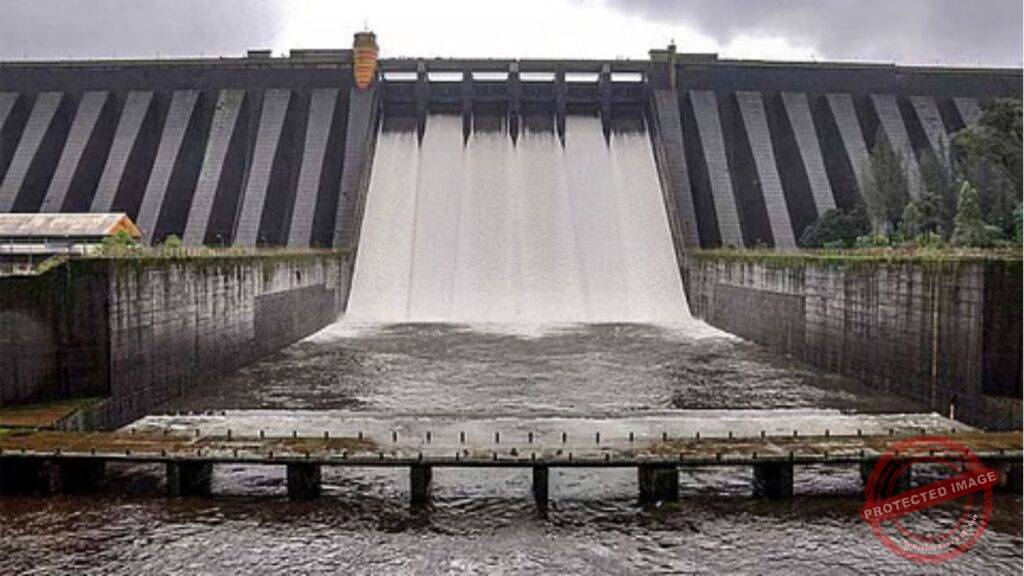
Water
Despite exhausting its designated western hydro-generation water quota, Maharashtra’s vital Koyna Dam retains a sufficient reserve of 11.30 TMC to satisfy regional irrigation and emergency power needs through June
May 29, 2026 | Patan: The western hydroelectric generation water quota allocated by the water tribunal for the Koyna Dam frequently referred to as the lifeline of Maharashtra has officially concluded for the seasonal cycle. However, extensive administrative movements are currently underway at the ministerial level to sanction the utilization of an additional live water storage reserve. The reservoir currently holds a functional live stock of 11.30 TMC, which engineering authorities confirm is entirely adequate to sustain both local agricultural irrigation and critical power generation grids until the end of June.
Historically, the state administration has repeatedly granted special clearances for deploying additional water reserves under similar dry-spell conditions, and top officials indicate a matching executive approval will be issued shortly. Experts from the hydro-power sector emphasize that completely shutting down the massive generation complex abruptly is neither logistically viable nor technically feasible. Consequently, electricity generation will continue running at optimized, regulated capacities to maintain grid stability despite the depletion of the primary dedicated quota.
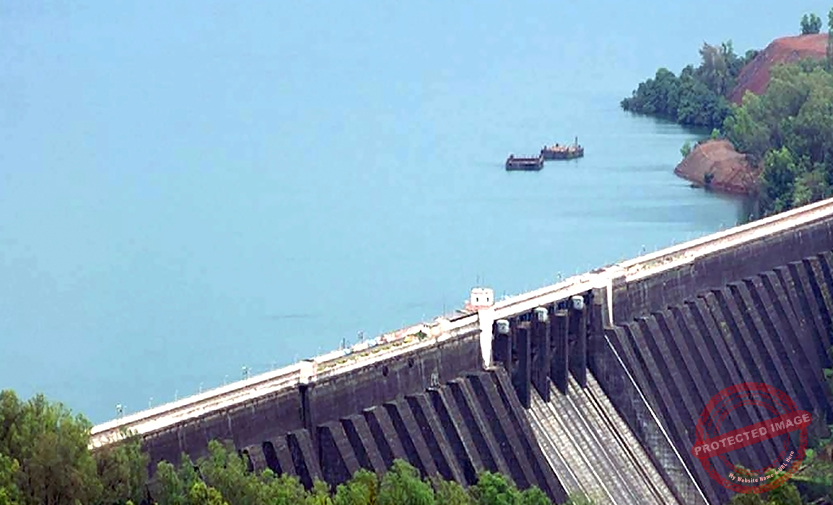
Statistically, the Koyna reservoir, which possesses a total structural holding capacity of 105.25 TMC, recorded a massive aggregate inflow of approximately 188.45 TMC during the preceding monsoon season. Cumulative distribution data reveals that 67.48 TMC was utilized for western power generation, 32.87 TMC was channeled eastward for agricultural irrigation, 14.53 TMC passed during peak flood control management, and 6.91 TMC was drawn through emergency slice gates. While dropping demand from the Sangli irrigation division prompted a temporary closure of the emergency spillway gates, a significant volume of 64.67 TMC was safely discharged without consumption earlier in the cycle.
Furthermore, project administrators have dismissed immediate anxieties regarding El Niño patterns or the meteorological department’s forecast of a ninety-two percent average rainfall dip. Given that typical monsoon seasons yield between 180 to 200 TMC of natural inflow frequently forcing the unutilized release of 50 to 60 TMC due to strict storage limitations the projected marginal rainfall deficit will not compromise future irrigation cycles or basic power generation requirements.
Social media Handles :
Instagram
Youtube
Facebook
Twitter
Also Read- Pune