Chandra Grahan on Holi 2026: Timings, Sutak Kaal, Blood Moon Visibility and Holi Ritual Impact
Chandra
A rare lunar eclipse (Chandra Grahan) will occur on Holi 2026; know its timing, Sutak Kaal, visibility in India and how it may affect Holika Dahan rituals.
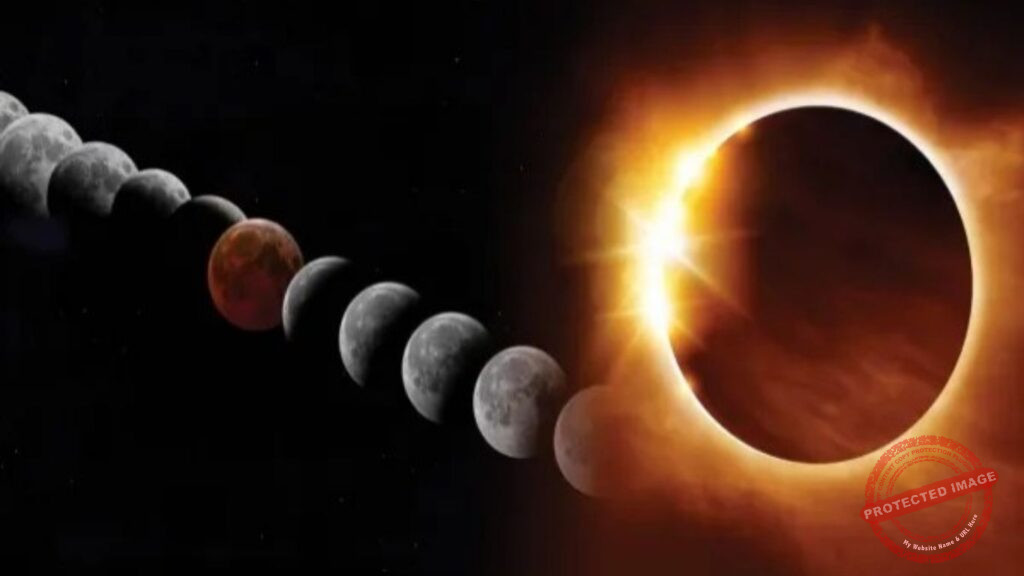
Pune |03 March 2026: In 2026, a rare Chandra Grahan (lunar eclipse) will coincide with the Hindu festival of Holi, creating a unique astronomical and cultural event. The eclipse is scheduled for March 3, 2026, coinciding with Phalguna Purnima, the full moon day traditionally observed for Holi and Holika Dahan celebrations. The lunar eclipse is expected to begin around 3:20 PM IST and continue through the late afternoon and early evening, concluding at approximately 6:47 PM IST. During the eclipse’s totality, the Moon may appear reddish in colour, a phenomenon popularly called the Blood Moon.
A significant aspect of lunar eclipses in Hindu tradition is the Sutak Kaal, an inauspicious period that typically starts several hours before the eclipse begins. For this event, Sutak Kaal will commence in the morning hours, about nine hours before the eclipse, during which rituals and new beginnings are traditionally avoided. Families often consult local panchang (Hindu almanac) guidelines to determine the appropriate timing for ceremonies, particularly Holika Dahan, to ensure rituals are performed at auspicious moments outside Sutak Kaal.
Visibility of the eclipse will vary across India. In central and western regions, the Moon is expected to rise already partially eclipsed, allowing observers to see the latter stages, including the reddish hue of totality. In northeastern states, the Moon rises earlier, enabling residents to view more of the eclipse, including longer phases of totality. Astronomers confirm that lunar eclipses are safe to observe with the naked eye, unlike solar eclipses, and enthusiasts are encouraged to watch the Moon after moonrise when the eclipse is underway.
The coincidence of Chandra Grahan with Holi has prompted families to plan celebrations carefully. Some rituals, such as Holika Dahan, may be scheduled before Sutak Kaal begins or after the eclipse ends, depending on regional customs and advice from local astrologers. Observers are advised to follow traditional guidelines if they wish to align religious activities with auspicious timings while also enjoying the rare celestial spectacle.
In conclusion, Holi 2026 offers a unique combination of astronomical and cultural significance. With the Chandra Grahan occurring during the day, families will adjust Holika Dahan and other rituals around Sutak Kaal, while skywatchers can enjoy the visually striking Blood Moon. This rare alignment of festival and lunar eclipse makes March 3, 2026, a memorable day for both devotees and astronomy enthusiasts across India.
Follow us On Our Social media Handles :
Instagram
Youtube
Facebook
Twitter
Also Read- Pune