Successor to Iran’s Supreme Leader Ali Khamenei Finalized, Official Name Yet to Be Announced
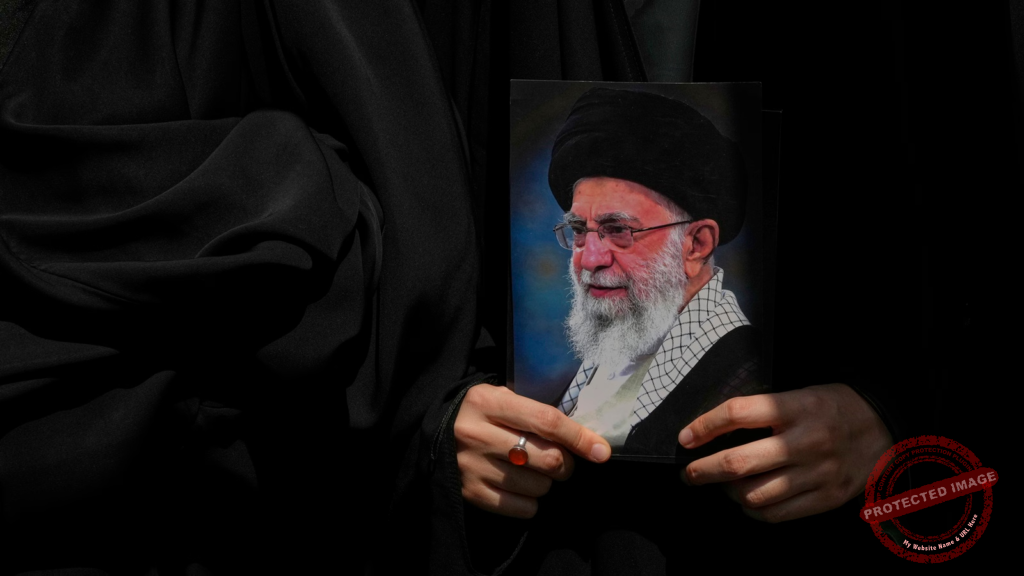
Ali Khamenei
Iran’s powerful clerical leadership body has reportedly selected the successor to Supreme Leader Ali Khamenei, but authorities have not yet publicly disclosed the name, keeping the country and global observers waiting.
Tehran, March 9, 2026: Iran’s influential clerical establishment has reportedly finalized the successor to the country’s Supreme Leader, Ali Khamenei, though officials have not yet publicly revealed the name of the individual chosen for the powerful position. The development marks a significant moment in the political landscape of the Islamic Republic, where the Supreme Leader holds ultimate authority over state affairs.
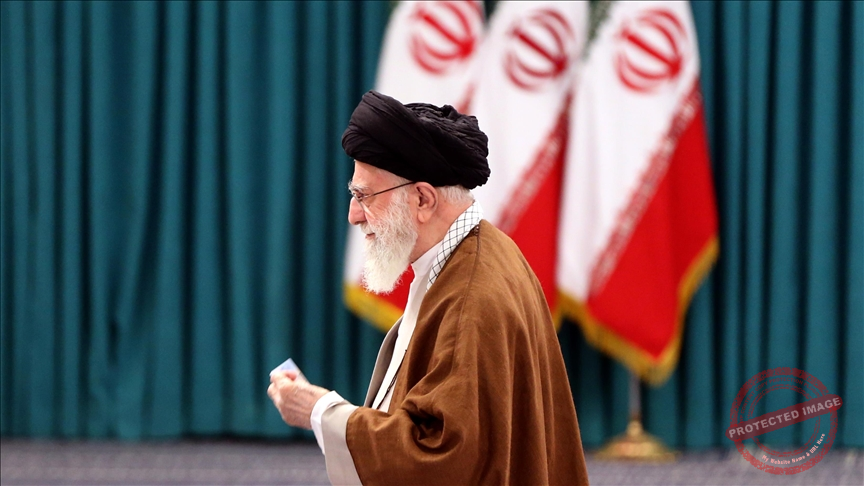
According to reports emerging from political and media circles in Iran, the decision was taken by the Assembly of Experts, the constitutional body responsible for appointing and supervising the Supreme Leader. Members of the assembly are said to have concluded internal consultations and voting procedures to determine the next leader. However, the official announcement is expected only after certain formalities and internal processes are completed.
The position of Supreme Leader is the highest authority within Iran’s political system. The leader exercises extensive control over the country’s military, judiciary, state media, and key institutions. The role also carries significant influence over foreign policy, national security strategies, and ideological direction of the state.
Ali Khamenei has served as Iran’s Supreme Leader since 1989, following the death of the country’s founding leader Ruhollah Khomeini. Over the past several decades, Khamenei has played a central role in shaping Iran’s political structure and its relations with the international community.
Although authorities have confirmed that a successor has been selected, the delay in announcing the name has led to speculation among political observers and analysts both within Iran and internationally. Several figures from Iran’s clerical and political establishment have been discussed in political circles as potential candidates, although officials have not confirmed any individual.
Analysts say the leadership transition is one of the most important developments for Iran in recent years. The identity of the next Supreme Leader is expected to influence the country’s future domestic governance, its approach to regional geopolitics, and relations with global powers.
The selection process conducted by the Assembly of Experts typically involves consultations among senior clerics and a formal vote by members of the body. Once a candidate receives sufficient support, the decision is finalized and later announced publicly.
Observers note that the secrecy surrounding the process is not unusual, as leadership deliberations in Iran’s clerical system are often conducted behind closed doors. Officials generally release information only after consensus is achieved and procedural steps are completed.
Meanwhile, international governments and diplomatic observers are closely monitoring the developments, as any change in Iran’s top leadership could have implications for the country’s strategic policies and its engagement with the global community.
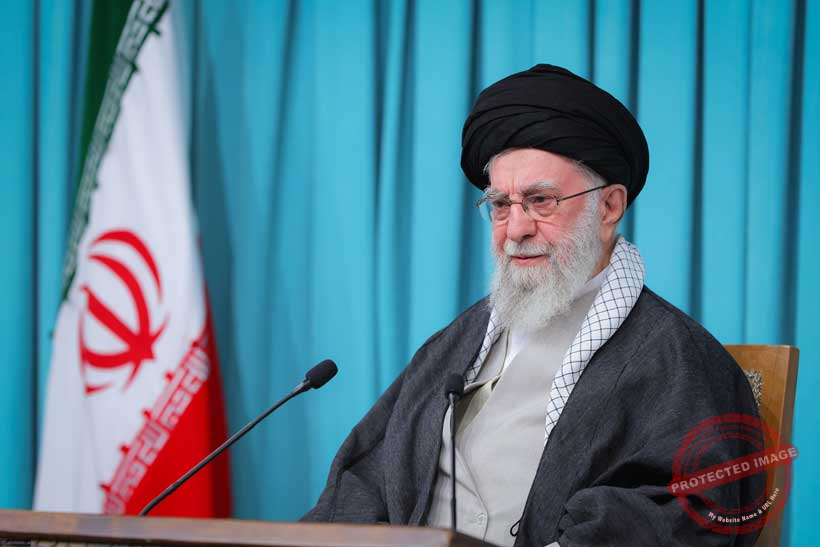
Authorities in Tehran have indicated that the formal announcement of the new Supreme Leader may be made soon, after which the chosen leader will assume one of the most influential political and religious roles in the Middle East.
Iran’s leadership transition remains a closely watched development, with citizens, political observers, and foreign governments awaiting confirmation of the individual who will guide the country’s future direction.
Follow us On Our Social media Handles :
Instagram
Youtube
Facebook
Twitter
Also Read- Pune