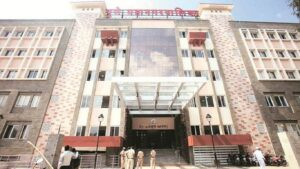
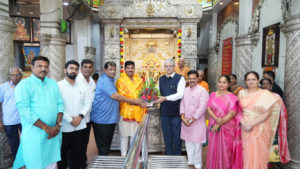
District Administration Plans Relocation of Houses Near Bhimashankar Temple; 10 Acres Proposed for Rehabilitation
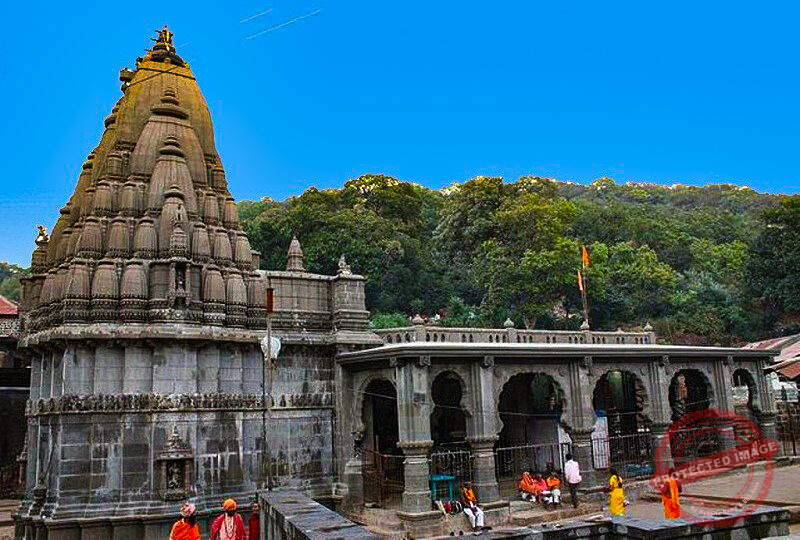
Bhimashankar Temple,
Pune district administration proposes relocation of houses near Bhimashankar Temple to ensure safety and conservation, with 10 acres of land planned for rehabilitation.
Pune | March 12, 2026:The district administration in Pune is planning a major relocation initiative for residents living close to the Bhimashankar Temple, one of Maharashtra’s most revered pilgrimage sites. According to officials, around 110 houses located near the temple premises may be relocated as part of a broader plan to improve infrastructure, manage the growing number of devotees, and protect the ecologically sensitive area surrounding the shrine.
Authorities have identified around 10 acres of land where affected residents could be rehabilitated. The relocation plan is still under discussion and will involve consultations with villagers, local representatives, and environmental experts before any final decision is implemented.
Located in the Sahyadri hills of Pune District, the Bhimashankar Temple is one of the twelve Jyotirlinga shrines dedicated to Lord Shiva, attracting thousands of pilgrims every year. The temple is situated within the Bhimashankar Wildlife Sanctuary, a biodiversity-rich forest area known for its unique flora and fauna.
Over the past decade, the number of visitors to the temple has increased significantly, especially during festivals such as Mahashivratri, Shravan month, and weekends. The rising footfall has created challenges for local infrastructure, including narrow access roads, limited parking, and safety concerns in the temple vicinity.
Officials say the presence of residential structures very close to the temple complex also complicates crowd management and emergency response during peak pilgrimage periods.
Under the proposed plan, the district administration intends to shift houses located in the immediate vicinity of the temple to a designated rehabilitation site. The aim is to create more open space around the shrine, improve pedestrian movement, and ensure better security for pilgrims.
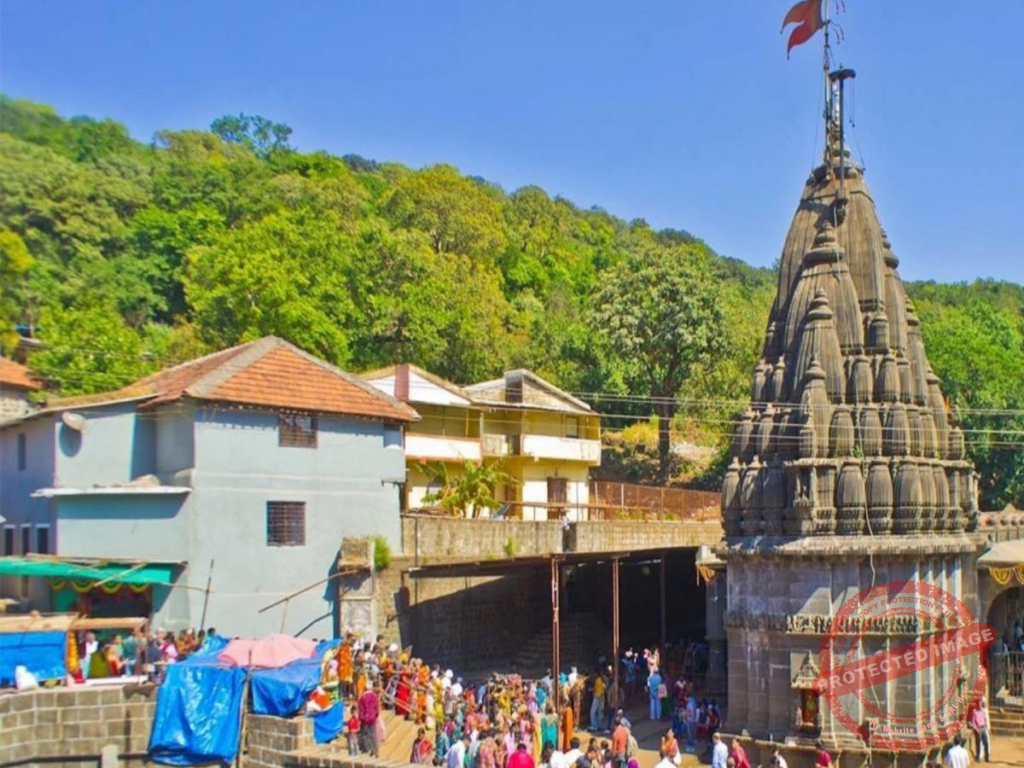
The proposed relocation area, covering approximately 10 acres, will be developed with basic civic amenities such as roads, water supply, electricity, and sanitation facilities. Authorities have indicated that the rehabilitation site will be located close enough to ensure that local residents can maintain their livelihoods and social connections.
A senior district official explained that the proposal is still in the preliminary stage. “Our priority is to ensure that residents are not adversely affected. The rehabilitation plan will only move forward after detailed consultations with villagers and after addressing their concerns,” the official
The temple’s location within the Bhimashankar Wildlife Sanctuary adds another layer of complexity to development planning. Environmental experts emphasize that any infrastructure expansion must be carefully designed to avoid damage to the fragile ecosystem.
The sanctuary is home to several rare species, including the Indian Giant Squirrel, Maharashtra’s state animal. Increased tourism and unplanned construction have raised concerns about habitat disruption and waste management.
Urban planners say that relocating houses away from the immediate temple area could help reduce environmental pressure while enabling better visitor facilities and crowd management.
Residents living near the temple have expressed mixed reactions to the proposal. While some are open to relocation if proper compensation and housing facilities are provided, others are worried about losing proximity to their traditional homes and livelihoods tied to tourism.
Local community leaders have demanded transparency in the process and adequate compensation for affected families. They also want assurances that rehabilitation homes will be built with proper infrastructure and access to local markets, schools, and healthcare services.
If implemented successfully, the relocation plan could transform the temple precinct by improving safety, sanitation, and visitor management. Officials believe the move could pave the way for better infrastructure development around the temple, including wider pathways, improved parking areas, and organized vendor zones.
Experts say that well-planned redevelopment could also enhance the overall pilgrimage experience for visitors while protecting the cultural and ecological significance of the region.
The proposal to relocate houses near the Bhimashankar Temple represents a balancing act between heritage conservation, environmental protection, and the needs of local residents. As discussions between authorities and villagers continue, the success of the plan will depend on transparent decision-making, fair rehabilitation measures, and careful environmental planning.
Follow us On Our Social media Handles :
Instagram
Youtube
Facebook
Twitter
Also Read- Pune