Bombay High Court Questions Inclusion of Clerk and Constable in Court Security Audit Committees
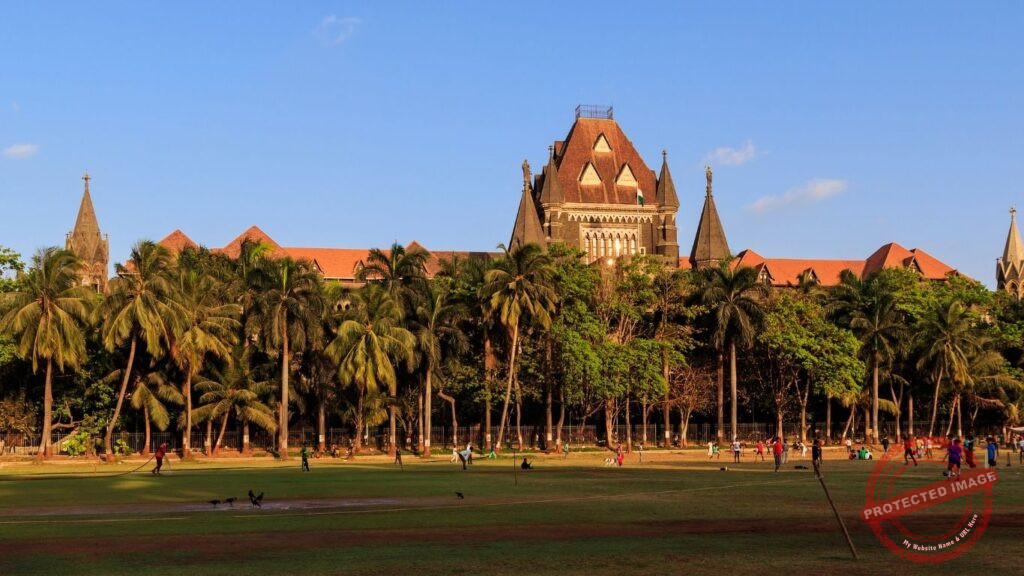
Bombay
Bombay High Court questions appointment of clerk and constable in Nagpur court security audit committee, noting inconsistent composition across regions and seeking explanation and uniform policy from police authorities concerned.
A Nagpur | 05 May 2026: A suo motu public interest litigation initiated after reported theft incidents at the residence of judges and staff quarters in Amravati has prompted the Bombay High Court to scrutinise the manner in which court and residential security audit committees are being constituted across different regions of Maharashtra. During a hearing before the Nagpur bench comprising Justice Anil Kilor and Justice Raj Wakode, the court examined an affidavit filed by the police regarding the formation of such committees.
It was brought on record that while Mumbai has an 11-member committee including the court registrar and senior police officers, the Aurangabad bench has constituted a 16-member panel with representation from the Bar Association, police, and public works department officials. In contrast, the Nagpur committee was noted to include a deputy commissioner of police along with other lower-ranking officers, as well as a court clerk and a constable, which the bench questioned during the proceedings. The judges raised concerns over why lower-ranking personnel were assigned to such committees in Nagpur when higher-level officers were part of similar bodies in Mumbai and Aurangabad.
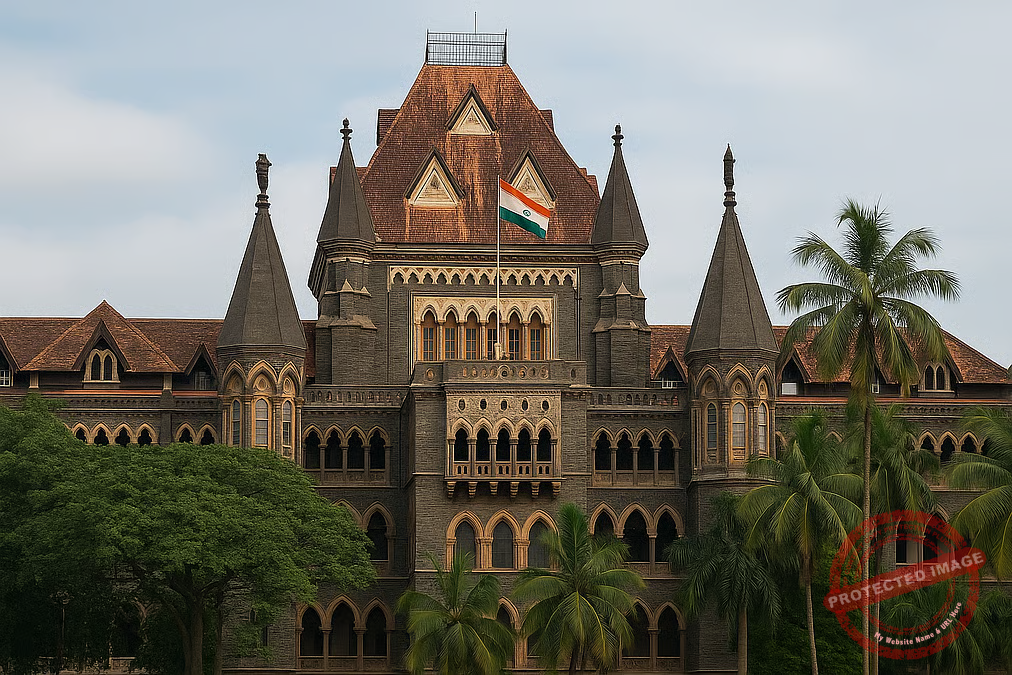
It was specifically questioned how clerical staff and constables could effectively contribute to technical security assessment and audit functions within court premises. The court also expressed dissatisfaction over the absence of uniform guidelines governing the frequency and composition of security inspections across different benches. According to submissions, Mumbai courts had conducted four security audits in the previous year, whereas Nagpur reported inspections in May 2025 and February 2026. Taking note of these discrepancies, the bench directed the police to submit a detailed affidavit clarifying the rationale behind committee formation and operational variations. During the hearing, the court emphasised that security of judicial premises and residences requires a consistent institutional framework and professional expertise, particularly given the sensitivity of judicial functioning and recent incidents prompting judicial scrutiny.
The bench observed that any deviation from structured standards could lead to operational gaps and therefore sought clarification on whether a uniform state-wide policy was under consideration by the authorities.
Follow us On Our Social media Handles :
Instagram
Youtube
Facebook
Twitter
Also Read- Pune