WHO Issues Global Hantavirus Warning: 12 Countries on High Alert
WHO
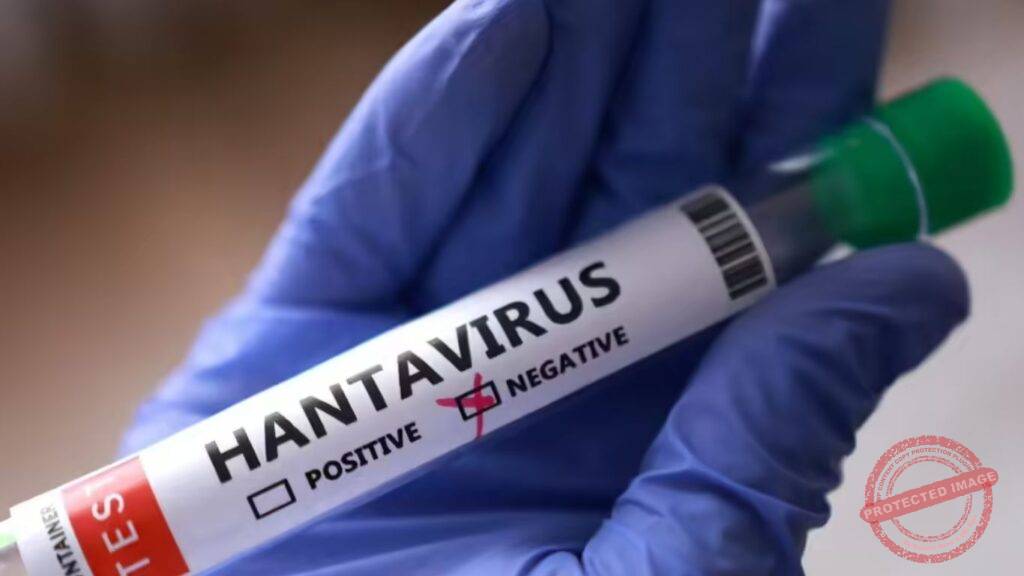
The World Health Organization (WHO) has officially placed 12 nations on high alert following a spike in Hantavirus cases, stressing heightened vigilance on cruise ships while distinguishing the threat from the COVID-19 pandemic
Geneva | 08 May 2026: The World Health Organization (WHO) has issued a critical global health notice after confirming Hantavirus clusters across 12 different countries. While the organization was quick to clarify that this is “not another COVID-19,” the high mortality rate associated with the virus has triggered immediate international concern. Public health departments are being urged to implement rigorous monitoring, with a specific focus on the maritime industry and international cruise liners, where recent infection risks have been identified.
Unlike the airborne transmission that defined the Coronavirus pandemic, Hantavirus is a zoonotic disease. It is primarily transmitted to humans through direct contact with the urine, feces, or saliva of infected rodents. While human-to-human transmission is considered extremely rare, the virus remains dangerous due to its rapid progression into Hantavirus Pulmonary Syndrome (HPS). This condition can lead to severe respiratory failure, fluid buildup in the lungs, and in some cases, acute kidney distress.

Key Distinctions and Global Risk Assessment:
- Transmission Mechanics: WHO experts emphasize that the virus does not spread easily through casual human contact. Most cases are linked to the inhalation of aerosolized particles from rodent waste in confined spaces like storage units, rural cabins, or ship holds.
- Symptom Severity: Initial symptoms often mimic the flu fever, muscle aches, and fatigue but can quickly escalate to sudden shortness of breath.
- Mortality vs. Contagion: While COVID-19 had a much higher infection rate, Hantavirus is statistically more lethal for those who contract it, necessitating immediate medical intervention upon the first sign of symptoms.
The WHO has advised 12 notified nations to maintain intensive rodent control programs and to educate travelers on avoiding high-risk environments. Although the outbreak is currently described as “limited” and “contained,” health officials warned that as global travel continues to stabilize, localized cases may continue to emerge, requiring a sustained and vigilant public health response.
Follow us On Our Social media Handles :
Instagram
Youtube
Facebook
Twitter
Also Read- Pune