Iran, Oman Discuss New Strait of Hormuz Shipping Payment Mechanism Despite US Warnings
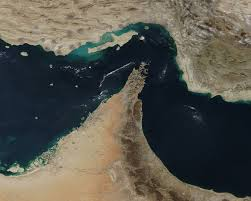
Strait of Hormuz
Iran and Oman are reportedly discussing a new maritime payment framework for ships crossing the Strait of Hormuz, raising fresh geopolitical and global trade concerns amid ongoing regional tensions.
May 22, 2026 | Dubai
Iran is reportedly in discussions with Oman over establishing a new payment and security mechanism for commercial vessels passing through the strategically crucial Strait of Hormuz, a move that has triggered strong reactions from the United States and global shipping observers.
According to reports, the proposed system could formalise transit-related payments and shipping coordination procedures in the waterway, through which nearly one-fifth of the world’s oil and natural gas supplies typically pass during normal conditions.
The development comes amid heightened instability in the Gulf region following months of tensions involving Iran, the United States and Israel. Shipping activity through the Strait of Hormuz has already dropped sharply in recent months due to security concerns, vessel restrictions and ongoing geopolitical uncertainty.
US officials have strongly opposed any payment or toll-based arrangement linked to Iran’s control over maritime transit in the region. US Secretary of State Marco Rubio recently warned that implementing such a system could severely damage diplomatic negotiations with Tehran and would likely be viewed internationally as a threat to freedom of navigation.
Reports also suggest Washington has warned shipping firms they could face sanctions if they make direct or indirect payments linked to Iranian transit demands in the Strait of Hormuz.
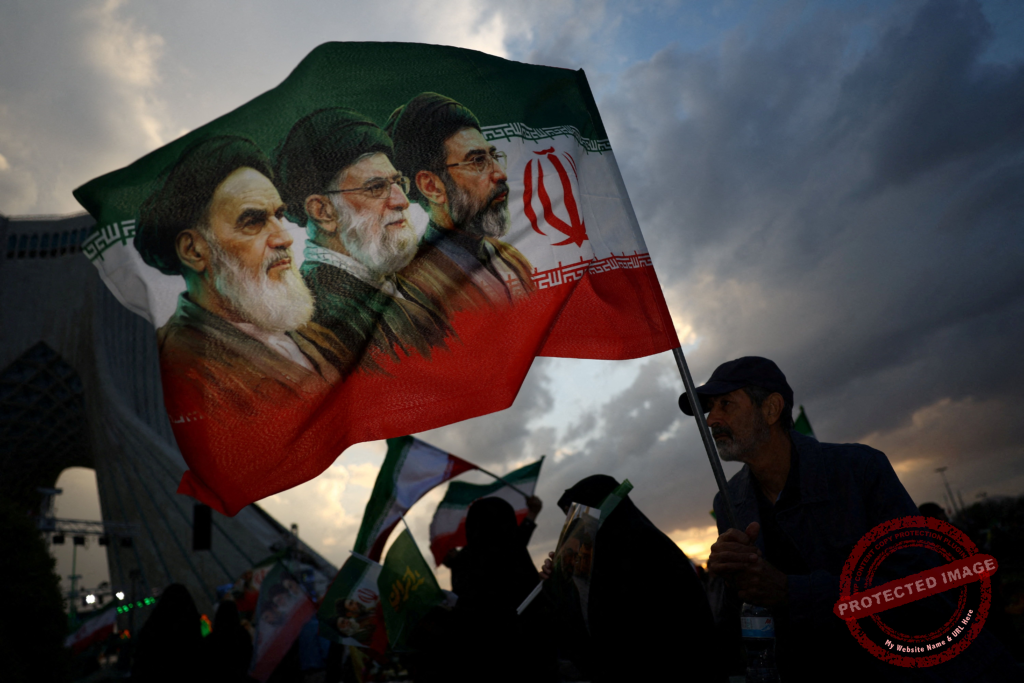
Meanwhile, Iran has reportedly been attempting to establish broader regulatory influence over maritime traffic through mechanisms involving security clearances, vessel coordination and transit approvals. Analysts believe any long-term restructuring of shipping rules in Hormuz could significantly impact global oil prices, energy supply chains and international trade routes.
The Strait of Hormuz remains one of the world’s most sensitive energy chokepoints, linking the Persian Gulf with international shipping lanes. Continued uncertainty in the region has already contributed to rising crude oil prices and growing fears of global inflationary pressure.
Diplomatic observers say Oman’s role will remain critical as international powers closely monitor whether the proposed mechanism evolves into a formal regional maritime arrangement or remains part of ongoing negotiations.
Social media Handles :
Instagram
Youtube
Facebook
Twitter
Also Read- Pune