Oil Prices Surge as Iran Announces Closure of Strait of Hormuz After US Strikes
oil prices
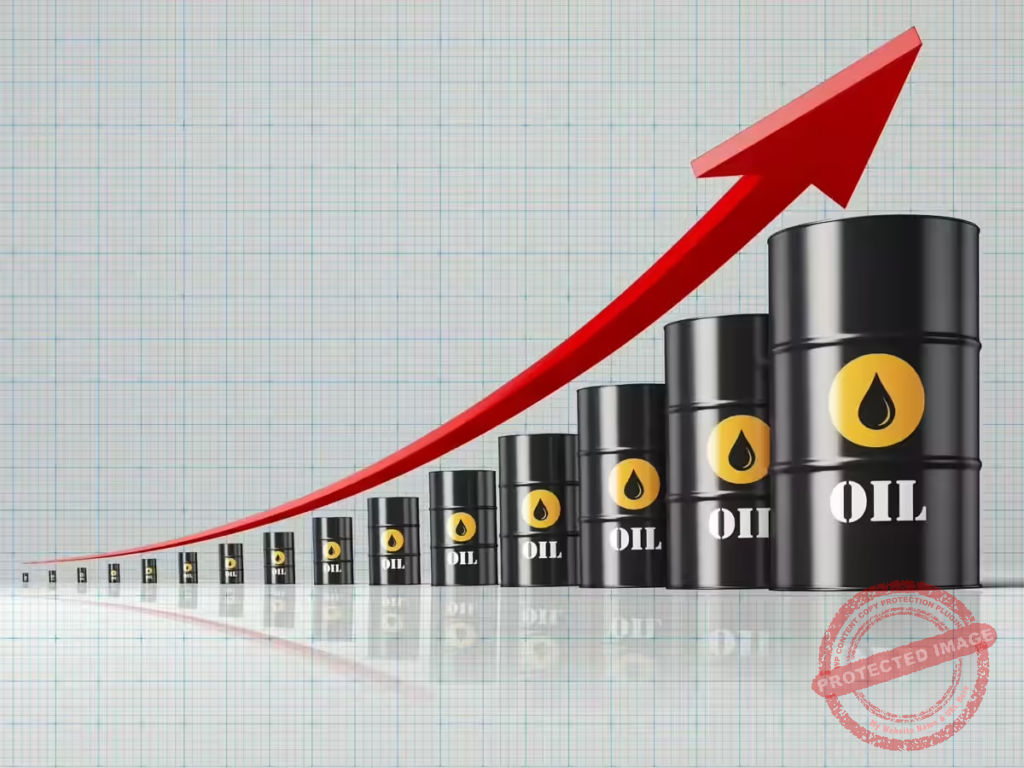
Global oil markets rallied sharply after Iran declared the closure of the Strait of Hormuz following fresh US military strikes, raising fears of a major disruption to global energy supplies and intensifying geopolitical tensions across the Middle East.
June 11, 2026 | Tehran
Crude oil prices climbed significantly on Thursday after Iran announced the closure of the strategically vital Strait of Hormuz in response to fresh US military strikes on Iranian targets. The development triggered fresh concerns over global energy security and sent benchmark oil prices soaring to multi-month highs.
Brent crude futures rose to nearly $95 per barrel, while US West Texas Intermediate (WTI) crude also recorded strong gains amid fears that one of the world’s most important energy transit routes could face prolonged disruption. The sharp rally reflected growing uncertainty among investors and traders over the stability of oil supplies from the Gulf region.
Iran’s top military leadership reportedly declared the Strait of Hormuz closed to oil tankers and commercial vessels, warning that any attempt to pass through the waterway could face military action. However, US military officials maintained that commercial shipping activity was continuing in the region despite the heightened tensions.
The latest escalation follows a series of US strikes targeting Iranian military infrastructure, including surveillance systems, communication networks and air defence facilities. The strikes marked another significant chapter in the ongoing confrontation between Washington and Tehran, further unsettling global markets.
The Strait of Hormuz remains a critical maritime chokepoint through which nearly one-fifth of the world’s oil and gas supplies pass. Any threat to its operations is closely monitored by energy markets due to its potential impact on global fuel prices and economic stability.
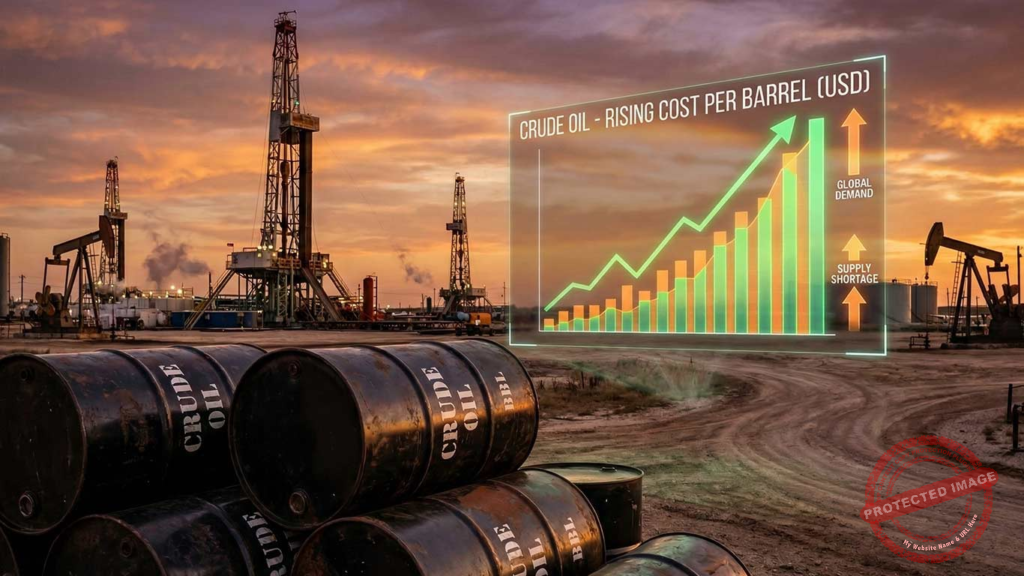
Adding to bullish sentiment in the oil market, recent data showed a larger-than-expected decline in US crude inventories. Analysts believe the combination of tightening supplies and geopolitical risks could keep oil prices elevated in the near term if tensions continue to escalate.
Market participants are now closely watching diplomatic and military developments in the region, with concerns that any further disruption could have far-reaching consequences for global trade, inflation and energy markets.
Social media Handles :
Instagram
Youtube
Facebook
Twitter
Also Read- Pune