Sleeping Too Little Can Harm Brain and Body, Experts Warn After Sadhguru-Alia Bhatt Discussio

Sadhguru
Experts warn that chronic sleep deprivation can damage memory, immunity, and heart health, despite Sadhguru’s low-sleep routine, stressing adults need 7-9 hours for proper brain and body functioning.
New Delhi | April 16, 2026:
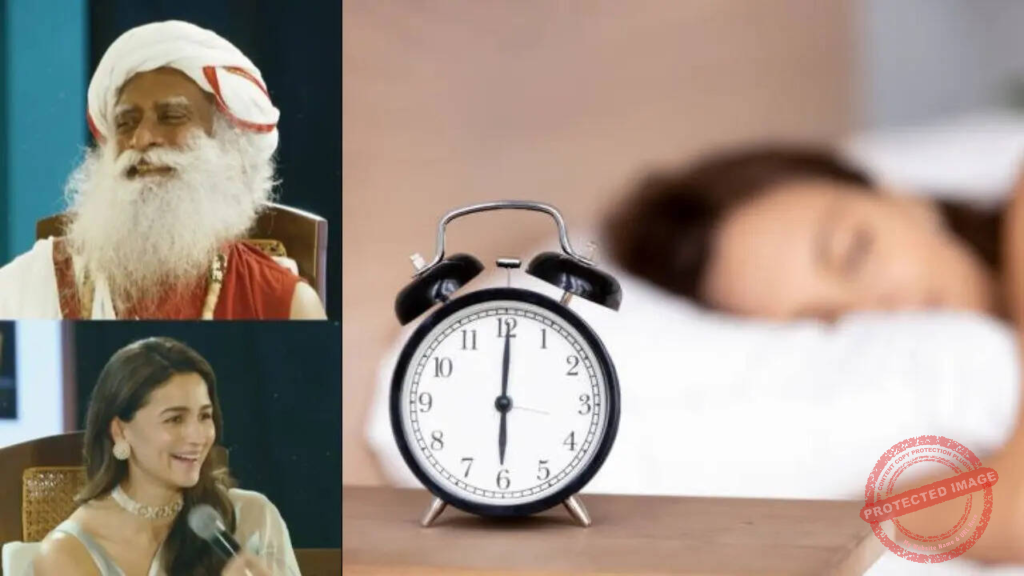
A recent interaction between Sadhguru and Alia Bhatt has reignited discussions around sleep patterns and their impact on health, with medical experts cautioning against consistently getting insufficient sleep.
During the conversation, Sadhguru revealed that he has historically functioned on very little sleep-around two-and-a-half to three hours for several years, and currently about four to five hours a day. His remarks, however, have drawn attention from health professionals who emphasize that such sleep patterns are not suitable for most people.
According to medical experts, the human body requires adequate rest to maintain optimal functioning. Most adults are recommended to get between 7 to 9 hours of sleep each night to support brain health, immunity, and overall well-being.

Doctors warn that regularly sleeping for shorter durations can lead to a wide range of health issues. Chronic sleep deprivation has been linked to impaired memory, reduced concentration, mood disturbances, and weakened immunity. It can also increase the risk of serious conditions such as high blood pressure, diabetes, obesity, and heart disease.
Experts further explain that sleep is a critical period during which the brain performs essential functions, including memory consolidation, emotional regulation, and toxin removal. Even if individuals feel they have adapted to less sleep, studies indicate that the brain often underestimates its own fatigue, leading to reduced cognitive performance over time.
Neurologists also highlight that insufficient sleep affects decision-making ability, reaction time, and emotional stability. Over time, this can impact productivity, mental health, and quality of life.
The discussion also touched upon the difference between perceived efficiency and biological necessity. While a small percentage of individuals may function on less sleep due to genetic factors, experts stress that such cases are rare and should not be considered a general benchmark.
Sadhguru’s perspective focused on lifestyle and mental balance, suggesting that reduced stress and efficient energy use may decrease the need for longer sleep. However, medical professionals caution that there is no strong scientific evidence supporting the idea that most people can sustain good health on just four to five hours of sleep.
Health experts advise maintaining consistent sleep routines, limiting screen exposure before bedtime, and prioritizing sleep hygiene to ensure restorative rest. They emphasize that sleep is not a luxury but a biological necessity essential for long-term health.
As the debate continues, the consensus among medical professionals remains clear-adequate sleep is vital, and consistently cutting down on rest can have serious consequences for both physical and mental health.
Follow us On Our Social media Handles :
Instagram
Youtube
Facebook
Twitter
Also Read- Pune