Tetanus Vaccine Shortage at Major Pune Hospital Leaves Patients Stranded

Patients at a civic hospital in Pune are being asked to buy tetanus injection outside after the facility ran out of stock, highlighting a public health gap.
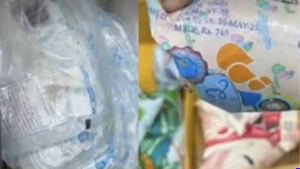
Pune|November 29, 2025: A serious shortage of tetanus-diphtheria (TD) vaccine doses at a municipal hospital in Pune has forced injured patients to purchase their own shots from private pharmacies. Over the past five days, the hospital has reported zero available doses, meaning patients with wounds, animal bites or infections must cover the cost themselves or risk incomplete treatment. One 17-year-old visiting the facility after a hand injury was told to obtain the tetanus shot from a private store. Activists report multiple similar cases where three or four patients at a time were turned away for the vaccine.
Hospital officials say the shortfall began when about 200 doses were used during a sanitation staff drive, and follow-up supplies were delayed despite requests. The hospital’s medical superintendent noted that while local purchases help, they cannot reliably meet demand for every case. At the same time, city immunisation officials stated that over 32,000 doses of the vaccine are currently in stock at central storage, but no official requisition form had been submitted by the hospital requesting replenishment until now. This disconnect has triggered administrative action, with the municipal health department issuing a formal show-cause notice to the hospital’s medical superintendent to explain the oversight of stock monitoring and failure to alert higher authorities.
Experts emphasise that tetanus shots are an essential component of emergency wound care: without timely immunisation, patients risk life-threatening infection. Public health audits in earlier years flagged similar vaccine gaps in urban centres, particularly when the older tetanus-toxoid (TT) formulation was phased out and replaced with the combined TD product. Some health officials acknowledged that confusion over procurement responsibilities and transitions between vaccine types contributed to lapses. In wound or bite cases, the triage protocol requires immediate administration — delaying the shot or shifting cost burdens to patients undermines the standard of care.
The shortage also exposes broader systemic issues: while central stocks may be sufficient, the local management of supply chains, requisition triggers and distribution remains weak. Budget constraints, procurement delays and unclear communication channels between hospital units and municipal health authorities all play a role. Patients and citizen activists argue that asking injured individuals to incur additional out-of-pocket costs to self-source vaccines defeats the purpose of public healthcare. Civic oversight groups have lodged complaints demanding accountability and corrective workflows to ensure hospitals monitor inventory proactively and trigger restocks before clinical services falter.
In conclusion, the tetanus vaccine shortage at the Pune municipal hospital represents more than a stock-out: it points to coordination failures between hospital administration, immunisation authorities and supply logistics. Restocking alone will not suffice unless institutional checks ensure that requisitions are made timely, supplies flow consistently, and patients are not diverted to private purchases as a standard response. The coming days will be critical as health officials respond to the notice, investigate the breakdown, and restore confidence in public emergency care delivery.
Follow us On Our Social media Handles :
Instagram
Youtube
Facebook
Twitter
Also Read- Pune