Women’s Reservation & Delimitation Reforms: How 2026 Decisions Could Reshape Lok Sabha Elections 2029
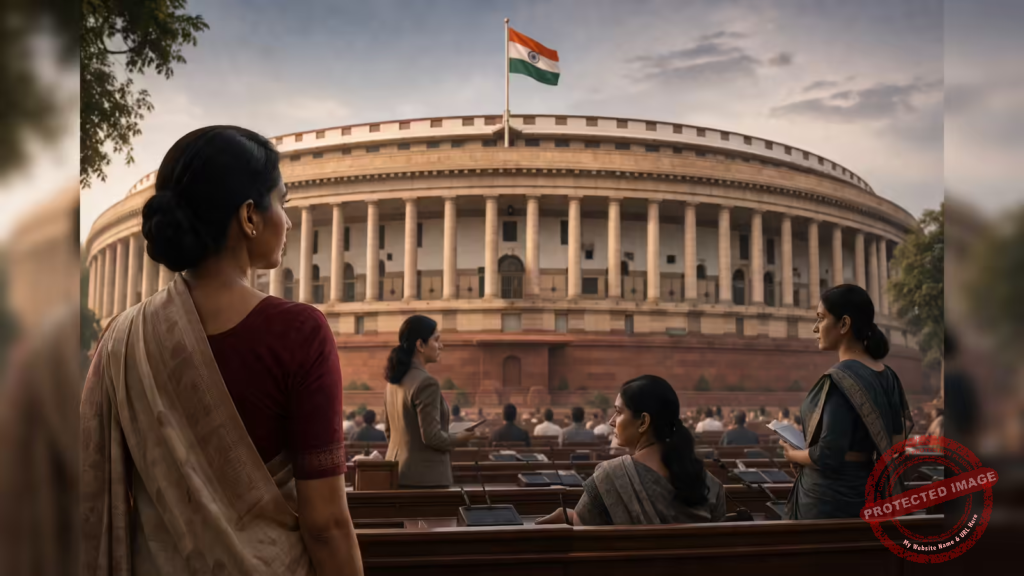
Women’s Reservation
Women’s Reservation Bill proposes 33% seats for women, but implementation depends on delimitation after the 2026 census, which will redraw constituencies and may increase Lok Sabha seats significantly.
New Delhi | April 16, 2026:
A significant shift in India’s political landscape is underway as the government moves ahead with reforms related to women’s reservation and constituency delimitation, both of which are expected to come into effect before the 2029 Lok Sabha elections.
The Women’s Reservation framework, passed earlier through a constitutional amendment, aims to reserve 33 per cent of seats in the Lok Sabha and state assemblies for women. However, its implementation is not immediate. The law clearly states that the reservation will come into force only after a fresh delimitation exercise based on the next census is completed.
Delimitation refers to the process of redrawing the boundaries of parliamentary and assembly constituencies based on population changes to ensure fair representation. This exercise is carried out by the Delimitation Commission of India and is expected to take place after the first census conducted post-2026.
The upcoming delimitation is particularly significant because it may not only redraw boundaries but also increase the total number of Lok Sabha seats. Reports suggest that the current strength of 543 seats could be expanded substantially, allowing room to implement the women’s quota without reducing representation for existing constituencies.
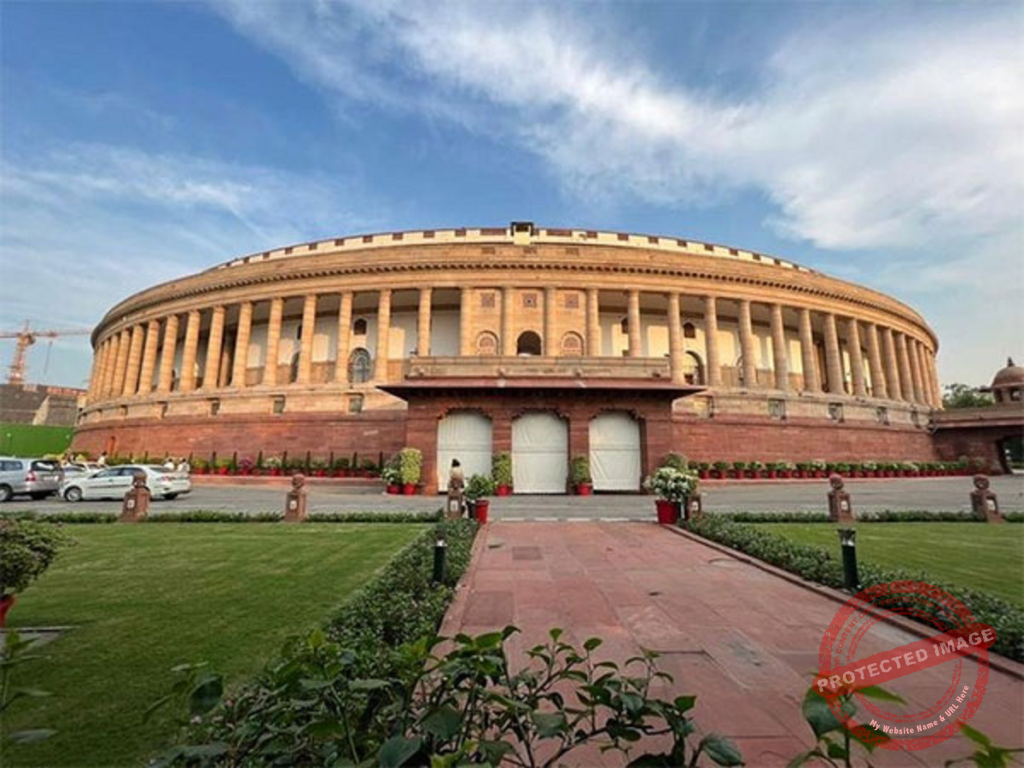
Under the proposed system, instead of redistributing existing seats among states-which has been a major political concern—the total number of seats may be increased. This approach aims to balance representation while ensuring that one-third of seats are reserved for women.
The reforms are expected to have a far-reaching impact. If implemented, the number of women representatives in the Lok Sabha could rise significantly—from current levels of around 15% to nearly one-third.
However, the proposed changes have also triggered political debate. Several opposition leaders and southern states have raised concerns that delimitation based on population could shift political power toward states with higher population growth. At the same time, there are demands for clarity on whether the women’s quota will include sub-reservations for categories such as OBCs.
The Centre has defended the move as a historic step toward gender equality and inclusive governance. The government argues that combining delimitation with reservation ensures a balanced and fair transition, rather than disrupting existing political representation.
Another key aspect is timing. The next census, expected around 2026, will play a crucial role in determining how constituencies are redrawn. Only after this process is completed will the reservation for women be implemented, making the 2029 general elections the likely first instance where the new system comes into effect.
Experts believe that the combined impact of delimitation and women’s reservation could reshape electoral politics, alter regional power dynamics, and increase diversity in legislative bodies. It may also influence coalition politics and policymaking in the coming decades.
As Parliament debates these reforms, all eyes are on how the government addresses political concerns while implementing what is being described as one of the most significant electoral changes in recent history.
Follow us On Our Social media Handles :
Instagram
Youtube
Facebook
Twitter
Also Read- Pune