India Builds World’s First OTEC Hybrid Project in Lakshadweep to Produce Drinking Water and Electricity

India ia building a pioneering ocean-based energy project in Lakshadweep will generate clean electricity and drinking water from seawater, aiming to solve energy shortages and water scarcity on island territories.
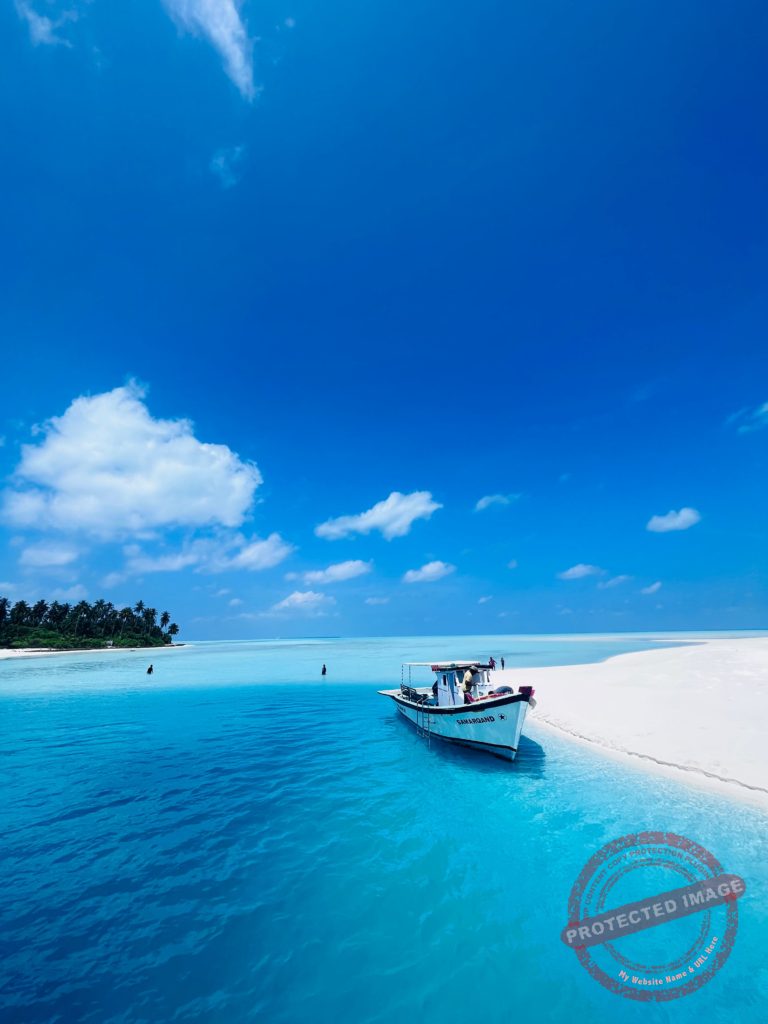
March 16 | Kavaratti :India has initiated construction of a pioneering ocean-based energy project in Kavaratti, the capital of Lakshadweep, which will produce both electricity and drinking water using advanced marine technology. Once completed, the facility is expected to become the world’s first hybrid plant based on Ocean Thermal Energy Conversion (OTEC). Island regions surrounded by seawater often face severe shortages of freshwater and reliable energy supply. To address these challenges, Indian scientists are developing the innovative project that will use the temperature difference between warm surface seawater and cold deep-sea water to generate electricity and desalinated drinking water. The project is being implemented by the National Institute of Ocean Technology under the Ministry of Earth Sciences. Union Minister Jitendra Singh described the initiative as a major step toward securing future energy needs while promoting sustainable technologies for island communities.
The OTEC system works by drawing warm seawater from the ocean surface and extremely cold water from deep beneath the sea. The warm water is converted into vapor in a vacuum chamber, which drives turbines to generate electricity. The vapor is then cooled using the cold deep-sea water, producing fresh drinking water through condensation. One of the most complex components of the project involves installing a pipeline nearly 3.8 kilometres long to draw cold water from around 1,000 metres below the sea surface. Engineers are currently installing a high-density polyethylene pipeline with a diameter of about 900 millimetres on the seabed near the Kavaratti lagoon.

The plant is expected to generate around 65 megawatts of electricity, far exceeding Lakshadweep’s current daily demand of roughly 10 to 12 megawatts. Officials say the surplus power could eventually support other islands in the region. In addition, the facility will produce nearly one lakh litres of purified drinking water every day without relying on diesel or external electricity sources. At present, many islands in Lakshadweep depend on diesel generators to operate desalination plants, making the new project a cleaner and more sustainable alternative
Follow us On Our Social media Handles :
Instagram
Youtube
Facebook
Twitter
Also Read- Pune