Elon Musk Unveils ‘Terafab’, Plans World’s Most Advanced AI Chip Factory
Elon Musk has announced Terafab, a massive AI chip manufacturing project by Tesla and SpaceX, aiming to revolutionize semiconductor production and meet future global demand for artificial intelligence computing.
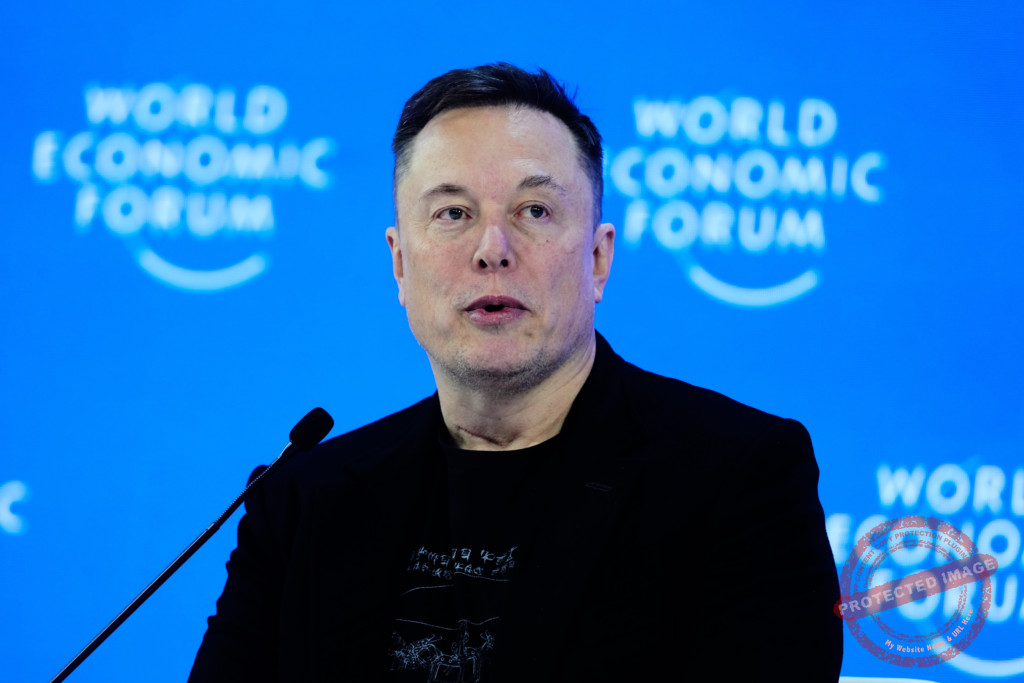
13 June 2026 | Austin In a bold move to address the growing global demand for artificial intelligence computing, Elon Musk has unveiled “Terafab,” an ambitious semiconductor manufacturing project that aims to redefine chip production at an unprecedented scale.
The facility, a joint venture between Tesla and SpaceX, will be developed in Austin, Texas, and is being described by Musk as the “most epic chip-building exercise in history.” The project is designed to bring the entire chip manufacturing lifecycle under one roof, including design, testing, memory production, packaging, and fabrication an approach rarely seen in the semiconductor industry.
Terafab aims to produce more than one terawatt of computing power annually, a scale that far exceeds current global chip production capabilities. The initiative is driven by Musk’s belief that existing semiconductor manufacturers will not be able to meet the future demands of AI, robotics, and space-based computing systems.
The project will focus on developing two types of chips one for terrestrial applications such as Tesla’s autonomous vehicles and humanoid robots, and another tailored for space-based data centers and satellite systems. This aligns with Musk’s broader vision of expanding AI infrastructure beyond Earth.
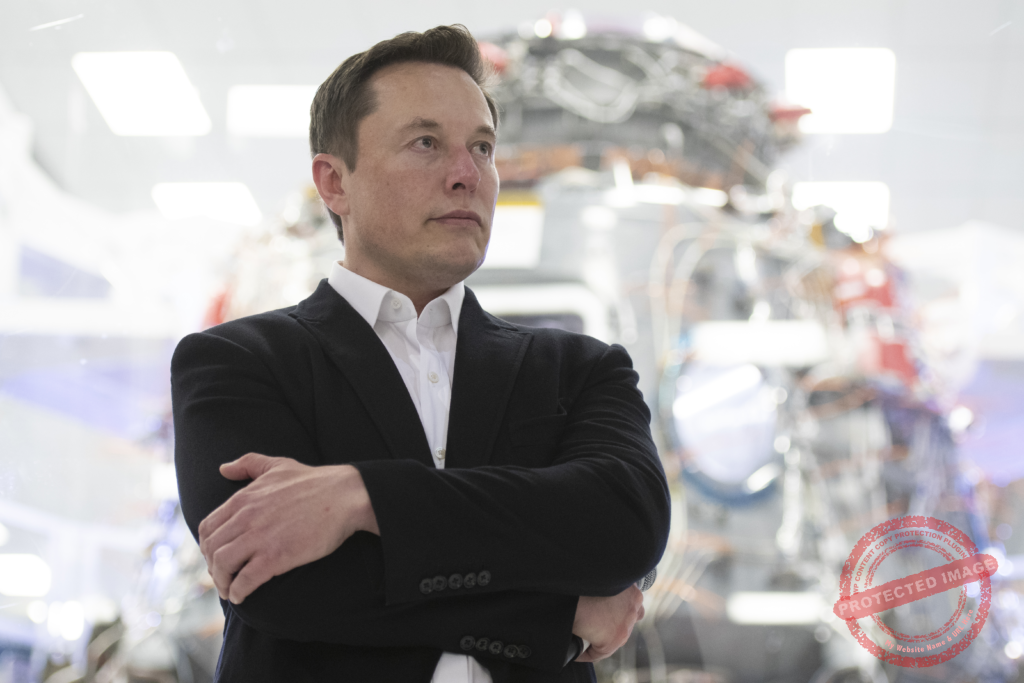
Industry experts view Terafab as a significant step toward vertical integration, allowing Musk’s companies to reduce reliance on external suppliers and gain greater control over critical technologies. However, the project is expected to face major challenges, including high costs, technical complexity, and execution risks. Despite these hurdles, Terafab underscores Musk’s long-term ambition to scale artificial intelligence capabilities dramatically and build infrastructure that could support futuristic technologies, including space-based computing networks.
Follow us On Our Social media Handles :
Instagram
Youtube
Facebook
Twitter
Also Read- Pune