Hormuz Strait Crisis Threatens Global Food Security, Warns WTO
Crisis Threatens Global Food Security
The near-closure of the strategic Strait of Hormuz has disrupted international fertiliser supply chains, raising fears of food shortages and inflation worldwide. WTO officials caution that prolonged conflict could hit next year’s crop output, impacting major fertiliser-dependent nations.
Washington | 26 March 2026: The escalating crisis around the Strait of Hormuz has triggered serious concerns over global food security, as disruptions in fertiliser shipments threaten to push up food prices and reduce agricultural production in the coming year, the World Trade Organization (WTO) has warned.
WTO Deputy Director-General Jean-Marie Paugam cautioned that the near-closure of the Strait of Hormuz due to ongoing conflict involving Iran has begun affecting international fertiliser supply routes, creating risks that may not be fully visible immediately but could severely impact future crop cycles.
“The consequences will not only be felt now but will extend to next year’s agricultural output as well,” Paugam said, highlighting that prolonged disruptions could lead to reduced harvests, food shortages and rising inflation in multiple regions.
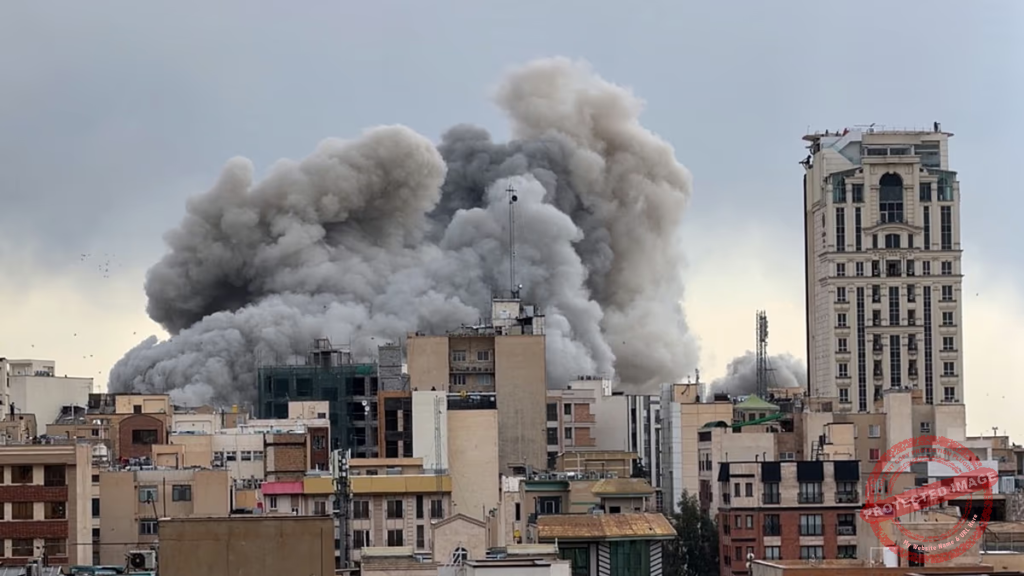
The Strait of Hormuz is regarded as one of the world’s most critical maritime trade corridors. Estimates suggest that nearly one-third of global fertiliser shipments move through this route. However, intensifying military tensions in the Gulf region have effectively choked transport activity, resulting in supply chain breakdowns and uncertainty in global fertiliser markets.
Apart from logistical disruption, the conflict has also affected production capacity. The Gulf region holds major reserves of natural gas, a key raw material used in the manufacturing of nitrogen-based fertilisers such as urea. Due to the instability and security threats, several fertiliser production units in the region have reportedly shut down, leading to a sharp decline in output.
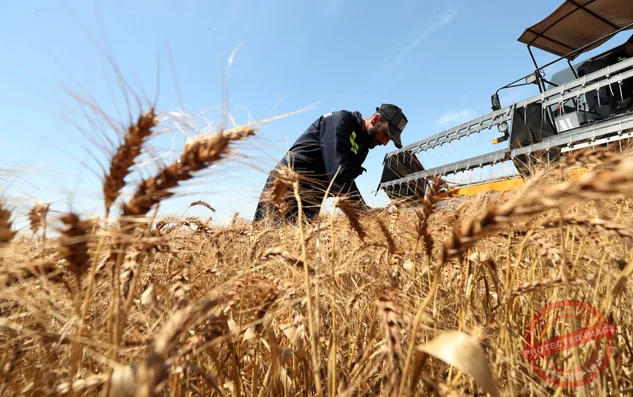
Experts warn that while fertiliser shortages may not yet be fully evident in markets, the situation could deteriorate rapidly if hostilities continue into the sowing season. Reduced fertiliser availability at critical stages of farming could result in lower crop yields, ultimately triggering a spike in global food grain prices.
Import-dependent countries are expected to face the most severe consequences. Nations such as India, Thailand and Brazil rely heavily on urea imports, making them vulnerable to price shocks and supply interruptions. WTO officials also flagged that food-importing countries in West and North Africa could face serious difficulties if fertiliser prices surge and agricultural productivity falls.
The WTO also expressed concern over the possibility of panic-driven stockpiling by governments and private traders. Drawing parallels with the COVID-19 period, officials warned that hoarding could worsen shortages and inflate prices further, increasing pressure on low-income populations.
Meanwhile, tensions in the Middle East continued to rise sharply. Iranian state-linked sources claimed that Iran launched the 80th wave of retaliatory strikes under “Operation True Promise 4” on Wednesday, targeting Israeli and American positions. Videos released by Iran reportedly showed missile launches directed at strategic locations.
Iran’s Islamic Revolutionary Guard Corps (IRGC) claimed that earlier attacks had breached Israel’s air defence systems and struck intelligence and military installations in Tel Aviv, Beersheba and surrounding areas.
Iran also claimed it had carried out missile and drone attacks on US military bases located in Kuwait, Jordan and Bahrain, indicating that the conflict is expanding beyond Israel into the wider Gulf region.
Despite the escalating violence, former US President Donald Trump suggested that a possible agreement between the two sides could still emerge, expressing hope that the situation might eventually stabilise.
However, trade and agricultural experts caution that any prolonged instability in the Hormuz region could create long-term consequences for global commodity markets. With fertiliser availability directly linked to food production, the WTO warning signals a looming crisis that could affect millions, particularly in developing and import-dependent economies.
Follow us On Our Social media Handles :
Instagram
Youtube
Facebook
Twitter
Also Read- Pune