Women Alcohol Consumption in India: NFHS Highlights Cultural Trends in Arunachal Pradesh and Sikkim

Women Alcohol Consumption in India
NFHS report reveals higher alcohol consumption among women in states like Arunachal Pradesh and Sikkim, driven by cultural traditions and local practices.
April 2, 2026: While several Indian states such as Bihar, Gujarat, and Nagaland are known as “dry states” with strict prohibition laws, a contrasting trend has emerged in other parts of the country. According to the latest findings of the National Family Health Survey (NFHS), certain states in India report higher alcohol consumption among women compared to men, highlighting a unique socio-cultural dynamic rather than a purely behavioral issue.
The northeastern state of Arunachal Pradesh stands out prominently, with approximately 24.2% of women reportedly consuming alcohol regularly. In this region, alcohol consumption is deeply embedded in cultural practices and social traditions. One of the most notable examples is ‘Apong,’ a traditional rice beer that holds significant cultural value. Far from being stigmatized, the consumption of Apong is considered a symbol of hospitality and social bonding. Women actively participate in its preparation and consumption, especially during festivals, community gatherings, and family events.

The geographical and cultural context of Arunachal Pradesh also plays a key role in shaping these practices. Many indigenous communities view alcohol not as a vice but as a customary element of daily life. As a result, women’s participation in drinking is normalized and, in some cases, even exceeds that of men. The NFHS data suggests that such patterns are not isolated, with at least seven states in India exhibiting similar trends where women’s alcohol consumption is relatively high due to entrenched cultural norms.
Another significant example is Sikkim, where around 16.2% of women consume alcohol. A distinctive feature of this state is the widespread tradition of home-brewing. Many households prepare local alcoholic beverages, the most popular being ‘Chhang,’ a fermented drink made from grains. This practice is not only common but also socially respected, forming an integral part of religious ceremonies, festivals, and everyday life.
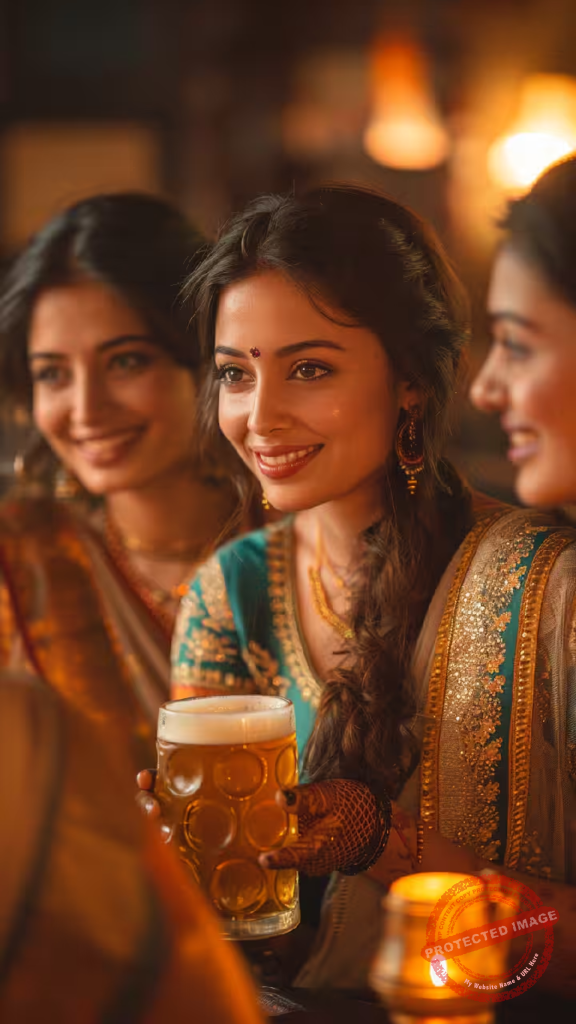
In Sikkim, alcohol consumption is viewed through a cultural lens rather than a moral or health-centric one. Women’s involvement in both the production and consumption of traditional drinks reflects a long-standing heritage. The normalization of such practices has contributed to a perception where alcohol is associated with tradition and community identity rather than addiction.
These findings highlight the importance of understanding regional diversity in India when interpreting public health data. The higher prevalence of alcohol consumption among women in these states does not necessarily indicate rising dependency but rather reflects localized customs and socio-cultural acceptance. However, it also underscores the need for nuanced health policies that balance cultural sensitivity with awareness about the potential health impacts of alcohol consumption.
As India continues to evolve socially and economically, such regional patterns offer valuable insights into how tradition and modernity intersect. The NFHS report serves as a reminder that public health narratives must consider cultural contexts to ensure accurate interpretation and effective policymaking.
Follow us On Our Social media Handles :
Instagram
Youtube
Facebook
Twitter
Also Read- Pune