No Refund for Last-Minute Train Ticket Cancellations Under New Railway Rules
No Refund for Last-Minute
Indian Railways has tightened ticket cancellation norms, eliminating refunds for last-minute cancellations and revising deduction slabs to improve seat utilisation and curb misuse of bookings.
Pune | April 2 2026: In a major impacting millions of rail passengers, Indian Railways has implemented stricter ticket cancellation and refund rules, under which no refund will be granted for last-minute cancellations made shortly before departure.
Under the revised policy, passengers cancelling confirmed tickets within eight hours of the train’s scheduled departure will not receive any refund, marking a significant shift from earlier, more flexible norms.
The move is part of a broader reform aimed at reducing misuse of the booking system, particularly by agents and touts who often block seats and cancel them at the last moment. Officials say the new system is designed to ensure better seat availability for genuine passengers and minimise vacant berths caused by late cancellations.
The revised cancellation structure introduces a tiered penalty system based on how early a ticket is cancelled. Passengers cancelling tickets more than 72 hours before departure will receive the highest refund, subject to a nominal cancellation charge. However, cancellations made between 72 hours and 24 hours before departure will attract a 25% deduction, while those made between 24 hours and 8 hours before departure will result in a 50% deduction of the ticket fare.
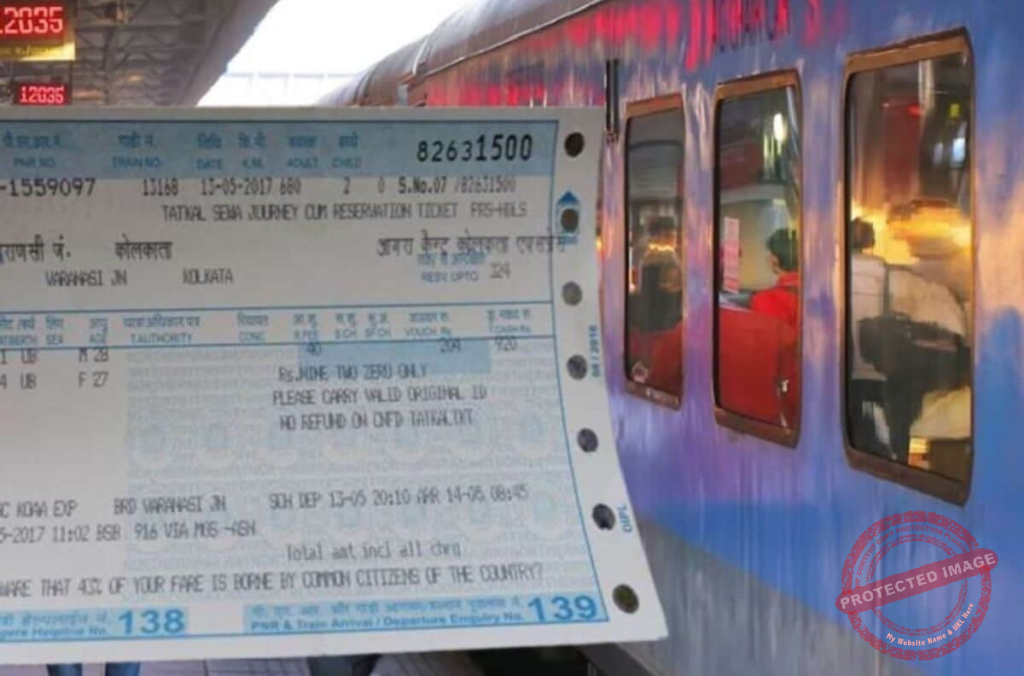
The most stringent provision applies to last-minute cancellations, where no refund is permitted within the final eight-hour window, effectively closing the refund option for late changes in travel plans.
These changes are being rolled out in phases from April 1 to mid-April 2026 and apply to confirmed tickets across categories. The revised norms also affect high-demand segments such as RAC (Reservation Against Cancellation) and Tatkal bookings, where refund conditions have been tightened further.
Railway authorities have justified the decision by citing patterns of speculative bookings and bulk reservations that distort availability. By extending the “no-refund window” and increasing penalties, the system aims to discourage non-serious bookings and improve operational efficiency.
However, the changes have drawn mixed reactions from passengers. While authorities argue that the new rules will benefit waitlisted travellers by freeing up seats earlier, many commuters-especially those with unpredictable schedules—have expressed concerns over reduced flexibility and higher financial risk.
Experts note that the revised policy places greater responsibility on passengers to plan journeys in advance, as last-minute cancellations will now result in complete financial loss. At the same time, the move is expected to enhance transparency and streamline the reservation system.
Overall, the updated rules mark a shift towards stricter enforcement and efficiency-driven reforms in railway ticketing, with a clear focus on discouraging misuse while improving seat utilisation across the network.
Follow us On Our Social media Handles :
Instagram
Youtube
Facebook
Twitter
Also Read- Pune