Air India Hikes Fuel Surcharge, Airfares Set to Rise Across Domestic and International Routes
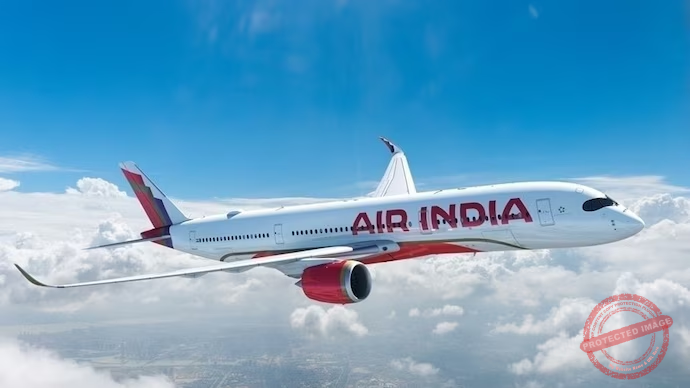
Air India Hikes Fuel Surcharge
Air India has increased fuel surcharges due to rising jet fuel prices, making air travel costlier on domestic and international routes, with revised fares effective from April 8, 2026.
Mumbai | 10 April, 2026: Air travel is set to become more expensive as Air India has announced an increase in fuel surcharges across its network, citing a sharp rise in global jet fuel prices. The revised charges came into effect from midnight on April 8, 2026, and will impact both domestic and international passengers.
The airline confirmed that the surcharge revision applies not only to its mainline operations but also to flights operated by Air India Express. The move is expected to push ticket prices higher across several routes, particularly those connecting key international destinations such as Bangladesh, Japan, Hong Kong, and South Korea.
According to the airline, the decision comes in response to a steep surge in aviation turbine fuel (ATF) costs. Data indicates that the average global price of jet fuel nearly doubled within a short span, rising from ₹99.40 per barrel at the end of February to ₹195.19 per barrel for the week ending March 27, 2026. This significant jump has put considerable financial pressure on airline operations.
Industry experts note that the increase in fuel costs is not solely driven by crude oil prices but also by higher refining margins, which have further inflated overall fuel expenses. Aviation fuel remains the single largest cost component for airlines, accounting for approximately 30% to 40% of total operating expenses.
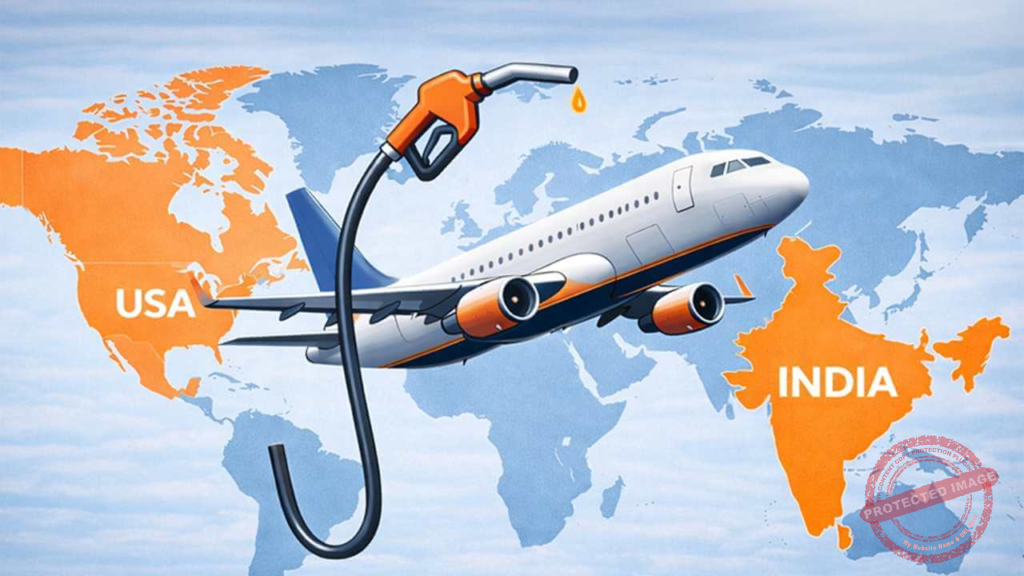
In an official statement, the airline emphasized that the revised surcharge does not fully offset the increased fuel burden. “The additional charge only partially compensates for the rising fuel costs, and the airline continues to absorb a portion of the expense,” the company stated.
The revised domestic fuel surcharge structure is based on distance slabs. Passengers traveling up to 500 km will now pay an additional ₹299, while those flying between 501 and 1,000 km will incur ₹399. For distances between 1,001 and 1,500 km, the surcharge is set at ₹549. यात्रेकरू flying between 1,501 and 2,000 km will be charged ₹749, and routes exceeding 2,000 km will attract a surcharge of ₹899.
The impact is expected to be felt widely, as rising airfares could affect travel demand, especially among price-sensitive passengers. Travel industry stakeholders believe that if fuel prices remain volatile, airlines may be forced to implement further fare adjustments in the coming months.
Globally, airlines are grappling with similar challenges, with many revising ticket prices and even scaling back financial forecasts due to persistent cost pressures. The current trend underscores the vulnerability of the aviation sector to fluctuations in energy markets.
For passengers, the hike translates into higher travel costs, particularly during peak travel seasons. While airlines attempt to balance operational sustainability with affordability, the rising fuel prices continue to pose a significant challenge for the industry.
Follow us On Our Social media Handles :
Instagram
Youtube
Facebook
Twitter
Also Read- Pune