India Plans Shift to High-Ethanol Fuels, E-85 and E-100 Vehicles Likely Soon
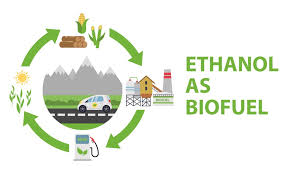
Ethanol
The Centre has proposed major changes in fuel policy to reduce dependence on imported crude oil. New fuels like E-85 and E-100 may enter the market, boosting ethanol-based mobility.
April 30, 2026 | New Delhi: In a significant move aimed at reducing India’s dependence on imported fossil fuels, the central government has proposed a major overhaul in the country’s vehicle fuel policy, paving the way for the introduction of high-ethanol blended fuels such as E-85 and E-100.
The Ministry of Road Transport and Highways has presented a framework for amendments to the Central Motor Vehicle Rules (CMVR), which will create the necessary regulatory and legal environment for vehicles compatible with advanced ethanol-based fuels. At present, E-20 fuel is available in India, but the government now plans to expand ethanol blending levels beyond this benchmark.
Under the proposal, E-85 fuel will contain nearly 85% ethanol mixed with petrol, while E-100 will be close to pure ethanol. The move is expected to strengthen India’s biofuel mission and promote the wider adoption of flex-fuel vehicles designed or modified to operate on multiple fuel blends.
The government has highlighted that the Ethanol Blended Petrol (EBP) programme has already delivered major economic benefits. According to official estimates, ethanol blending has helped India save around 4.5 crore barrels of crude oil annually and has resulted in foreign exchange savings of nearly ₹1.65 lakh crore so far. Currently, India spends around ₹22 lakh crore annually on crude oil imports, making alternative fuels a key national priority.
However, the transition may impact older vehicles. As noted in NITI Aayog’s roadmap, vehicles originally designed for E-10 fuel but currently running on E-20 may experience a reduction in mileage of about 1 to 2% per kilometre, particularly vehicles manufactured between 2012 and March 2023. Many vehicles produced during this period were designed primarily for lower ethanol blends. From April 2023 onwards, manufacturers began producing vehicles compatible with E-20 fuel, and vehicles sold from April 2025 are expected to be fully E-20 compliant.
With global crude supply disruptions and rising geopolitical tensions, including instability in West Asia, the push for ethanol-based fuels is being seen as a strategic step towards energy security and reduced import dependency.
Follow us On Our Social media Handles :
Instagram
Youtube
Facebook
Twitter
Also Read- Pune