Extensive Wildlife Census Recorded Across Sahyadri Tiger Reserve and Local Sanctuaries During Buddha Purnima

wildlife
A comprehensive ‘Nature Experience’ census conducted across Sahyadri Tiger Reserve and two major sanctuaries has successfully documented 1,556 diverse wildlife species, showcasing the region’s rich and thriving biological diversity
Varnawati | May 12, 2026: The Sahyadri Tiger Reserve, along with Radhanagari and Sagareshwar Wildlife Sanctuaries, recently concluded its annual “Nisarganubhav” wildlife census with overwhelming participation. Conducted on the night of the Buddha Purnima full moon, the initiative leveraged high visibility to monitor waterholes, resulting in the documentation of 1,556 mammals, birds, and reptiles. Under the guidance of Field Director Tushar Chavan, the program involved 175 forest personnel and 228 nature enthusiasts stationed across 134 observation pits and machans to track the movement of the local fauna.
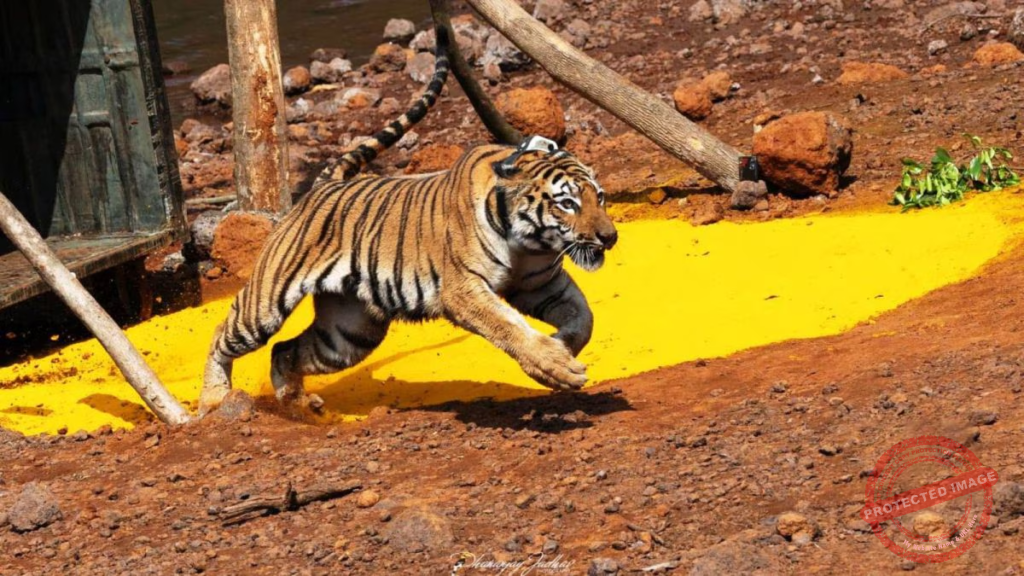
The census data reveals a healthy ecosystem, particularly among herbivores and large mammals. Observations included 247 Indian Gaurs, 240 Sambar deer, 165 Chital, and 71 Wild Buffalo. Predatory presence was also noted, with indirect signs of five leopards and sightings of 21 wild dogs, 32 bears, and one hyena. Unique sightings of smaller mammals such as 23 Malabar Giant Squirrels (Shekru), 18 porcupines, and 4 mouse deer (Pisori) highlight the specialized habitat of the Western Ghats. The count also included several smaller carnivores like civets, jungle cats, and mongooses, indicating a balanced food chain within the protected areas.
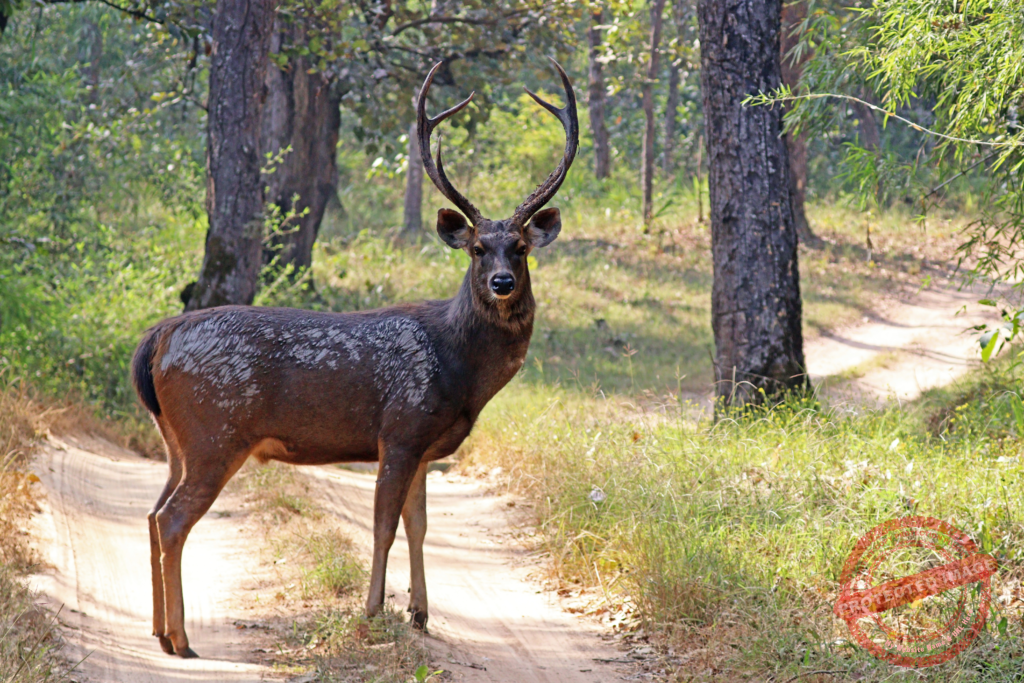
Avian and reptilian diversity was equally impressive. Birdwatchers recorded 108 jungle fowls, 68 peacocks, and rare sightings of Great Hornbills and Malabar Whistling Thrushes. The reptilian tally included pythons, cobras, and Russell’s vipers, alongside 10 monitor lizards. Furthermore, participants identified nearly 100 species of butterflies, adding to the census’s ecological value. Forest officials emphasized that this data is crucial for habitat management and anti-poaching strategies, providing a vital snapshot of wildlife health. This annual exercise continues to bridge the gap between forest administration and citizens, fostering a deeper commitment to conservation.
Follow us On Our Social media Handles :
Instagram
Youtube
Facebook
Twitter
Also Read- Pune