President Trump Signs Executive Order Mandating Federal Oversight for Advanced AI Models
trump
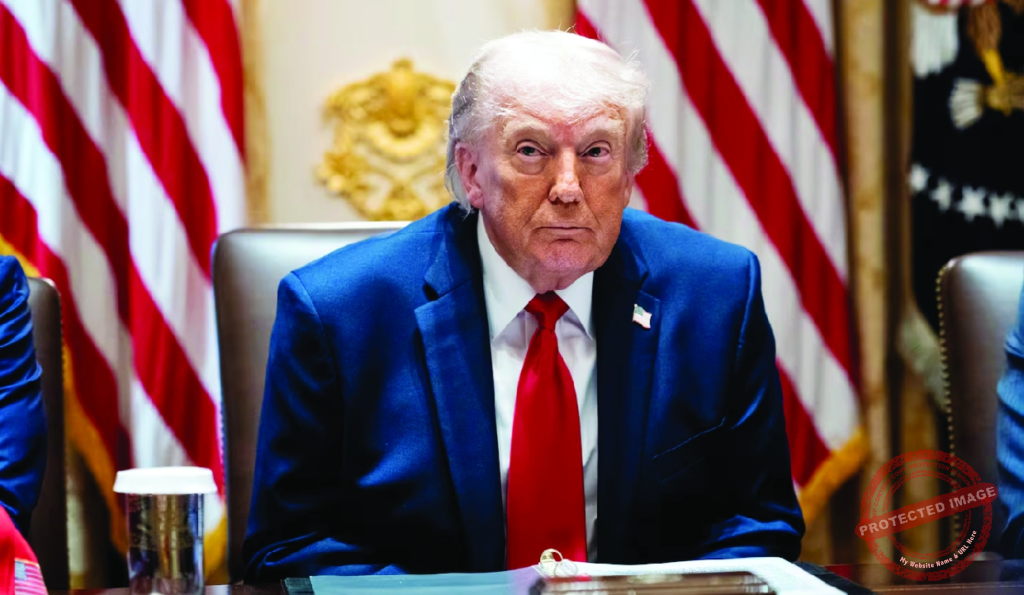
President Trump has signed an executive order requiring developers to provide the federal government access to powerful AI models for security reviews before these technologies are released to the public.
Washington: June 4, 2026
In a significant move aimed at balancing rapid technological growth with national security, President Donald Trump has formalized an executive order requiring artificial intelligence companies to grant federal agencies access to their most advanced models prior to public deployment. The policy mandates a 30-day window during which federal authorities can evaluate powerful AI systems for potential risks, ensuring that national infrastructure remains protected against emerging digital threats.
The directive follows intense debate regarding the safety of high-capacity models, specifically those capable of identifying systemic vulnerabilities in government networks, financial platforms, and critical utility sectors. By creating a collaborative bridge between the government and industry leaders—such as Google, OpenAI, and Anthropic—the administration seeks to mitigate risks before they manifest in real-world scenarios.
To facilitate this oversight, the government is establishing a specialized cybersecurity clearinghouse. This entity will coordinate efforts between the Treasury, the National Security Agency, and the Cybersecurity and Infrastructure Security Agency to proactively scan for and address software weaknesses.
This executive action arrives after a period of intense internal deliberation within the administration. Advisor David Sacks had previously voiced concerns that aggressive regulation could potentially stifle American innovation and place the country at a disadvantage in the competitive race against international rivals. However, the resulting order represents a middle-ground approach that was negotiated to address security concerns while maintaining a degree of flexibility for developers.
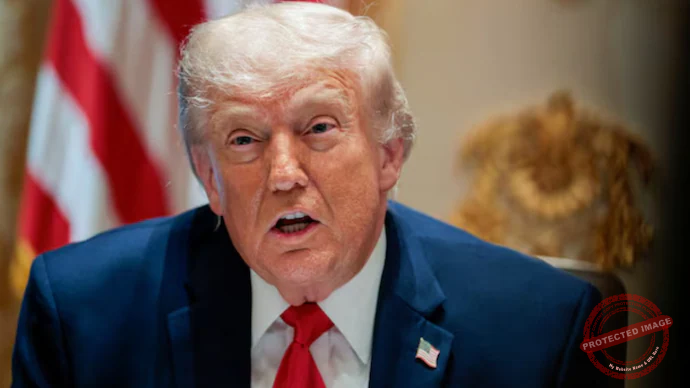
While industry representatives have signaled a willingness to cooperate with the federal framework, describing it as a necessary step for national stability, advocates for AI safety argue that voluntary measures must eventually evolve into stronger, more enforceable standards.
As the United States moves forward with this experimental governance model, the primary challenge will lie in the government’s ability to maintain pace with the lightning-fast trajectory of generative AI development while ensuring that national security remains a top priority.
Social media Handles :
Instagram
Youtube
Facebook
Twitter
Also Read- Pune