Trump’s Approval Rating Remains Near Historic Low as Iran Conflict Weighs on Public Opinion
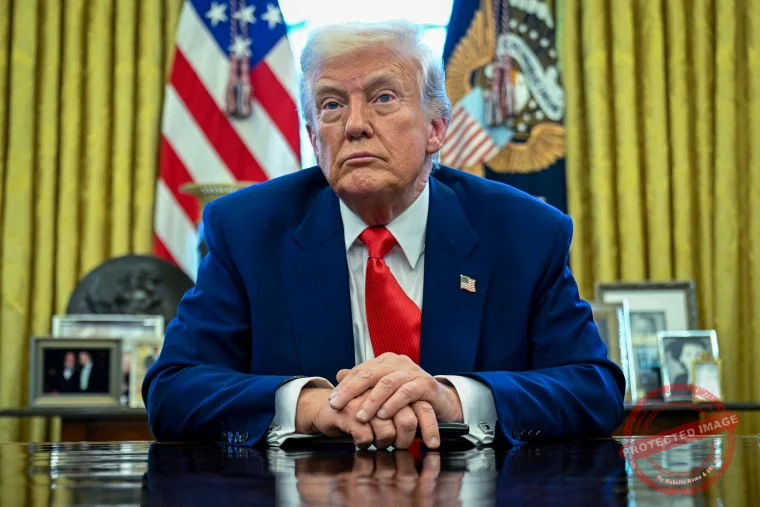
Trump
A new national survey indicates President Donald Trump’s approval rating remains near record lows, with concerns over the Iran conflict and rising living costs continuing to influence voter sentiment.
June 9, 2026 | Washington, D.C.
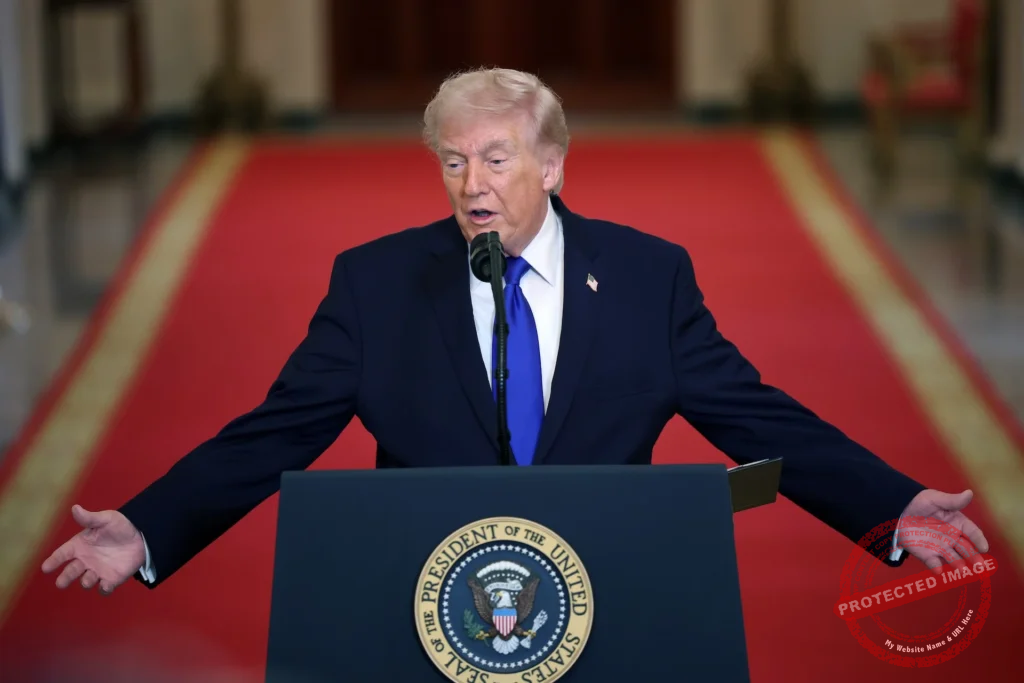
President Donald Trump’s approval rating has remained close to the lowest levels of his political career, according to newly released polling data that suggests growing public concern over the economic and political consequences of the ongoing conflict involving Iran.
The survey found that support for the president has largely stagnated in recent weeks, with approval figures hovering near historic lows recorded during both his current and previous terms in office. Analysts point to voter unease over rising fuel costs, inflation concerns, and uncertainty surrounding the prolonged geopolitical tensions in the Middle East as major factors affecting public sentiment.
The conflict has become a central issue in domestic political debate, with many Americans expressing concern about its economic impact. Increased volatility in global energy markets and disruptions to oil supplies have fueled worries about household expenses, particularly gasoline prices and the broader cost of living. Polling data indicates that a significant share of voters expect fuel prices to remain elevated or increase further in the coming months.
The survey also highlighted dissatisfaction with the administration’s handling of economic issues. Public approval related to living costs and inflation remains notably weak, suggesting that economic concerns continue to overshadow other policy achievements. Political strategists believe these challenges could influence voter behavior ahead of upcoming congressional elections.
Meanwhile, public opinion regarding the Iran conflict remains divided. While some Americans support a strong foreign policy response, others question whether the costs associated with the military campaign outweigh its strategic benefits. The issue has generated debate within both major political parties and contributed to broader discussions about U.S. involvement overseas.
With the administration facing continued scrutiny over economic conditions and foreign policy decisions, political observers say future developments in the Iran situation and energy markets could play a significant role in shaping public attitudes. For now, polling trends suggest that the president faces a challenging environment as concerns over affordability and international tensions continue to dominate national discourse.
Social media Handles :
Instagram
Youtube
Facebook
Twitter
Also Read- Pune