Anthropic Introduces ‘Dreaming’ Feature for Claude in Push Toward Self-Improving AI Agents
Anthropic
Anthropic has unveiled a new “Dreams” feature for Claude, allowing AI agents to review past tasks, identify patterns and improve future performance with minimal human intervention.
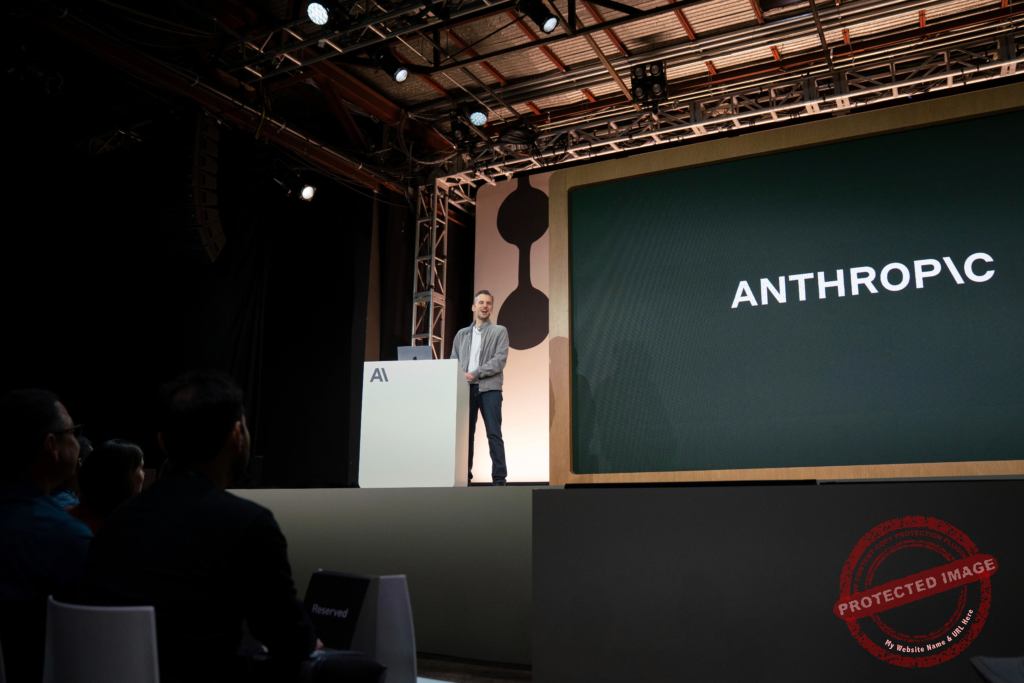
San Francisco | May 7, 2026: Artificial intelligence company Anthropic has introduced a new feature called “Dreams” for its Claude AI platform, marking a major step toward developing self-improving AI agents capable of learning from previous interactions. The announcement was made during the company’s “Code with Claude” developer conference held in San Francisco.
According to Anthropic, the Dreams system enables Claude-managed agents to revisit earlier sessions, analyse completed tasks, identify recurring behavioural patterns and update contextual memory files between interactions. The company said the feature is designed to help AI systems improve performance over time without direct retraining from developers.
The technology aims to enhance long-running workflows, particularly in coding, enterprise automation and complex multi-step operations where AI agents are increasingly being deployed. Anthropic described the feature as an experimental research preview that will initially be available to select developers using Claude Managed Agents.
Industry experts view the launch as part of the intensifying race among leading AI firms to build autonomous “agentic AI” systems capable of independently planning, executing and refining tasks. Anthropic has increasingly positioned Claude as an enterprise-focused AI assistant competing directly with products from OpenAI, Google and other major technology firms.

Anthropic co-founder Jack Clark recently suggested that advanced AI models may eventually become capable of training successor systems with limited human supervision, highlighting how quickly the sector is evolving. The company has also expanded Claude’s capabilities in areas such as coding assistance, workplace productivity and enterprise integrations.
However, the introduction of human-like terminology such as “dreaming” has also sparked debate among technology analysts and ethicists. Critics argue that describing AI systems with human cognitive terms may blur the distinction between machine processes and human intelligence, potentially leading users to overestimate AI capabilities.
Follow us On Our Social media Handles :
Instagram
Youtube
Facebook
Twitter
Also Read- Pune