Water crisis intensifies in Maharashtra as 1,600 villages and hamlets rely on tanker supply amid falling reservoir levels
Maharashtra
A severe water shortage has gripped Maharashtra, with over 1,600 villages and hamlets dependent on tanker water supply as reservoir levels continue to decline sharply. Rising temperatures and depleting storage in dams have worsened the situation across multiple districts, raising concerns of further escalation in the coming weeks.
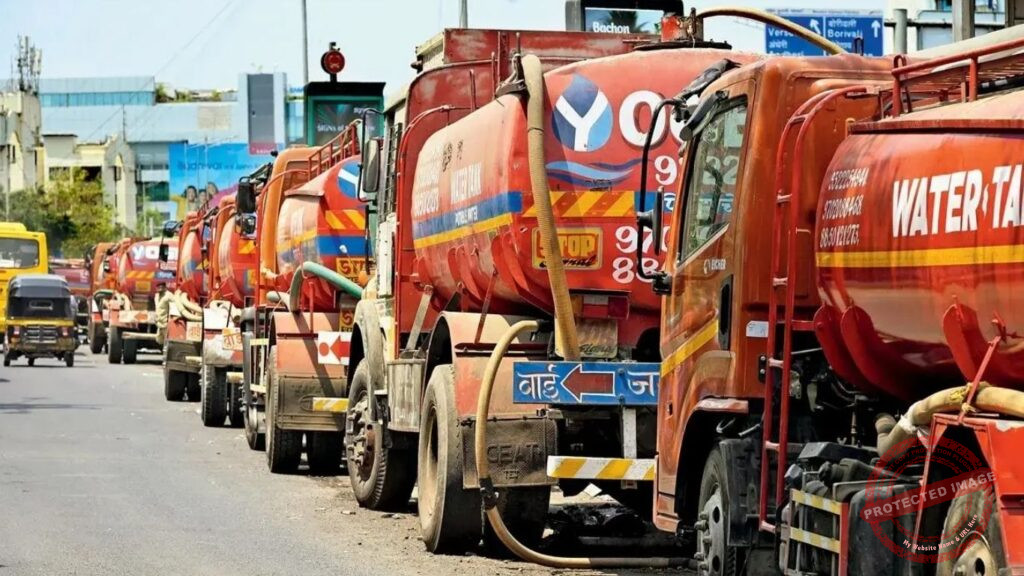
Mumbai | 07 May 2026: Around 411 villages and 1,194 hamlets across 12 districts are currently receiving drinking water through tankers. Official data shows that 466 tankers are operating in these regions, including government and private vehicles, marking a sharp rise from 321 tankers in the previous week. The demand has increased rapidly due to intense summer heat conditions and falling groundwater and surface water availability.
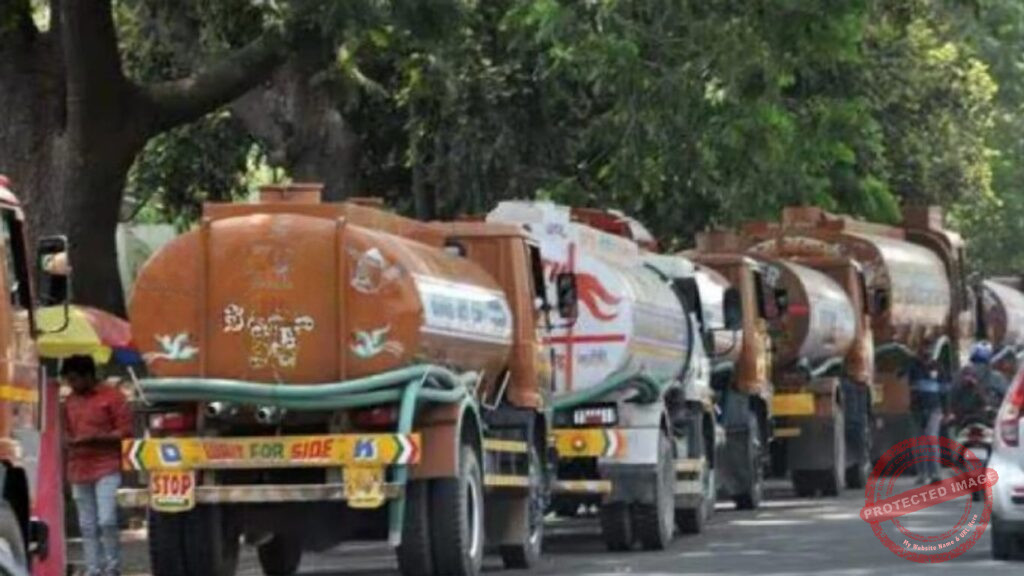
Among districts, Chhatrapati Sambhajinagar is the worst affected with 138 tankers deployed, followed by Nashik with 83 tankers. Other districts such as Raigad, Thane, Pune, Ratnagiri, Palghar, and Satara are also witnessing significant dependence on tanker-based water supply. Authorities have indicated that the number of affected villages may increase further if rainfall remains delayed.
The overall water storage in Maharashtra’s nearly 3,000 reservoirs has dropped to around 37-38 percent. This declining trend has raised concerns over both drinking water availability and agricultural needs. The situation is particularly critical at the Koyna dam in Satara, where water storage has fallen to 25.72 percent. Since the dam is a key source of hydroelectric power generation, the drop has also triggered concerns over electricity production in the state.
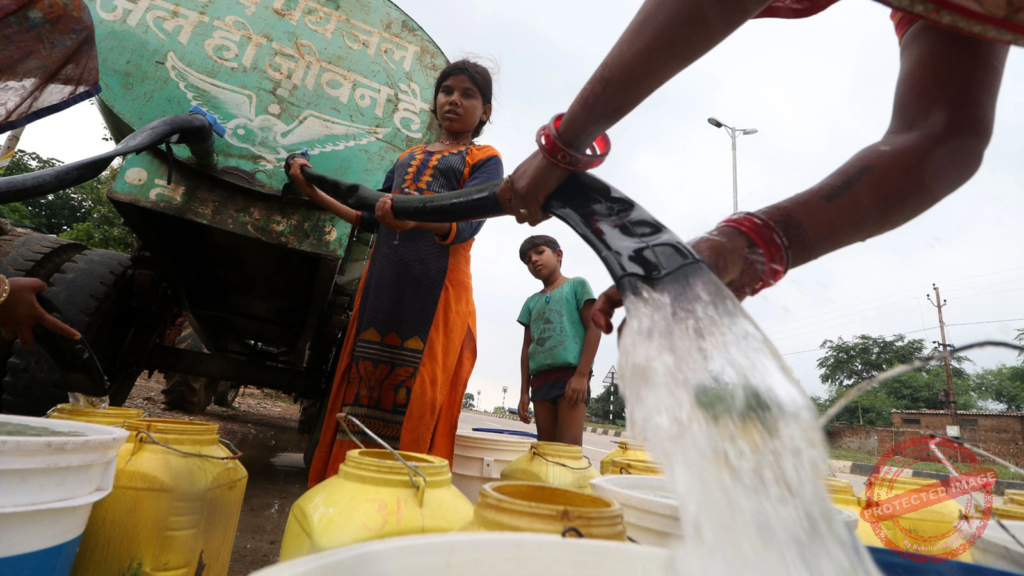
Officials have attributed the crisis to a combination of high summer temperatures and insufficient replenishment of water sources. The sharp increase in tanker deployment within a single week reflects the growing severity of the situation, especially in rural and semi-rural areas.Authorities are closely monitoring water levels and have indicated that emergency supply measures may be expanded if conditions do not improve. The state is expected to face continued pressure on its water resources until monsoon rainfall stabilises the situation.
Follow us On Our Social media Handles :
Instagram
Youtube
Facebook
Twitter
Also Read- Pune