Tuljapur drugs case sparks political clash as Supriya Sule questions BJP; Rana Jagjitsinh Patil hits back
Tuljapur
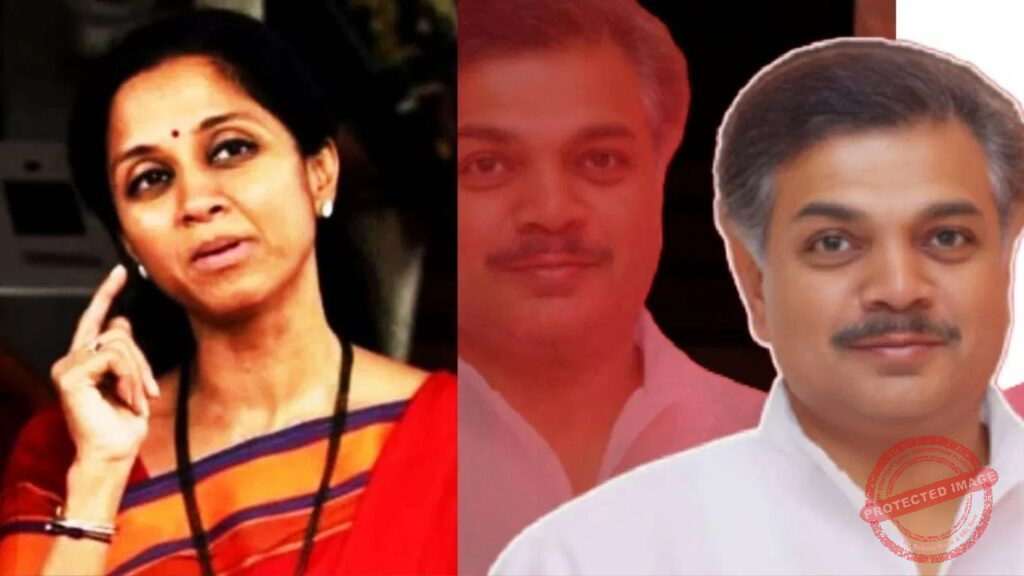
Supriya Sule accused the BJP of welcoming an accused from the Tuljapur drugs case into the party. Rana Jagjitsinh Patil responded with a strong counter, denying wrongdoing and demanding proof.
Tuljapur, Maharashtra | Nov 19, 2025 – 500 to 600 words, no subheadings):
The political atmosphere in Tuljapur has turned increasingly tense after MP Supriya Sule raised questions about the BJP’s decision to induct a man previously arrested in the Tuljapur drugs case. The issue escalated quickly, drawing in senior leaders and triggering sharp exchanges between rival parties.
The controversy began when Santosh Parameshwar, a former municipal council president who was arrested in connection with the drug case earlier this year and later released on bail, joined the BJP in the presence of MLA Rana Jagjitsinh Patil. Sule publicly objected to the move, saying it sent a troubling message that individuals linked to narcotics offences were being given political space. In a letter addressed to the chief minister, she asked whether the party leadership was aware of his background when he was welcomed into the fold.
Her criticism immediately gained traction, with opposition leaders questioning whether moral standards were being compromised for political advantage. Sule argued that Maharashtra cannot combat drug crime effectively if people facing serious allegations are allowed to gain political legitimacy. She said political parties carry a responsibility to avoid giving shelter to those who face such charges, even if they have been granted bail.
Rana Jagjitsinh Patil responded directly, dismissing the allegations as baseless and politically motivated. He said that when the case first came to light, he was the one who informed the police and ensured that an investigation was initiated. According to him, the accused had co-operated with authorities and provided information relevant to the case. He criticised Sule for making accusations without presenting evidence and said her claims amounted to an attempt to paint Tuljapur in a negative light.
The exchange has now expanded into a broader debate on accountability and the ethics of party recruitment. Critics argue that parties should avoid inducting individuals with unresolved criminal charges, especially in cases involving narcotics. Supporters of the BJP counter that an allegation does not equal guilt and that the accused has not yet been convicted. They stress that the legal process must be allowed to run its course.
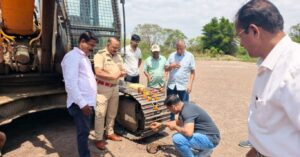
The Tuljapur drugs case had originally gained attention after police seized mephedrone at a checkpost on the Solapur-Tuljapur route earlier this year. Several people were arrested, and the investigation spread across districts to identify the network behind the trafficking. With the re-entry of one of the accused figures into the political spotlight, the issue has resurfaced ahead of local elections.
The BJP has maintained that it remains committed to co-operating with the police and has denied any intention to shield anyone involved in illegal activities. Meanwhile, leaders from Sule’s party have said they plan to raise the matter at the state and national level, arguing that the incident reflects a worrying trend.
Residents of Tuljapur say the case has become a talking point in local markets and gatherings, with many expressing frustration that drug-related issues are now deeply entangled with political rivalry. Some worry that the ongoing dispute may overshadow the larger challenge of tackling narcotics in the region.
As the matter continues to evolve, political observers believe the issue may influence public perception ahead of the upcoming elections. The clash between Sule and Patil has highlighted how crime investigations and political narratives often intersect, reshaping debates around integrity, law enforcement and public accountability.